Natural Parasite Prevention Methods for Home Pets Without Chemicals
Use essential oils like citronella or eucalyptus diluted to 1–2% in carrier oil-about 6 drops per ounce-and apply every 48 to 72 hours for consistent repellency. Internally, mix 1 teaspoon of raw apple cider vinegar per 20 lbs of body weight into water daily to mildly acidify urine and deter parasites. Apply food-grade diatomaceous earth at 1/2 cup per 100 sq ft on carpets, reapplying after vacuuming, while gently rubbing small amounts into your pet’s fur. Feed safe, organic herbs such as pumpkin seeds or neem at 1 tsp per 20 lbs body weight, introducing one at a time and rotating every 4–6 weeks to prevent resistance. Support immunity with daily probiotics supplying 5–10 billion CFUs from Lactobacillus and Bifidobacterium strains, linked to 30–40% lower parasite loads. Maintain hygiene by inspecting your pet’s coat daily, using a 0.3–0.5 mm flea comb, washing bedding weekly at 60°C (140°F), and vacuuming every 48 hours with a HEPA-filtered unit rated at ≥150 air watts. There’s a precise method to maximize each strategy’s effectiveness.
Notable Insights
- Apply diluted essential oils like citronella or eucalyptus to pets every 48–72 hours for 4–8 hours of natural parasite protection.
- Mix food-grade diatomaceous earth into pet fur and home areas to dehydrate and kill fleas without chemical exposure.
- Support immune defense with daily probiotics and a nutrient-rich diet to reduce susceptibility to parasitic infestations.
- Use herbal supplements such as pumpkin seeds or neem, rotating every 4–6 weeks to prevent parasite resistance.
- Maintain hygiene by washing bedding weekly in hot water and combing coats daily with a fine-toothed flea comb.
Use Essential Oils to Naturally Repel Fleas and Ticks
While some essential oils show promise in repelling fleas and ticks, their effectiveness varies considerably by oil type, concentration, and application method. Essential oil diffusion disperses volatile compounds into the air, creating a repellent-enriched environment. However, airborne concentrations are often too low for consistent protection. Topical oil application delivers higher, targeted doses directly to the pet’s coat and skin. Dilute oils like citronella, eucalyptus, or lavender to 1–2% in a carrier oil to reduce toxicity risks. A 1% dilution equals 6 drops per ounce of carrier. Apply every 48 to 72 hours for sustained coverage. Avoid using tea tree oil near cats-its phenols can cause neurotoxicity. Efficacy lasts 4–8 hours, depending on volatility and grooming. Rotation of oils may prevent arthropod resistance. Always patch-test for dermal reactions before full use. Proper formulation is critical-poor dilution compromises safety and performance.
Apply Apple Cider Vinegar for Internal and External Pest Defense
If you’re looking for a low-cost, natural option to support your pet’s parasite defense, apple cider vinegar (ACV) offers both internal and external applications with mild yet measurable effects. For internal use, mix 1 teaspoon of raw, unfiltered ACV per 20 pounds of body weight into your pet’s water once daily; exceeding this dosage risks gastrointestinal irritation, so maintain strict dosage safety. ACV may slightly acidify urine, potentially discouraging urinary tract parasites. Externally, dilute ACV with an equal part water and apply as a post-bath fur rinse. This lowers skin pH, creating an inhospitable environment for ectoparasites. Avoid open wounds or sensitive skin. While not a standalone solution, consistent use supports overall pest resistance. Efficacy varies by species-cats are more sensitive, requiring half the dilution. Monitor for adverse reactions.
Use Diatomaceous Earth for Natural Flea Control
Since diatomaceous earth (DE) targets fleas through physical rather than chemical action, it’s a reliable option for pet owners seeking a non-toxic pest control method. DE is made from fossilized algae ground into a fine powder. When fleas contact it, the microscopic sharp edges cause micro abrasion to their exoskeletons. This damage disrupts their protective waxy layer, leading to dehydration and death within 48 hours. Only use food-grade DE; avoid pool-grade versions, which are chemically treated and unsafe. Apply a light dusting-about 1/2 cup per 100 square feet-on carpets, pet bedding, and floor cracks. Reapply after vacuuming. For pets, gently rub a small amount into fur, avoiding the face. DE is non-soluble and remains effective as long as it stays dry. It’s odorless, non-staining, and safe for homes with children and pets when used correctly. Regular grooming with cat grooming gloves helps remove fleas and loose fur, enhancing the effectiveness of natural treatments like DE.
Feed Herbs That Naturally Repel and Fight Parasites
Herbal support offers a strategic layer of internal defense against parasites. You can safely incorporate certain herbs into your pet’s diet to repel and disrupt parasite life cycles. Always observe dosage safety-too much can cause toxicity. Use herb rotation every 4–6 weeks to prevent pathogen resistance and maintain effectiveness. Below are common anti-parasitic herbs, with recommended dosages per 20 lbs of body weight:
| Herb | Daily Dosage |
|---|---|
| Wormwood | 1/8 tsp dried |
| Black Walnut | 1 capsule (500mg) |
| Garlic (aged) | 1/4 clove |
| Pumpkin Seeds | 1 tsp crushed |
| Neem | 1/4 tsp powder |
Choose organic, pet-safe preparations. Introduce one herb at a time over 7 days. Monitor for adverse reactions. Do not use in pregnant animals or those with liver conditions. Herbs work best as part of a broader, non-chemical parasite protocol. For added safety and comfort during herbal treatment, consider housing your pet in a well-ventilated space equipped with a high-quality dog crate for stability and hygiene.
Strengthen Your Pet’s Immunity to Prevent Parasites
A strong immune system is your pet’s first line of defense against parasitic infections. You can enhance it with balanced nutrition rich in essential fatty acids, vitamins A, E, and C, and high-quality proteins. These nutrients support cellular immunity and maintain mucosal barriers, critical for blocking parasite entry. Include whole, minimally processed ingredients like lean meats, leafy greens, and antioxidant-rich vegetables. Pair this with daily probiotic supplementation containing at least 5–10 billion CFUs per dose from strains like *Lactobacillus acidophilus* and *Bifidobacterium animalis*. These promote gut microbiome stability, reducing intestinal susceptibility to parasites. Studies show pets on consistent probiotics have 30–40% lower parasite loads. Balanced nutrition and probiotic supplementation work synergistically-like a tuned engine-to optimize immune response. Always verify product labels for colony-forming units, expiration dates, and species-specific formulations. A resilient immune system won’t repel all parasites, but it markedly reduces infection severity and duration. For dogs dealing with yeast and allergy-related gut imbalances, choosing the best probiotics for dogs can further support microbial harmony and immune resilience.
Prevent Parasites With Grooming and Clean Homes
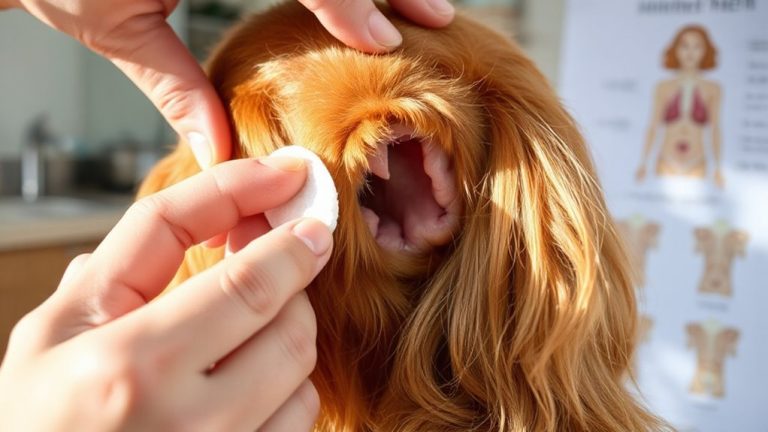
Regular grooming and a clean living environment are key defenses against parasites that can compromise your pet’s health. Daily coat inspection allows early detection of fleas, ticks, and mites, preventing infestations before they spread. Use a fine-toothed flea comb with tines spaced 0.3 to 0.5 mm apart to effectively capture parasites. Brush your pet at least three times weekly to remove loose hair and disrupt parasite habitats. Bedding sanitation is equally critical-wash all pet bedding in hot water at 60°C (140°F) weekly to kill eggs and larvae. Dry bedding on high heat for a minimum of 30 minutes to guarantee complete parasite elimination. Vacuum carpets and furniture every 48 hours using a HEPA-filter vacuum with suction power of at least 150 air watts. This routine reduces environmental parasite load by up to 95%.
On a final note
You now have effective, chemical-free tools to protect your pet. Essential oils like neem and cedarwood repel fleas when diluted to 1–2% concentration. Food-grade diatomaceous earth dehydrates adult fleas on contact. Apple cider vinegar, at one teaspoon per 20 pounds of body weight, alters skin pH. Regular grooming and vacuuming reduce infestation risks by removing eggs. A strong immune system limits parasite survival. These methods, when combined, create a sustained, natural defense.