Identifying and Treating Mange in Cats and Dogs With Common Symptoms
If your pet won’t stop scratching and has patchy hair loss, they may have mange. Mites like *Sarcoptes scabiei* or *Demodex* species cause intense itching, redness, and crusting-often on ears, elbows, and belly. A vet confirms it with a skin scraping examined under a microscope at 10–40x magnification. Treatment includes oral or topical antiparasitics like selamectin, dosed monthly for 2–3 months. Natural remedies don’t kill mites. Proper diagnosis and consistent treatment prevent complications. Learn how prevention strategies notably reduce reinfestation risks.
Notable Insights
- Persistent scratching, hair loss, and red skin on ears, elbows, or abdomen may indicate mange in cats and dogs.
- Mange is diagnosed via skin scraping and microscopic examination to detect mites, eggs, or fecal matter.
- Sarcoptes scabiei and Notoedres cati are common mites causing mange through direct contact or contaminated environments.
- Treat mange with oral or topical antiparasitics like selamectin or ivermectin for two to three months.
- Prevent recurrence by washing bedding, disinfecting items, vacuuming, and using monthly preventatives.
Is It Mange? Signs Your Cat or Dog Is Infested
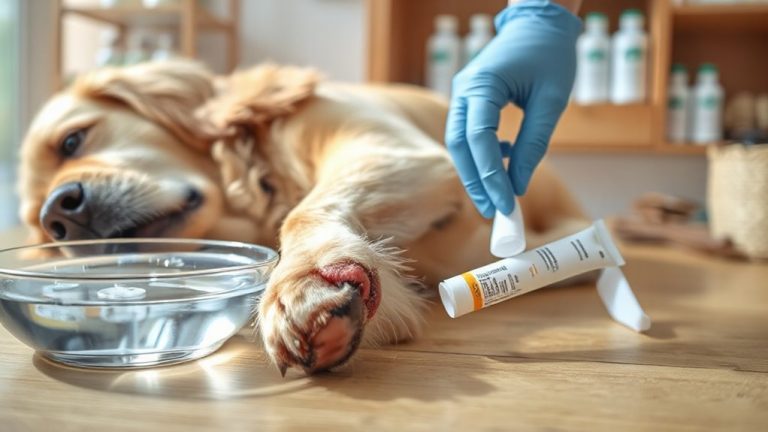
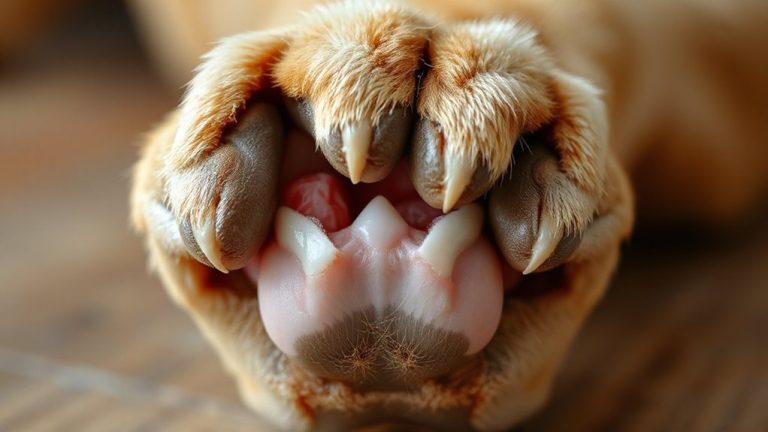
How can you tell if your pet’s relentless scratching points to something more serious than a simple irritation? Persistent scratching, hair loss, and red, inflamed skin may signal mange. Mange is caused by mites like *Sarcoptes scabiei* or *Demodex* species burrowing into the skin. You might mistake early signs for allergies, reinforcing mange myths that delay proper care. Unlike temporary irritations, mange worsens without targeted treatment. Skin thickens, develops crusts, and secondary infections can occur. Home remedies like apple cider vinegar or olive oil lack scientific backing and may exacerbate symptoms. These solutions don’t kill mites or address life cycle stages. Lesions often appear on ears, elbows, and abdomen-areas with thin hair. Accurate identification requires observing symptom duration, pattern, and response to treatments. Immediate veterinary consultation is essential. Don’t rely on anecdotal fixes when parasite-specific intervention is needed.
How Vets Diagnose Mange: Skin Tests and What to Expect
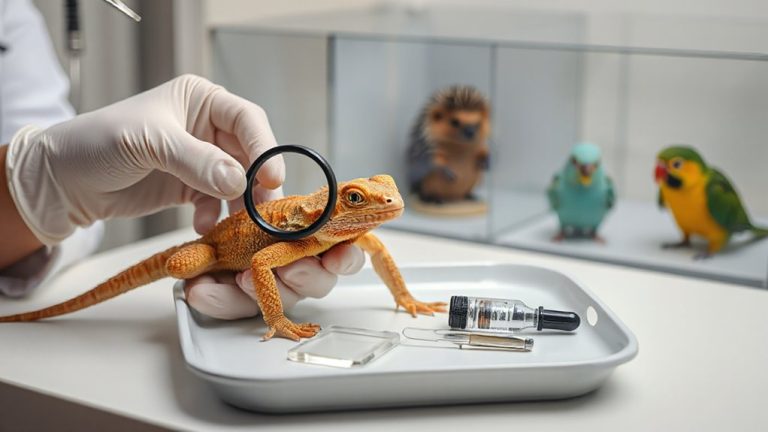
Why does your pet’s skin problem require more than a guess? Mange mites are microscopic, and symptoms overlap with other skin conditions. A proper diagnosis relies on clinical signs and lab confirmation. Your vet will perform a skin scraping from affected areas, collecting debris and cells down to the hair follicle base. This sample undergoes microscopic examination using a 10–40x magnification lens to identify live mites, eggs, or fecal matter.
| Test Step | Tool Used | Purpose |
|---|---|---|
| Skin scraping | Scalpel blade | Collect epidermal material |
| Mounting sample | Clear adhesive tape | Preserve specimen |
| Microscopic exam | Compound microscope | Detect mite species |
| Diagnosis | Visual ID + symptoms | Confirm infestation |
Accurate identification guarantees targeted treatment. Without it, misdiagnosis risks progression.
Proven Treatments for Mange in Cats and Dogs
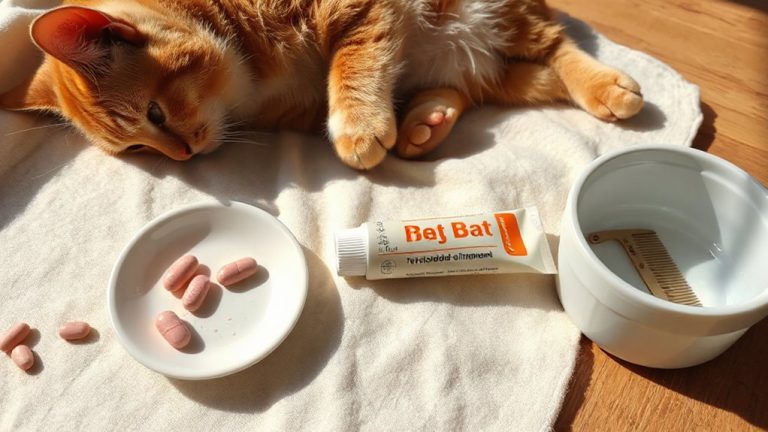
While some skin conditions may respond to general therapies, treating mange effectively requires species-specific antiparasitic drugs that target mites at all life stages. Your vet will likely prescribe oral or topical treatments like selamectin, ivermectin, or moxidectin-medications proven to eliminate mites in both cats and dogs. These treatments disrupt mite nervous systems, causing paralysis and death. Most regimens require monthly dosing for at least two to three months to cover mite life cycles. Though natural remedies like coconut oil or apple cider vinegar may soothe itching, they don’t eradicate mites and shouldn’t replace prescribed therapy. Dietary support, including omega-3 fatty acids and high-quality proteins, strengthens skin barriers and aids healing. Always follow veterinary guidelines-accurate dosing, species-specific use, and compliance are essential. Using the correct product guarantees full mite eradication and prevents treatment resistance.
Mange Causes: The Mites Behind the Itch
Itchiness that won’t quit? You’re likely dealing with mites. Different mite species cause mange in cats and dogs. Sarcoptes scabiei burrows into the skin, triggering intense irritation. Notoedres cati affects cats similarly, while Demodex species live in hair follicles and weaken immune defenses. These microscopic parasites reproduce rapidly, worsening symptoms within days. Transmission routes include direct contact with infected animals, contaminated bedding, or grooming tools. Sarcoptic mange spreads easily between pets and even to humans. Mites survive off-host for up to 36 hours, increasing risk through shared environments. Each mite species targets specific hosts but can cause temporary infestations in others. Eggs hatch in four to six days; the full life cycle completes in two to three weeks. You’ll need accurate identification of the mite species to guide treatment. Know the transmission routes-prevention starts with isolation and hygiene, not just medication.
Stop Mange From Coming Back: Prevention Tips for Pet Owners
Keep your pet free from recurring mange by taking consistent, science-based preventive measures. Environmental hygiene is critical-wash bedding weekly in hot water (at least 130°F) to kill mite eggs and reduce contamination. Vacuum carpets, furniture, and pet areas frequently, and dispose of debris immediately. Disinfect crates, collars, and toys with a 1:32 dilution of bleach solution or veterinary-approved acaricidal spray. Mites can survive off-host for up to 21 days, making thorough cleaning essential. Pair environmental hygiene with regular grooming using medicated shampoos containing 2–4% chlorhexidine or benzoyl peroxide, proven to disrupt mite life cycles. Brush your pet at least twice weekly to monitor skin health and remove debris. Preventative topical treatments like selamectin, applied monthly, reduce infestation risk by over 90%. Consistent application and veterinary checkups guarantee long-term mange prevention.
On a final note
You now recognize the signs of mange and understand how vets confirm it through skin scrapings and microscopic mite identification. Effective treatments include topical selamectin (applied every 30 days) or lime-sulfur dips (twice weekly). Prevent reinfestation by washing bedding at 60°C and isolating affected pets. Mange mites-like Sarcoptes or Notoedres-die within days when properly treated. Follow protocols fully; incomplete treatment risks relapse.