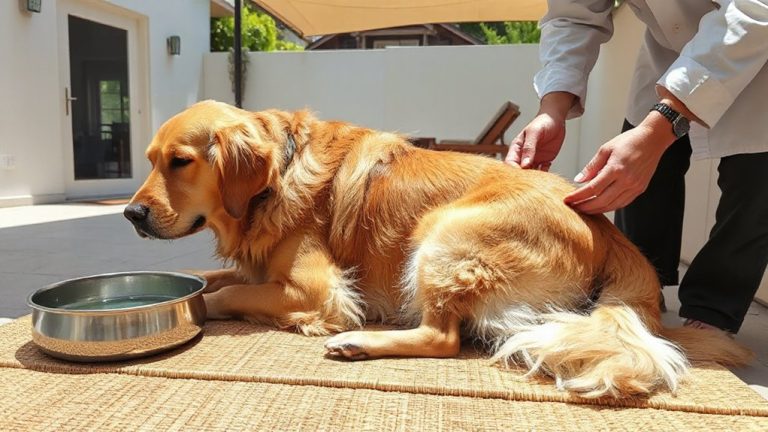
Understanding Seasonal Coat Changes and Their Impact on Grooming Routines
Daylight changes trigger your pet’s seasonal coat cycles, not temperature. Reduced spring daylight lowers melatonin, prompting thyroid-driven summer coat growth. Longer autumn nights increase melatonin, stimulating dense winter fur. Peak shedding occurs in spring (50–75°F) and fall (40–60°F). Brush daily with an undercoat rake (½-inch steel teeth) during heavy shed. Bathe every 4–6 weeks using sulfate-free, pH-balanced shampoo. Omega-3 supplements support coat integrity. You’ll find ideal tool and schedule details ahead.
Notable Insights
- Seasonal coat changes are primarily triggered by daylight length, not temperature, influencing hormonal cycles that regulate fur growth.
- Melatonin levels drop in spring due to longer days, prompting summer coat growth through increased thyroid and pituitary activity.
- In autumn, extended melatonin release from shorter days stimulates dense winter fur development for insulation.
- Temperature shifts enhance shedding intensity, with peak molting occurring in spring (50–75°F) and fall (40–60°F).
- Daily brushing with season-appropriate tools like undercoat rakes or slicker brushes manages shedding and maintains coat health.
What Causes Seasonal Coat Changes in Pets
While daylight shifts gradually throughout the year, it’s the changing length of daylight-not temperature-that primarily triggers your pet’s seasonal coat growth. Daylight exposure directly influences your pet’s circadian rhythm, which regulates hormonal fluctuations tied to coat cycling. As days lengthen in spring, increased photoperiod stimulates the pineal gland to reduce melatonin secretion. This change prompts thyroid and pituitary activity, initiating growth of the summer coat. Conversely, shorter days in autumn extend melatonin release, triggering denser winter fur development. These hormonal fluctuations are consistent across most mammals, including dogs and cats. The process is genetically programmed, species-specific, and varies by breed. For example, double-coated breeds like Huskies exhibit more pronounced shifts than single-coated breeds. You’ll notice this cycle repeats annually with precision, driven by photoreceptors in the retina that detect as little as 10 lux of light. Managing grooming routines around these natural shifts improves coat health and reduces shedding complications.
How Weather Triggers Seasonal Shedding
Daylight isn’t the only environmental cue influencing your pet’s shedding cycle-weather plays a direct role in activating and regulating seasonal coat loss. Temperature fluctuations signal your pet’s body to shed excess fur in preparation for warmer months or grow a denser undercoat when colder weather approaches. Combined with daylight exposure, these thermal shifts impact the hypothalamus, which regulates hair growth cycles. Changes in ambient temperature act as a physiological trigger, accelerating molting in spring and fall. Indoor pets experience modified patterns due to climate control, but seasonal shedding still occurs.
| Season | Temperature Range (°F) | Shedding Intensity |
|---|---|---|
| Spring | 50–75 | High |
| Summer | 75–90 | Low |
| Fall | 40–60 | High |
These cues ensure coat adaptation aligns with environmental demands.
Normal vs. Excessive Shedding: When to Worry
How can you tell if your pet’s shedding is within a healthy range or a sign of an underlying issue? Normal shedding produces a consistent, moderate amount of hair loss, especially during seasonal changes. Your pet’s coat texture should remain full and resilient, without thinning or brittle patches. Excessive shedding, however, involves noticeable hair clumps, bald spots, or a dull, fragile coat texture. It’s often accompanied by skin irritation-redness, flakiness, or sores-which may indicate allergies, parasites, or hormonal imbalances. While some hair loss is expected, dramatic changes aren’t typical. If you observe sudden shedding spikes or lesions, consult a veterinarian. Persistent skin irritation combined with abnormal hair loss frequently points to underlying health conditions requiring diagnosis. Monitor your pet closely; early detection improves treatment outcomes. Don’t assume it’s seasonal-verify with clinical assessment when changes exceed baseline patterns. Using the right deshedding tools can help manage normal shedding and improve coat health.
How Often to Brush During Heavy Shedding
What’s the right brushing frequency when your pet’s shedding heavily? During peak shedding, daily brushing is essential. Increased shedding intensity demands higher brushing frequency to prevent matting and reduce loose fur. Regular removal of dead hair supports healthy skin and minimizes household accumulation. Adjust your routine based on coat type and shedding severity.
| Coat Type | Brushing Frequency | Shedding Intensity |
|---|---|---|
| Short & Smooth | Daily | Moderate to High |
| Medium & Dense | Daily | High |
| Long & Thick | 2x Daily | Very High |
| Double-Coated | Daily | Extreme |
| Curly or Wavy | Every Other Day | Moderate |
Consistent brushing frequency reduces shedding intensity over time by accelerating the removal of loose undercoat. Use firm, even strokes aligned with hair growth. Focus on high-shed zones: back, flanks, and hindquarters. This proactive regimen maintains coat health and improves air circulation to the skin. A high-quality deshedding tool can significantly improve the efficiency of daily grooming sessions.
Best Grooming Tools by Season
Maintaining a consistent brushing routine during heavy shedding sets the foundation for effective seasonal grooming, but selecting the right tools amplifies your results. For spring and fall shedding, use an undercoat rake with stainless steel teeth spaced ½ inch apart to penetrate dense undercoats without damaging the top layer. This tool excels on double-coated breeds and accommodates a range of coat texture types, from wiry to soft. In summer, switch to a fine-toothed slicker brush with rounded tips to remove loose hair and maintain a healthy coat without over-stripping. Winter calls for a bristle brush with natural boar fibers, which distributes skin oils and preserves insulation. Prioritize tool durability by choosing models with reinforced handles and rust-resistant components. High-quality tools last longer and perform consistently across seasons. Always match your brush to your pet’s coat texture and shedding pattern to maximize efficiency. A well-chosen dog slicker brush can make all the difference in managing fine or medium coats during peak shedding months.
How to Avoid Over-Bathing During Shedding Season
Bathing too frequently during shedding season can strip essential oils, disrupt skin pH, and weaken coat structure. You should reduce bathing frequency to once every 4–6 weeks to preserve natural sebum production. Over-bathing accelerates dryness, compromising skin hydration and increasing flakiness. Use a pH-balanced, moisturizing shampoo with ingredients like ceramides or hyaluronic acid to support lipid barrier function. These formulations maintain ideal hydration levels without clogging follicles. Limit wash cycles to 10–12 minutes and rinse thoroughly at 100–102°F (38–39°C) to prevent residue buildup. Avoid hot water, as it exacerbates moisture loss. Pair low bathing frequency with regular brushing to remove loose fur and distribute oils. This approach sustains coat resilience and minimizes irritation. Maintaining skin hydration during peak shedding reduces inflammation and supports faster follicle recovery.
Year-Round Grooming Schedule for Seasonal Shedding
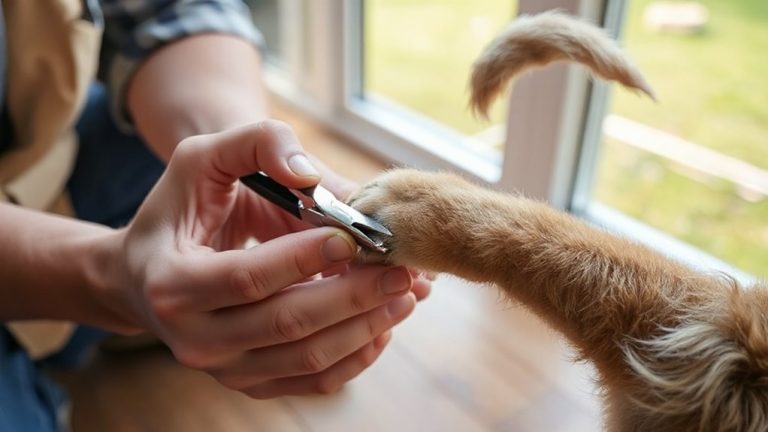
How do you keep shedding under control without overworking your pet’s coat? Establish a consistent grooming schedule tailored to seasonal shedding cycles. Brush your pet weekly with a deshedding tool featuring stainless steel blades spaced 3.5 mm apart to remove loose undercoat efficiently. During peak shedding seasons, increase frequency to every other day. Use a rubber curry brush for surface debris and stimulating skin hydration. Bathing every 4–6 weeks with a moisturizing, sulfate-free shampoo maintains natural oil balance. Between baths, apply a leave-in conditioner mist to support skin hydration and reduce flaking. Feed a diet rich in omega-3 and omega-6 fatty acids to support coat nutrition, improving tensile strength by up to 40%. Trim nails monthly and check ears weekly. This regimen minimizes shedding, preserves coat integrity, and promotes long-term dermatological health.
On a final note
You must adapt your grooming routine to match seasonal coat changes. Pets shed to regulate body temperature as daylight and temperature shift. Brush every 2–3 days during peak shedding, using de-shedding tools with stainless steel blades set to 0.5–1 mm depth. Over-bathing strips natural oils; limit to once monthly with pH-balanced, moisturizing shampoo. A year-round schedule prevents matting and improves skin health.