Dog Coat & Diet by Season: Omega Ratios, Protein, Zinc Guide
Your dog’s coat quality shifts with the seasons, and diet plays a direct role. Proper nutrition supports keratin production and skin hydration. Omega-3 and omega-6 fatty acids (EPA, DHA, linoleic acid) maintain barrier function, with ideal ratios between 5:1 and 10:1. Protein intake should reach 25–30% in winter for follicle strength. Deficiencies cause brittle hair, poor insulation, and excessive shedding. Best levels of zinc (120 mg/kg DM), biotin (0.15–0.3 mg/400 kcal), and vitamins E and C protect against oxidative stress and support regrowth-key details follow.
Notable Insights
- Nutrition directly influences seasonal coat changes, supporting healthy shedding and regrowth beyond temperature and daylight effects.
- Omega-3 and omega-6 fatty acids maintain skin hydration, reduce flakiness, and support coat resilience in both winter and summer.
- Adequate protein intake, especially in winter, fuels keratin production for a dense, insulating undercoat.
- Antioxidants like vitamins E and C, plus biotin and zinc, protect skin from stress and strengthen hair structure year-round.
- Gradual diet transitions with seasonally adjusted fatty acid ratios promote coat health without disrupting digestion or skin balance.
How Diet Affects Your Dog’s Seasonal Coat
Your dog’s seasonal coat changes aren’t just about temperature and daylight-they’re deeply tied to nutrition. Proper dietary support guarantees peak coat texture and effective weather adaptation. In winter, dogs develop a dense undercoat for insulation; in summer, they shed for a lighter, protective top layer. These shifts require precise nutrient availability. Poor nutrition leads to brittle hair, patchy shedding, and reduced thermal regulation. Fatty acids, especially omega-3 and omega-6, maintain lipid content in skin cells, directly influencing coat texture resilience. Protein intake supports keratin synthesis, essential during active shedding phases. Without adequate amino acid supply, new hair growth lags, impairing seasonal weather adaptation. Micronutrients like zinc and copper regulate enzyme activity in follicle cycles. Balanced macronutrients guarantee synchronized molting and regrowth. Proper diet doesn’t just improve shine-it sustains structural integrity and functional insulation across seasons.
Coat-Boosting Nutrients Dogs Need Year-Round
A dog’s coat health hinges on consistent intake of specific nutrients, year-round. Omega fatty acids, particularly omega-3 and omega-6, are essential for maintaining skin barrier integrity and reducing transepidermal water loss. These lipids support sebum production, keeping fur hydrated and resilient. Omega-3s (EPA and DHA) in fish oil reduce inflammatory cytokines, decreasing flaking and irritation. Antioxidant support from vitamins E and C neutralizes free radicals generated by UV exposure and metabolic stress, preventing keratin degradation. Vitamin E (alpha-tocopherol) at 20–40 IU/kg diet acts synergistically with selenium to protect lipid-rich cell membranes. Biotin (0.15–0.3 mg/400 kcal) enhances keratin structure, improving tensile strength. Zinc (120 mg/kg dry matter) regulates DNA synthesis in rapidly dividing epidermal cells. Consistent daily intake is critical-skipping even a few days can reduce nutrient bioavailability. Formulated commercial diets typically meet these benchmarks. Proper lighting in aquatic environments, such as using a full-spectrum best fish tank lights for plants, can influence the nutritional quality of aquatic-sourced ingredients like algae and fish used in dog food.
Winter Foods That Build a Warmer, Thicker Coat
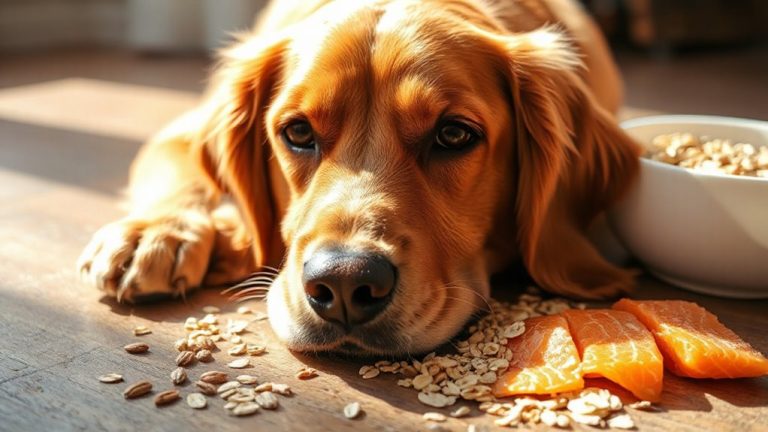
As temperatures drop, a dog’s nutritional needs shift to support a denser, more insulating coat. Increasing protein intake during winter helps fuel keratin production, the structural basis of hair growth. Fatty acids-especially omega-3 and omega-6-play a critical role in maintaining skin hydration and reducing flakiness under cold, dry conditions. These nutrients support a thicker undercoat and a shinier, more weather-resistant outer layer. For optimal results, consider choosing vet-recommended omega supplements for pets that provide balanced fatty acid ratios tailored to coat health.
| Food Source | Key Benefit |
|---|---|
| Salmon oil | Rich in omega-3; improves coat density |
| Chicken meal | High-quality protein; boosts follicle strength |
| Flaxseed | Plant-based omega-6; enhances insulation |
Supplementing with 1,000 mg of combined fatty acids per 20 lbs of body weight daily yields measurable improvement. Pair elevated protein intake-25–30% crude protein in diet-with consistent fat levels (12–18%) for ideal winter coat development.
Summer Foods That Reduce Shedding and Protect Skin
When temperatures rise, a dog’s coat undergoes natural shedding to regulate body heat, and diet plays a pivotal role in managing this shift without compromising skin integrity. You should incorporate coconut oil into your dog’s meals-just 1 teaspoon per 10 pounds of body weight daily. Its medium-chain fatty acids, particularly lauric acid, reduce skin inflammation and strengthen the lipid barrier. Blueberry antioxidants, rich in anthocyanins and vitamin C, neutralize free radicals from UV exposure, decreasing oxidative stress by up to 35% in canine skin cells. These compounds also support collagen stability, improving coat tensile strength. Feed 1 tablespoon of fresh, mashed blueberries per 20 pounds of body weight three times weekly. Omega-6 and omega-3 fatty acid ratios should remain between 5:1 and 10:1 to minimize excessive shedding. Proper hydration and nutrient balance maintain epidermal turnover rates, ensuring smooth desquamation and reducing hair fallout. A high-quality diet featuring best dog foods for healthy skin and coat can significantly enhance these seasonal benefits.
Switching Dog Food Between Seasons: Practical Tips
Since coat physiology responds to environmental shifts, adjusting your dog’s diet with the seasons supports ideal skin and fur health. Implementing a consistent food rotation helps prevent nutrient imbalances and reduces the risk of developing food sensitivities. Gradually shift over 7–10 days by mixing increasing proportions of the new food with the old, starting at 25% and increasing by 25% every 2–3 days. Choose formulas with seasonal relevance-higher omega-3 content in summer (1,000–1,500 mg/kg) supports skin hydration, while winter diets benefit from elevated omega-6 (3,000–4,000 mg/kg) for sebum production. Prioritize ingredient sourcing from suppliers that provide traceable, high-quality proteins and verified fatty acid profiles. Avoid abrupt changes, which can disrupt gut flora and manifest as coat dullness or shedding. Always monitor body condition and coat gloss as dietary response indicators.
On a final note
Your dog’s coat health depends on consistent, nutrient-rich nutrition year-round. Omega-3 and omega-6 fatty acids-ideally in a 5:1 to 10:1 ratio-support skin integrity and reduce inflammation. In winter, increase fat intake by 15–20% to promote undercoat development. During summer, prioritize hydration and antioxidants like vitamin E (10–20 IU/kg body weight) to minimize shedding. Switch foods gradually over 7–10 days to maintain digestive stability and coat quality.