How to Create a Weight-Loss Diet for Dogs With Liver Disease and Obesity
You must manage your dog’s liver health and weight together. Cut calories by 20–30% below maintenance needs to promote fat loss without stressing the liver. Use lean proteins like boiled chicken breast or veterinary therapeutic diets providing 1.0–1.6 g protein per kg of ideal body weight daily. Choose digestible carbs such as cooked rice or tapioca, which are low-residue and minimize ammonia. Avoid copper-limit intake to under 2.5 mg/kg dry matter-and skip hepatotoxic additives like BHA. Include milk thistle (2–5 mg per pound, twice daily) and omega-3s (50–100 mg EPA/DHA per pound) to reduce inflammation and support repair. Use soluble fiber like psyllium at 5–10 g per 10 kg to control appetite. Monitor body weight weekly and adjust portions. Watch liver enzymes closely, as improvements may allow gradual fine-tuning of protein levels. More details on balancing nutrient ratios follow.
Notable Insights
- Select lean proteins like boiled chicken breast and cooked egg whites to support liver function and control weight.
- Limit daily calories by 10–15% initially, adjusting based on weekly weight checks to promote safe weight loss.
- Use highly digestible carbohydrates like cooked rice and avoid fermentable fibers to reduce hepatic stress.
- Ensure the diet contains less than 2.5 mg/kg copper and excludes organ meats and shellfish to protect the liver.
- Supplement with milk thistle (2–5 mg/lb) and omega-3s (50–100 mg/lb) to reduce inflammation and support liver health.
Treat Liver Disease and Obesity Together
While managing both liver disease and obesity in dogs might seem like two separate challenges, treating them together is essential for effective long-term recovery. You must prioritize liver support while simultaneously promoting weight loss to maintain metabolic balance. Excess fat increases hepatic stress, worsening liver function. A compromised liver, in turn, disrupts fat and carbohydrate metabolism, making weight control harder. Effective management requires precise nutritional formulation. Look for diets with reduced copper and added S-adenosylmethionine (SAMe) for liver support. These ingredients reduce oxidative stress and improve detoxification. Simultaneously, controlled calorie content-typically 20–30% less than maintenance needs-supports gradual fat loss. Monitor body condition score (BCS) weekly, aiming for a 1–2% body weight loss per week. This dual approach stabilizes metabolic balance, improves insulin sensitivity, and enhances liver regeneration, resulting in better clinical outcomes.
Feed High-Quality, Low-Fat Proteins
You need to choose protein sources carefully when feeding a dog with both liver disease and obesity. Lean proteins reduce liver strain while supporting muscle mass during weight loss. Opt for boiled chicken breast, skinless turkey, or cooked egg whites-these provide high biological value protein with minimal fat. Avoid red meats and fatty cuts, which increase hepatic workload. Aim for 1.0–1.6 grams of protein per kilogram of ideal body weight daily, adjusted for liver function. Distribute intake across multiple meals to improve nitrogen utilization. Meal timing plays a key role-feeding smaller portions 3–4 times daily stabilizes blood amino acid levels and minimizes toxin buildup. Consistent meal timing also enhances metabolic efficiency. Choose commercial veterinary diets formulated for liver support if home-prepared meals aren’t feasible. These contain precisely balanced amino acid profiles and limited copper, critical in hepatic diets.
Pick Easy-To-Digest Carbs for Steady Energy
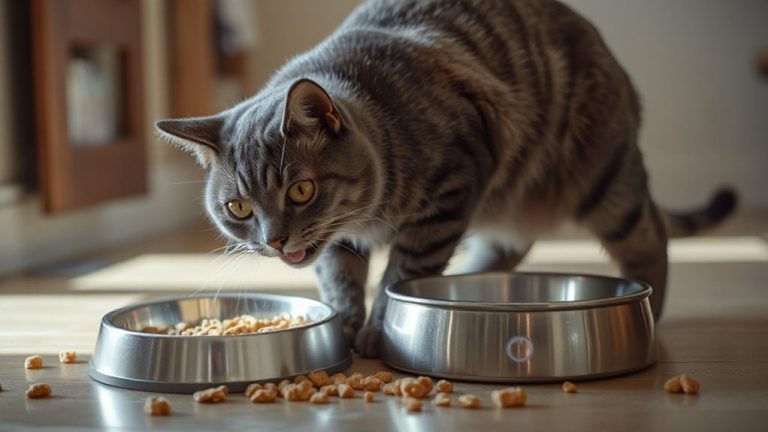
Carbohydrates are your dog’s primary energy source, especially when fat and protein intake must be carefully managed. You need to choose easy-to-digest carbs to maintain steady glucose levels and reduce liver stress. Rice inclusion is ideal-white rice is highly digestible and provides rapid glucose release, while brown rice offers fiber and slower energy release. Cooked rice has a digestibility rate above 90%, making it efficient for dogs with compromised livers. Your grain selection should prioritize low-residue, non-fermentable sources to minimize ammonia production. Avoid complex grains like barley or rye; they can overwork the liver. Instead, opt for rice, oats, or tapioca. These carbs support caloric needs without increasing metabolic strain. Proper grain selection balances energy delivery and hepatic function. Always pair carbs with measured protein for ideal weight loss and liver support.
Avoid Copper and Toxic Food Additives
Since excessive copper accumulates in the liver and worsens hepatobiliary function, you’ll need to eliminate high-copper ingredients from your dog’s diet. Copper toxicity can accelerate liver damage, especially in breeds genetically predisposed, like Bedlingtons or Westies. Avoid organ meats, shellfish, and copper sulfate supplements. Check labels: the diet should contain less than 2.5 mg/kg of copper on a dry matter basis. Equally critical is avoiding toxic food additives. Artificial colors, BHA, and ethoxyquin are hepatotoxic and may impair detoxification pathways. These additives offer no nutritional benefit but increase oxidative stress. Instead, choose foods preserved with mixed tocopherols or rosemary extract. Read ingredient lists meticulously-what’s omitted matters as much as what’s included. A clean, additive-free diet supports hepatic recovery and metabolic efficiency. Avoiding these compounds reduces liver inflammation and improves long-term outcomes for dogs managing both obesity and liver disease.
Trim Calories Without Causing Hunger
Though reducing caloric intake is essential for weight loss in dogs with liver disease, cutting too much too quickly can lead to hunger, muscle loss, and metabolic slowdown. Use precise portion control to gradually decrease calories-reduce daily intake by 10–15% initially, then adjust based on weekly weight checks. Measure food with a digital kitchen scale to guarantee accuracy; even small overestimations hinder progress. Increase fiber intake using soluble fibers like psyll inflamm or canned pumpkin (5–10 g per 10 kg body weight daily), which expand in the stomach and promote satiety. Fiber also supports colon health and stabilizes blood glucose. High-fiber, low-fat commercial diets formulated for liver conditions typically contain 8–12% crude fiber on a dry matter basis-ideal for sustained fullness. Monitor body condition score monthly. Avoid free-feeding; stick to two to three scheduled meals. This method supports steady fat loss while preserving lean mass.
Add Supplements That Help Liver Repair
You can give your dog a better chance at liver recovery by adding targeted supplements that support hepatic repair and function. Milk thistle benefits stem from silymarin, a flavonoid complex shown to protect liver cells and promote regeneration. Use a standardized extract with 70–80% silymarin, dosed at 2–5 mg per pound of body weight, twice daily. Silymarin neutralizes free radicals and stabilizes cell membranes, acting like a shield against toxin-induced damage. Omega fatty support, particularly omega-3s (EPA and DHA), reduces hepatic inflammation. Administer 50–100 mg EPA/DHA per pound daily. These fatty acids modulate cytokine production and improve liver fat metabolism. Choose third-party tested supplements to guarantee purity and potency. Human-grade fish oil or algae-based sources offer reliable profiles. Consistent supplementation supports cellular repair without overburdening compromised livers. Always introduce supplements gradually and confirm compatibility with your vet. For high-quality options, consider the top omega supplements for pets recommended by veterinary nutrition experts.
Adjust the Diet Based on Liver Values and Weight Loss
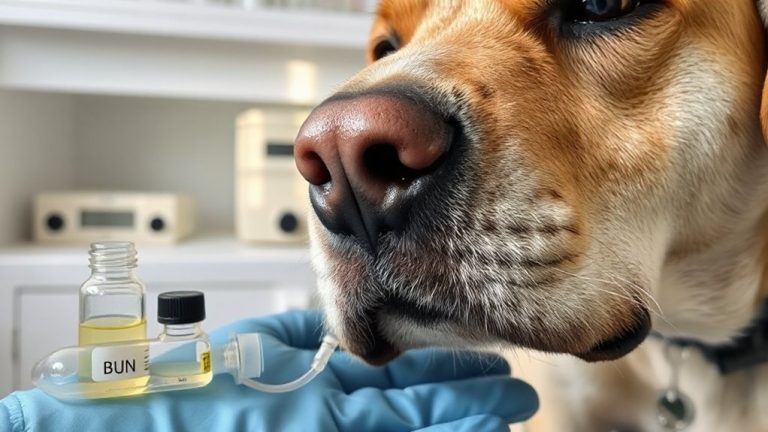
Fine-tuning your dog’s diet becomes necessary once supplements are in place and you start seeing shifts in liver values and body weight. Monitoring hydration is critical-dehydration can falsely elevate liver enzymes and impair metabolic function. Check skin turgor and mucous membranes daily to guarantee adequate fluid intake. Adjusting portions supports steady weight loss without overburdening the liver. Reduce calories by 10–15% every two weeks, targeting a 1–2% body weight loss per week. Use a gram scale for food accuracy; even small variances can affect outcomes. Recheck liver enzymes (ALT, ALP, bilirubin) every 4–6 weeks. If ALT decreases but weight loss stalls, slightly increase protein (15–18% on dry matter basis) while maintaining low copper (<0.5 mg/kcal). Collaborate with your vet to interpret trends. Consistent data tracking guarantees timely dietary modifications. Balanced adjustments sustain liver recovery and fat loss without compromise. Consider incorporating kidney support pet foods if there are concurrent renal concerns, as they are formulated to ease metabolic strain while promoting overall organ health.
On a final note
You must treat liver disease and obesity together. Diet is critical. Feed high-quality, low-fat proteins like egg whites or lean chicken-limit to 1.5 g protein/kg body weight daily. Choose digestible carbs: white rice or potatoes provide steady energy. Avoid copper; use <0.5 mg Cu/kg food. Eliminate propylene glycol and xylitol. Reduce calories by 20–30% below resting energy requirement. Add SAMe and milk thistle to support liver repair. Monitor liver enzymes and adjust.