The Role of Metabolism in Age-Related Weight Gain in Senior Cats
Your senior cat’s metabolism slows with age, reducing resting energy needs by up to 20% after age 10. Declining T4 levels and muscle loss decrease basal metabolic rate, while insulin resistance promotes fat storage. Reduced activity from joint pain further limits calorie burn. Look for lethargy, weight gain, or a body score over 6/9. Feeding high-protein, low-carb diets with L-carnitine supports metabolic health. You’ll find specific diet and activity recommendations that target these changes effectively.
Notable Insights
- Aging cats experience a 15–20% decline in metabolic rate due to reduced lean body mass and lower thyroid hormone levels.
- Decreased muscle mass lowers resting energy expenditure, promoting fat accumulation even with unchanged food intake.
- Insulin resistance in senior cats increases abdominal fat storage and disrupts glucose metabolism.
- Hormonal imbalances, including low T4 and leptin dysregulation, impair satiety and energy utilization.
- Reduced activity from joint disease further decreases calorie needs, compounding weight gain risks.
Why Senior Cats Gain Weight With Age
Though your senior cat may seem less active, weight gain with age isn’t inevitable-it’s often the result of measurable physiological shifts and lifestyle factors. Hormonal imbalances, particularly in thyroid and insulin regulation, directly affect fat storage and energy utilization. Decreased thyroid hormone (T4) levels reduce basal metabolic rate by up to 20% in cats over 10 years. Simultaneously, insulin resistance can promote fat accumulation, especially around the abdomen. Poor joint health limits mobility; arthritic changes in hips or knees decrease daily activity by 30–50%. Reduced movement lowers caloric expenditure, creating a positive energy balance. Radiographs often reveal osteophytosis or decreased joint space, confirming degenerative joint disease. Without dietary adjustment or activity support, these factors synergistically promote weight gain. You must address both endocrine function and musculoskeletal comfort to maintain healthy body condition. Early intervention with targeted nutrition and environment modification is critical.
How Aging Slows Your Cat’s Metabolism
As your cat ages, metabolic rate declines due to reduced lean body mass and hormonal shifts-changes that begin as early as age 7. Muscle loss is a primary driver, decreasing basal metabolic demand by up to 20% over five years. Lean tissue burns more calories than fat, so losing muscle directly slows energy expenditure. Hormonal changes further suppress metabolism, particularly declining thyroid hormone (T4) levels, which regulate metabolic speed. Older cats often show reduced insulin sensitivity, altering nutrient processing. Activity levels drop alongside metabolic rate, compounding energy imbalance. These shifts occur gradually, making changes hard to detect early. By age 10, a cat’s resting energy requirement may decrease 15–20% compared to adulthood. You can’t reverse aging, but understanding these physiological shifts helps you manage intake and activity. Monitoring body condition score and muscle mass quarterly allows early dietary adjustments.
How A Slow Metabolism Causes Obesity
Because your senior cat burns fewer calories at rest, even small imbalances between intake and energy expenditure can lead to weight gain over time. A slowed metabolic rate reduces basal energy needs by 15–20% compared to younger adults. This diminished calorie burn compounds when paired with age-related muscle atrophy, which lowers lean body mass and further depresses metabolism. Less muscle means reduced glucose uptake and decreased resting energy expenditure. Hormonal imbalance, particularly in insulin, leptin, and thyroid hormones, disrupts appetite regulation and fat storage. Insulin resistance promotes fat accumulation, especially viscerally. Leptin dysregulation impairs satiety signaling, increasing food intake. These physiological shifts create a cycle: lower metabolism encourages fat gain, which exacerbates hormonal imbalance and accelerates muscle loss. Without dietary adjustment or activity support, fat mass rises while muscle atrophies, tipping energy balance toward obesity.
Warning Signs Of A Sluggish Metabolic Rate
What if your senior cat’s weight gain isn’t just from extra treats? A sluggish metabolic rate could be the cause. Lethargy is a key indicator-your cat may sleep more than 18 hours daily and avoid jumping or playing. Normal activity levels drop as resting energy expenditure decreases by up to 20% in cats over 10 years. Appetite changes often accompany this-some cats eat less due to reduced energy needs, while others overeat from hormonal imbalances. You might notice increased fat mass, especially around the abdomen, despite stable food intake. Body condition scoring above 6/9 suggests excess adiposity. Weight gain of more than 10% over six months without dietary changes signals metabolic decline. Thyroid hormone levels, like total T4, may fall below 1.0 µg/dL, confirming slowed metabolism. Monitor these signs closely. Choosing the right nutrition, such as best cat food for senior cats, can help support metabolic health and manage weight.
Best Foods To Boost Senior Cat Metabolism
While age-related metabolic decline is common in senior cats, the right nutrition can help support energy expenditure and lean body mass. Choose foods with high nutrient density to deliver essential vitamins, minerals, and protein in every bite. Look for formulas enriched with L-carnitine, which aids in fat metabolism and helps preserve muscle. Ideal thyroid support is essential-select diets containing adequate levels of iodine and taurine, which regulate thyroid hormone production. Wet or dry, the food should list animal-based protein as the first ingredient, ideally providing at least 30% crude protein on a dry matter basis. Low carbohydrate content-under 10%-helps maintain stable blood glucose. Limited fiber enhances digestibility, increasing nutrient absorption. Pair these specifications with controlled calorie density, around 300–350 kcal per cup for dry food, to avoid excess weight gain. Consistent feeding of metabolically supportive diets improves long-term vitality.
Easy Ways To Help Older Cats Stay Active And Lean
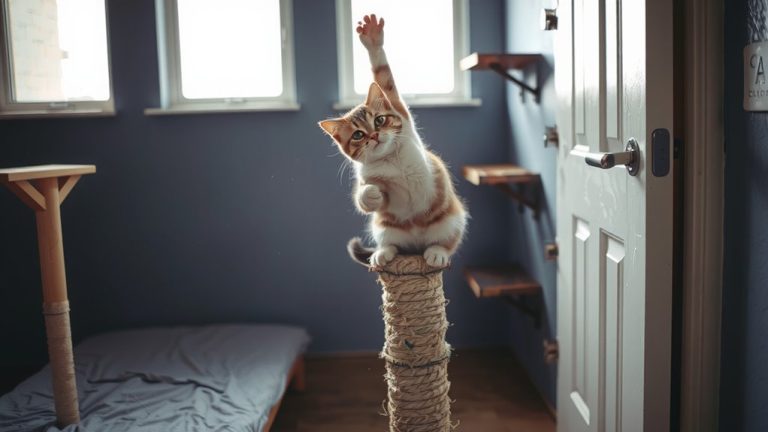
You can help your senior cat maintain a healthy weight and stay active with simple, consistent changes to their daily routine. Establish regular playtime routines lasting 10–15 minutes twice daily to support muscle tone and calorie expenditure. Use interactive toys that mimic prey movement, such as motorized mice or feather wands on 12–18 inch rods, to encourage stalking and pouncing. These activities increase heart rate to 180–220 bpm, similar to natural hunting. Rotate toys weekly to sustain interest and prevent habituation. Position climbing structures with steps no higher than 8 inches to reduce joint strain. Place toys near windows with bird feeders outside to extend visual engagement. Combine mental stimulation with physical movement to boost metabolic rate by up to 15%. Consistent activity helps regulate insulin sensitivity and reduce fat accumulation, especially in cats over 10 years of age. Pairing exercise with a nutritionally balanced best wet food for senior cats can further support metabolic health and weight management.
On a final note
You can manage age-related weight gain in senior cats by understanding metabolic slowdown. Aging reduces basal metabolic rate by up to 20%, increasing fat storage. Feed high-protein, low-carbohydrate diets with L-carnitine to support fat metabolism. Opt for foods with 26–30% crude protein and under 10% carbohydrates on a dry matter basis. Encourage daily activity with 15-minute play sessions to maintain lean mass. Monitor weight monthly using a digital scale accurate to 0.1 lbs.