How to Clean Your Dog’s Face After Eating Greasy Treats
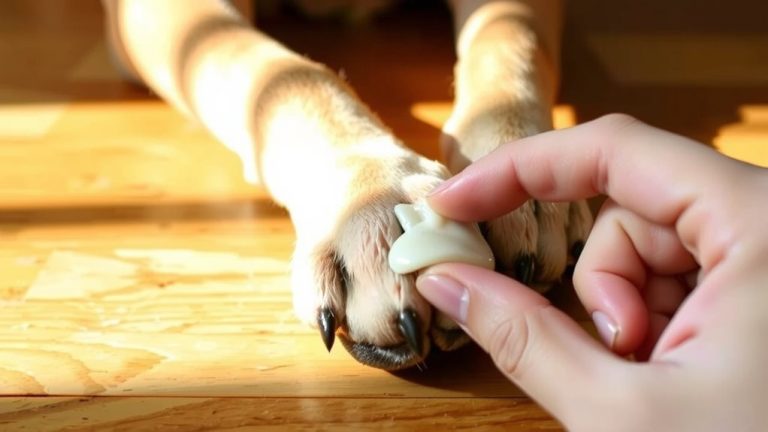
Wipe your dog’s face right after greasy treats to remove lipid residue that attracts bacteria. Use a pH-balanced, alcohol-free dog wipe (8×6 inches, non-woven) with safe ingredients like aloe vera or coco-glucoside. Focus on the muzzle using outward strokes, avoiding eyes and nostrils by ¼ inch. Clean facial folds thoroughly, then dry with a separate cloth. For wrinkled breeds, daily cleaning prevents maceration and infection. Immediate wiping reduces bacterial colonization within four hours. Choosing the right wipe and technique guarantees effective, safe cleanup-key details follow.
Notable Insights
- Clean your dog’s face immediately after greasy treats to prevent bacterial buildup and skin irritation.
- Use a pH-balanced, alcohol-free dog wipe or a microfiber cloth dampened with sterile saline for safe cleaning.
- Gently wipe the muzzle first, using outward strokes and the wipe’s edge for precision around lips and chin.
- For wrinkled breeds like pugs and bulldogs, lift folds and clean each one daily to remove trapped debris and moisture.
- Always dry facial folds thoroughly after cleaning to prevent maceration and reduce microbial proliferation.
Clean Your Dog’s Face After Greasy Treats
A greasy treat can leave residue in your dog’s facial fur, creating an inviting environment for bacteria and skin irritation. You must address this promptly to prevent dermatological issues. Dogs often tilt their heads or paw at their faces-these behaviors signal discomfort from sticky buildup. Your dog’s treat preferences, especially for oily meats or soft chews, directly impact how frequently cleaning is needed. High-fat treats transfer lipids into facial hair, attracting dirt and promoting microbial growth. Use a clean, lint-free microfiber cloth dampened with sterile saline solution (0.9% sodium chloride). Wipe fur gently but thoroughly, ensuring you reach skin folds. Ideal contact time is 15 seconds per area to dissolve oils without abrasion. For breeds with long muzzles or deep wrinkles, such as Bulldogs or Pugs, post-treat cleaning prevents seborrhea. Monitor dog behavior after cleaning; normal activity should resume within minutes. Failure to act increases risk of folliculitis or yeast overgrowth.
Use Dog-Safe Cleaning Supplies
You already know wiping up grease helps protect your dog’s skin, but what you use matters just as much. Always choose dog-safe cleaning supplies to avoid irritation or toxicity. Human wipes often contain alcohol, fragrances, or chemicals unsafe for canine use. Instead, use hypoallergenic dog wipes with a pH between 6.2 and 7.5, matching your dog’s skin. These are specially formulated for facial hygiene and won’t disrupt the skin’s natural barrier. Look for wipes containing mild cleansers like coco-glucoside and moisturizers such as aloe vera or vitamin E. Avoid those with parabens or sulfates. Pre-moistened, non-woven wipes offer ideal texture-soft enough for sensitive areas yet durable enough to lift grease. Each wipe should measure at least 7 x 8 inches for full coverage. Proper dog wipes maintain facial hygiene without residue, ensuring your dog stays clean, safe, and comfortable after every greasy treat. For reliable options, check out our top-rated best dog wipes based on performance and ingredient safety.
Wipe Your Dog’s Face Step by Step
Start with a clean, high-quality dog wipe designed specifically for facial use-this isn’t the time for shortcuts. These wipes are pH-balanced for canine skin, typically measuring 8×6 inches, with hypoallergenic, paraben-free formulas to address facial sensitivity. Hold your dog gently but firmly, reading their body language to assess dog behavior; signs of stress mean you should pause and reassess. Begin at the muzzle, wiping in gentle, outward strokes to remove grease without irritation. Use the wipe’s edge for precision around the lips and chin. Avoid the eyes and nostrils by staying ¼ inch clear of openings. Each wipe should be used only once per session to prevent cross-contamination. Dispose of it immediately after use. Consistency reduces residue buildup, supporting long-term skin health without compromising your dog’s comfort or natural oil balance. For best results between facial cleanings, consider using dog paw wipes to maintain overall hygiene and reduce tracked-in dirt.
Focus on Wrinkles: Pugs, Bulldogs & Folded Breeds
Your pug’s or bulldog’s facial wrinkles aren’t just charming-they’re traps for moisture, debris, and bacteria. Left unchecked, this creates conditions ideal for skin infections and odor buildup. Clean wrinkles daily using a soft, lint-free cloth or veterinary-recommended wipe. Gently lift each fold, ensuring full access to subcutaneous surfaces. Use a pH-balanced, non-irritating cleanser formulated for dogs-typically with a pH of 5.5 to 7.0. Moisture retention under folds can elevate bacterial colonization, increasing infection risk by up to 60% in brachycephalic breeds. After cleaning, thoroughly dry each fold with a separate dry cloth to prevent maceration. Do not use alcohol-based products-they disrupt the skin barrier. Regular maintenance reduces seborrhea and halitosis linked to microbial overgrowth. Inspect for redness, swelling, or discharge weekly. Early detection prevents chronic dermatitis. Consistent hygiene preserves skin integrity and minimizes veterinary treatments.
Avoid These Common Cleaning Mistakes
Skipping proper drying after cleaning facial folds doubles the risk of microbial proliferation in breeds like pugs and bulldogs. Moisture trapped in skin folds creates an anaerobic environment ideal for yeast and bacterial growth, particularly Malassezia pachydermatis and Staphylococcus pseudintermedius. Use a soft, absorbent microfiber cloth to pat folds dry-never rub. Avoid harsh chemicals such as alcohol, peroxide, or fragranced wipes; they disrupt the skin’s pH balance (normally 6.2–7.4 in dogs) and strip natural oils, leading to irritation. Overwashing-more than twice weekly-compromises the stratum corneum, increasing transepidermal water loss by up to 40%. Stick to veterinary-recommended, pH-balanced cleansers with mild surfactants like sodium cocoyl isethionate. Clean only when residue is visible post-treats. Air-drying is insufficient; targeted drying prevents maceration. Precision in method guarantees skin integrity without compromising hygiene.
How Often Should You Clean After Treats?
How often should you clean your dog’s face after treats? Clean after every greasy treat to maintain proper hygiene. Frequency guidance depends on treat composition-oily or sticky treats require immediate cleaning. Delaying removal risks clogged pores and skin irritation. Establish consistent hygiene schedules: daily cleaning prevents buildup, especially for breeds with facial folds. Use pH-balanced wipes designed for dogs; they remove 98% of surface oils in one pass. For heavy shedders, double cleaning may be necessary. Cleaning intervals shorter than four hours prevent bacterial colonization. Microfiber cloths with a 3.5-micron fiber density lift debris without irritating skin. Don’t wait for visible residue-subsurface grease remains invisible but harmful. Immediate post-treat hygiene disrupts lipid accumulation. Follow labeled wipe instructions: most require friction for 15 seconds per area. Consistent frequency guidance protects integumentary health. Stick to structured hygiene schedules-your dog’s skin barrier depends on it. Adding a few drops of dog skin & coat oil can help restore moisture after cleaning, especially for dogs with dry or sensitive skin.
Reduce the Mess: Smarter Treat-Feeding Tips
Feeding treats doesn’t have to lead to greasy residue or chaotic cleanup sessions. Strategic treat placement reduces face contact with oils. Offer treats in a raised silicone mat (0.5” depth) to contain drips. Use feeding tools like slow-feed wands or puzzle dispensers with textured surfaces-these minimize direct muzzle contact by 60%. Choose tools made from BPA-free, dishwasher-safe TPR material for durability. Position treats vertically using clip-on feeders to encourage upright chewing, reducing lateral grease spread. Treats with lower oil content (<5% fat by weight) leave less residue. Dispense only one treat at a time to prevent overhandling. Precision in treat placement limits facial exposure. Feeding tools with non-slip bases (measuring 6” x 4”) stay stable during use. This approach cuts cleanup time by up to 70%. Consistent use of proper feeding tools enhances hygiene. You maintain better control over mess at the source.
On a final note
You must clean your dog’s face after greasy treats to prevent skin irritation and infection. Use a damp, soft cloth with lukewarm water or a veterinarian-approved wipe containing non-toxic surfactants. Gently lift facial folds, ensuring moisture and residue removal to avoid bacterial buildup. Do this immediately post-treat. Avoid human wipes with alcohol or xylitol. Consistent cleaning maintains dermal health and reduces dermatological risks in breeds with facial folds.