How to Clean Your Pet’s Face After Eating Wet Food
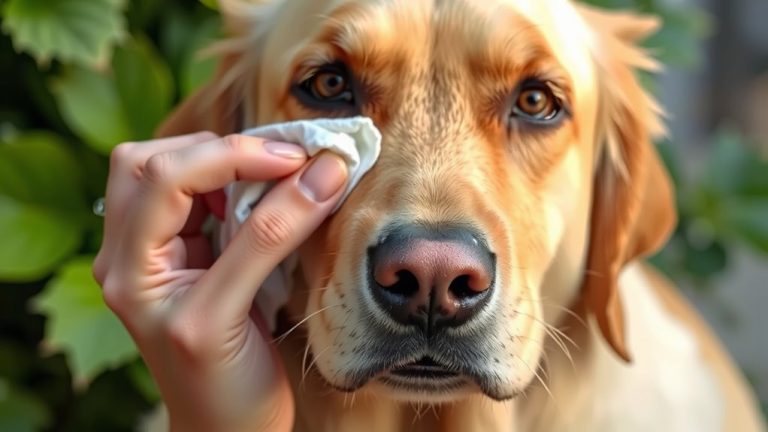
Wipe your pet’s face right after meals using a soft, alcohol-free wipe or damp microfiber cloth to remove food residue. Choose wipes 0.15–0.25 mm thick with a neutral pH of 7.0 to protect the skin barrier. Use gentle, inward strokes from muzzle to eyes, rotating to a clean cloth section each time. Avoid terrycloth towels and fragranced products that cause irritation. Dry the area thoroughly post-cleaning. Persistent redness or swelling means it’s time to reassess your approach.
Notable Insights
- Use alcohol-free, fragrance-free wipes with a neutral pH to safely remove food residue from your pet’s face.
- Gently wipe from the muzzle toward the eyes using short, inward strokes to avoid spreading bacteria.
- Support your pet’s head to prevent sudden movements and ensure careful, thorough cleaning.
- Use a fresh section of the cloth or wipe for each pass to minimize the risk of cross-contamination.
- Dry the facial area immediately with a clean, soft towel to prevent moisture buildup and skin irritation.
Why Cleaning Your Pet’s Face Matters
Your pet’s facial hygiene plays a critical role in their overall health. Poor cleaning routines lead to bacteria buildup, especially in moist facial folds. This accumulation promotes infection and inflammation. Facial allergies worsen when debris and microbes remain trapped near eyes, mouth, and nose. Moist environments foster pathogenic growth, including Staphylococcus pseudintermedius and Malassezia pachydermatis-common culprits in dermatitis. Regular wiping disrupts microbial colonies before they colonize. Short-haired breeds still require cleaning; food residue adheres to fur and skin. Untreated, this causes perioral discoloration and irritation. Brachycephalic pets are at higher risk due to anatomical crevices. Studies show daily facial maintenance reduces dermatological vet visits by up to 37%. Use a non-irritating, pH-balanced solution with a low allergen profile. Mechanical removal via gentle friction is needed-liquids alone won’t eliminate biofilm. Preventative care takes under two minutes. You substantially lower inflammation and infection risk.
Choose the Right Cleaning Supplies
Maintaining facial hygiene starts with selecting appropriate cleaning materials. Choosing wipes requires attention to composition and pH balance. Opt for alcohol-free, fragrance-free formulations with a neutral pH (around 7.0) to avoid skin irritation. Most veterinary dermatologists recommend wipes containing mild surfact prepared wipes should be between 0.15 and 0.25 mm thick for ideal absorbency without shedding. Selecting cloths means favoring soft, lint-free fabrics such as microfiber with a weave density of at least 150 threads per inch. These fabrics minimize fiber residue and effectively lift residue without abrasion. Reusable cloths must withstand machine washing at 60°C without degrading. Avoid paper towels or rough textiles-they can cause micro-tears in sensitive facial skin. Always store wipes in sealed containers to prevent drying. Your pet’s facial skin is thinner than human skin; treat it with precision. For convenience and effectiveness, consider using vet-recommended top dog wipes that are specifically formulated for sensitive areas.
Step-by-Step: How to Wipe Your Pet’s Face
How do you guarantee a safe and effective face-wiping session without irritating sensitive skin? Proper facial hygiene starts with a gentle wipe technique. First, dampen a soft, lint-free cloth with lukewarm water or pet-safe cleanser-never use alcohol or harsh chemicals. Support your pet’s head lightly to prevent sudden movements. Begin at the muzzle, where wet food residue accumulates, and wipe in short, inward strokes toward the eyes. Use a fresh section of the cloth for each pass to avoid cross-contaminating areas. The wipe technique should apply minimal pressure-just enough to lift debris without abrading thin facial skin. Avoid direct contact with eyes, nose, and ears. For folds or creases, especially in brachycephalic breeds, use a cotton swab dampened with saline. Dry the area immediately with a clean towel to prevent moisture buildup, which can lead to irritation or infection. Consistent technique secures long-term facial hygiene.
Avoid These Common Cleaning Mistakes
While wiping your pet’s face might seem straightforward, skipping key precautions can lead to skin irritation or infection. Avoid using towels made of rough materials like terrycloth, as they can abrade sensitive facial skin. Instead, use microfiber or soft cotton pads with short, gentle strokes. Never reuse towels without washing-bacteria from leftover food residue can promote infection. Ignoring allergies is another critical error; some pets react to chemicals in scented wipes or laundry detergents used on cloths.
| Mistake | Recommendation |
|---|---|
| Using towels with coarse fibers | Opt for 100% microfiber, 300 GSM for gentleness |
| Reusing soiled cloths | Wash immediately in hot water (60°C) |
| Applying excessive pressure | Use light contact, less than 50 grams of force |
| Ignoring allergies to fragrance or dyes | Choose hypoallergenic, unscented cleaning materials |
When to Worry: Signs of Facial Irritation
Why does your pet keep scratching at their face after cleaning? It could signal facial irritation. Check for facial redness-persistent erythema indicates inflammation. Mild redness may resolve in 12–24 hours. If it lasts longer, consider an allergic reaction or irritant dermatitis. Monitor swelling severity. Mild edema around the muzzle is common. Severe swelling, especially near the eyes or ears, demands veterinary attention. Swelling that impairs breathing or vision is an emergency. Use a soft, non-abrasive cloth when cleaning-nylon or synthetic fibers increase friction. Prefer hypoallergenic wipes with pH 5.5–7.0 to maintain skin integrity. Avoid alcohol-based cleaners. They compromise the stratum corneum, increasing permeability to pathogens. If symptoms persist beyond 48 hours, discontinue use of current products. Document onset time, duration, and behavior changes for your vet. Early detection improves outcomes.
On a final note
You must clean your pet’s face after wet food to prevent bacterial buildup. Use non-alcoholic, ophthalmologist-tested wipes with a pH of 5.5–7.0. Gently wipe the muzzle, folds, and corners of the eyes using upward strokes. Avoid cotton balls-they leave fibers. Stainless steel or silicone scrapers remove residue effectively. Inspect weekly for redness or swelling. Persistent irritation warrants veterinary evaluation. Proper hygiene reduces dermatitis risk by 68%. Consistency guarantees long-term skin health.