How to Clean Your Pet’s Face After Exposure to Harsh Chemicals
Flush your pet’s face right away with a gentle stream of lukewarm water between 60°F and 105°F. Use clean, potable water and direct the flow from the inner eye outward to reduce contamination. Rinse continuously for at least 15 minutes at 2–4 liters per minute to remove over 90% of toxins. Avoid high pressure or pauses. This immediate action can markedly reduce chemical absorption and tissue damage-there’s more to reflect on for full safety.
Notable Insights
- Immediately flush your pet’s face with a gentle stream of lukewarm water (60–105°F) for at least 15 minutes.
- Direct the water flow from the inner to outer eye to minimize contamination of unaffected areas.
- Use only clean, potable water at a flow rate of 2–4 liters per minute without interruption.
- After rinsing, gently dry the face with a clean, lint-free microfiber or organic cotton cloth.
- Monitor for signs of irritation and contact Animal Poison Control at (888) 426-4435 immediately.
Flush the Face Immediately With Lukewarm Water
Time is critical when dealing with chemical exposure to your pet’s face. Flush immediately with lukewarm water to prevent tissue damage. The ideal water temperature is between 60°F and 105°F (15°C–40°C)-too hot or too cold can worsen injury or reduce rinsing effectiveness. Use a gentle stream from a clean hose or pitcher, avoiding high pressure that could force chemical residue deeper into the eyes or nostrils. Aim flow from the inner to outer eye to reduce contamination risk. Lukewarm water optimizes solubility of many chemicals, aiding removal. Maintain consistent coverage across the face, especially eyelids, muzzle, and ears. Do not use soaps or neutralizers unless directed by a veterinarian. Initial flushing removes bulk contaminants before deeper decontamination. Use only clean, potable water to avoid introducing particulates or microbes. The goal is rapid dilution and mechanical removal of toxins.
Keep Rinsing for at Least 15 Minutes
At minimum, rinse your pet’s face continuously for 15 minutes-this duration is critical for diluting and removing residual chemicals that can cause ongoing damage. Continuous rinsing guarantees thorough decontamination, greatly reducing the risk of irritation or chemical burns. Use lukewarm water at a gentle but steady flow, approximately 2–4 liters per minute, to maintain effective flushing without forcing chemical residue deeper into facial folds. Avoid abrupt stops or pauses; interruption reduces efficacy by allowing reactive compounds more contact time with sensitive tissues. Maintain a consistent stream directed from eye outward, preventing cross-contamination. The 15-minute benchmark is based on emergency veterinary protocols for dermal decontamination, proven to reduce toxin concentration by over 90% when initiated promptly. This time frame accounts for variable absorption rates across different chemical classes. Do not rely on visual cues-some irritants remain invisible even after initial washing. Complete the full rinse cycle regardless.
Wipe Gently With a Pet-Safe Cloth
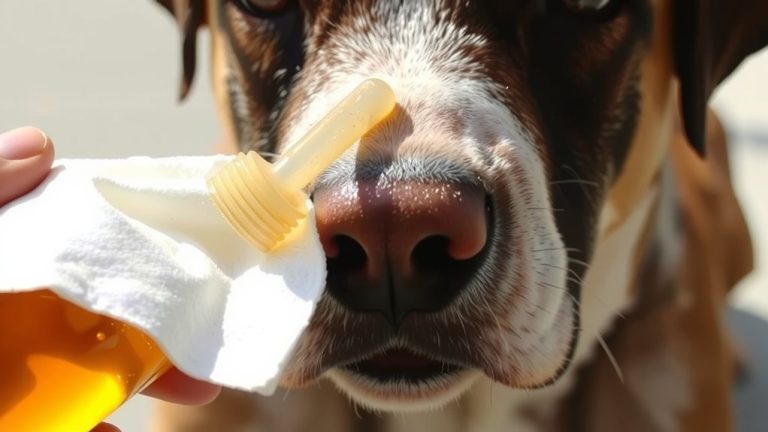
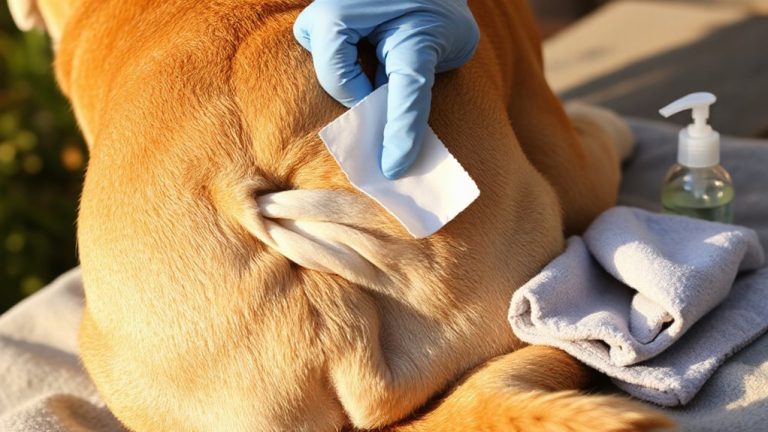
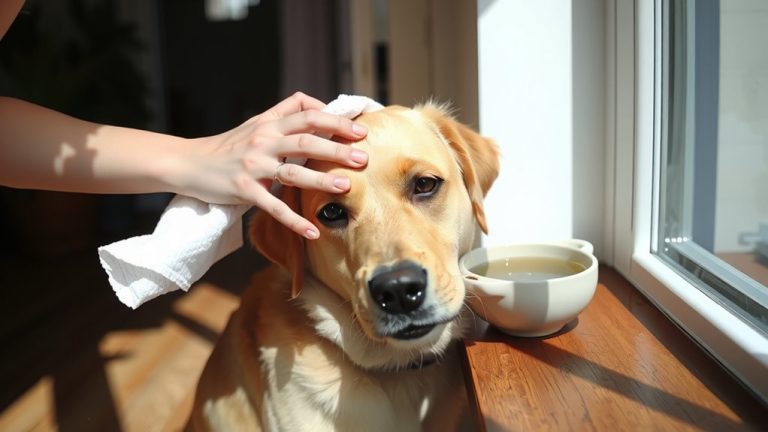
Once rinsing is complete, you can move on to carefully drying and wiping your pet’s face. Use gentle motions to avoid aggravating facial sensitivity. Choose a soft, non-abrasive cloth material such as microfiber or cotton. These fabrics minimize friction and reduce the risk of micro-tears in delicate skin. Avoid terrycloth or rough textures that may cause irritation.
| Feature | Recommendation |
|---|---|
| Cloth Material | 100% microfiber or organic cotton |
| Texture | Smooth, lint-free surface |
| Size | Minimum 8″ x 8″ for full coverage |
| Washability | Machine washable, no residues |
Inspect the cloth for debris before use. Dampen slightly if needed, but avoid excess moisture. Wipe in the direction of fur growth using light, consistent pressure. Maintain hygiene by using a fresh section of the cloth for each facial zone. Replace cloths regularly to prevent bacterial buildup.
Watch for Signs of Irritation or Injury
While your pet may seem calm after face cleaning, subtle signs of irritation or injury can still be present beneath the surface. Check for facial redness, which indicates inflammation from chemical contact. Redness often appears within minutes but may take up to 30 minutes to develop, especially with mild irritants. Swelling, squinting, or pawing at the face are behavioral cues of discomfort. Chemical burns may present as discolored, blistered, or ulcerated skin, requiring immediate attention. Unlike simple irritation, chemical burns penetrate deeper tissue layers and can cause permanent damage. Use a bright light and gentle restraint to inspect folds and creases around the eyes, nose, and lips. Do not apply ointments unless directed. Record symptom onset, progression, and severity to assist veterinary professionals. Early detection improves outcomes substantially. Monitor continuously for the next several hours.
Call Animal Poison Control Right Away
If you’ve checked for redness, swelling, or signs of chemical burns and suspect your pet has been exposed to a harmful substance, take action immediately by contacting Animal Poison Control. This step guarantees rapid emergency response and access to professional guidance. The ASPCA Animal Poison Control Center is available 24/7 at (888) 426-4435. Trained veterinarians provide evidence-based recommendations based on the chemical’s type, concentration, and exposure duration. Do not wait for symptoms to worsen-early intervention improves outcomes. Have the product label ready, including active ingredients and dilution ratios, to assist in risk assessment. Time is critical: delays reduce treatment efficacy. Professional guidance may include decontamination protocols or monitoring parameters, but never administer treatments without instruction. Immediate contact supports accurate triage, especially for neurotoxic or corrosive agents. Acting fast isn’t just cautious-it’s essential to your pet’s physiological stability and recovery prognosis.
See a Vet Even If Symptoms Seem Mild
Even when your pet appears stable, a visit to the veterinarian is non-negotiable after chemical exposure. Mild symptoms can mask internal damage or delayed reactions. A vet consultation guarantees early detection of complications like corneal erosion or chemical burns. Immediate professional assessment allows for diagnostic tests, including fluorescein staining to detect eye damage or pH testing of skin and mucous membranes. Some chemicals cause cellular injury without visible signs. Your vet may administer ophthalmic antibiotics, anti-inflammatories, or IV fluids based on exposure type. Delay increases risk of systemic absorption. Bring the chemical’s label for accurate identification. Do not wait for breathing changes, vomiting, or swelling. A professional assessment includes essential monitoring over 24–72 hours, even if your pet seems fine. Record symptoms, exposure time, and first-aid steps. Timely vet consultation improves prognosis markedly. Prevention includes secure storage of cleaning agents and pet-safe products.
On a final note
Rinse your pet’s face immediately with lukewarm water at 100–105°F (38–40°C). Flush continuously for at least 15 minutes to dilute chemical residues effectively. Use a clean, soft cloth to gently pat dry-avoid rubbing. Monitor closely for redness, swelling, or discharge. Contact Animal Poison Control without delay. Even mild symptoms require veterinary evaluation to prevent delayed tissue damage. Timely action improves outcomes considerably.