Glassy Eyes and Dull Responsiveness—Red Flags in Any Household Pet
Glassy eyes and dull responsiveness in your pet aren’t just signs of tiredness-they signal possible illness. Check gum color (should be pink), capillary refill time (normal: 1–2 seconds), and respiratory rate (15–30 breaths/min). A temperature outside 100.5–102.5°F, CRT over 2 seconds, or weakness warrants urgent care. Hypokalemia, dehydration, or environmental stress may impair neurological function. Persistent symptoms indicate metabolic, neurological, or systemic compromise. Further details reveal how early intervention improves outcomes.
Notable Insights
- Glassy eyes and dull responsiveness often signal underlying health issues like dehydration, malnutrition, or neurological distress.
- Check gum color, capillary refill time, and respiratory rate to assess your pet’s immediate health status.
- Persistent lethargy with glazed eyes may indicate metabolic imbalances, such as hypokalemia or hypoglycemia.
- Environmental stress, poor humidity, or extreme temperatures can trigger dull mentation and ocular dryness.
- Seek emergency care if your pet is unresponsive, has abnormal temperature, or shows labored breathing or collapse.
What Glassy Eyes and Lethargy Mean in Pets
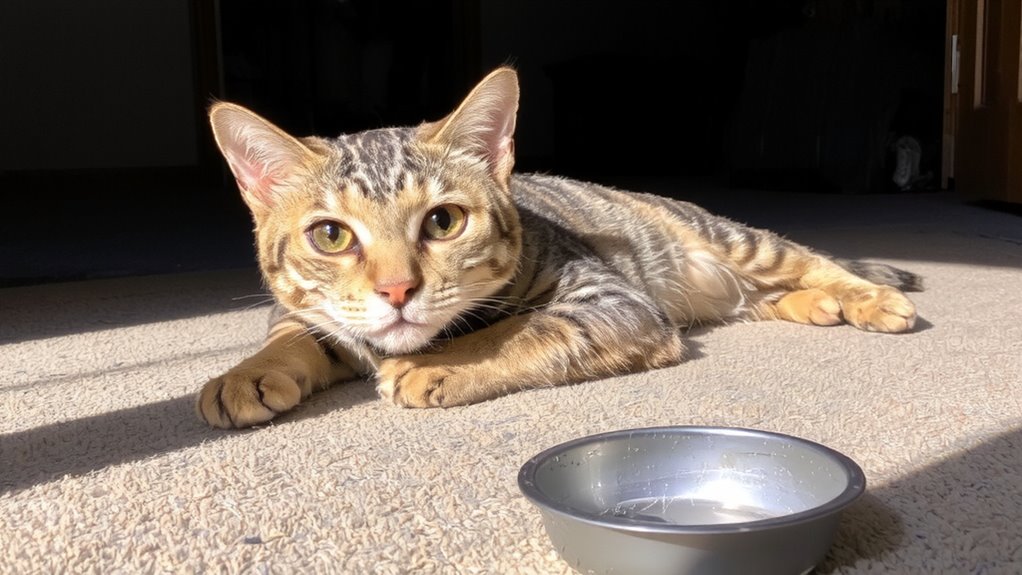
Lethargy and glassy eyes in your pet aren’t just signs of tiredness-they’re often red flags for underlying health issues. These symptoms frequently stem from a nutrition imbalance, such as insufficient protein, vitamin deficiencies, or improper hydration levels. For example, hypokalemia-low potassium-can depress nerve and muscle function, resulting in dull responsiveness. Environmental stress also plays a significant role; sudden changes in temperature, noise, or household routine can elevate cortisol, impairing normal behavior. Chronic stress alters neurotransmitter production, reducing activity and alertness. In birds, a drop in ambient humidity below 40% has been linked to ocular dryness, causing glazed eyes. Similarly, dogs exposed to prolonged low-light indoor environments may exhibit reduced pupillary response. Identifying these root factors-whether dietary inadequacies or habitat disruptions-is essential for restoring normal neurological and ocular function.
Check These Vital Signs Immediately
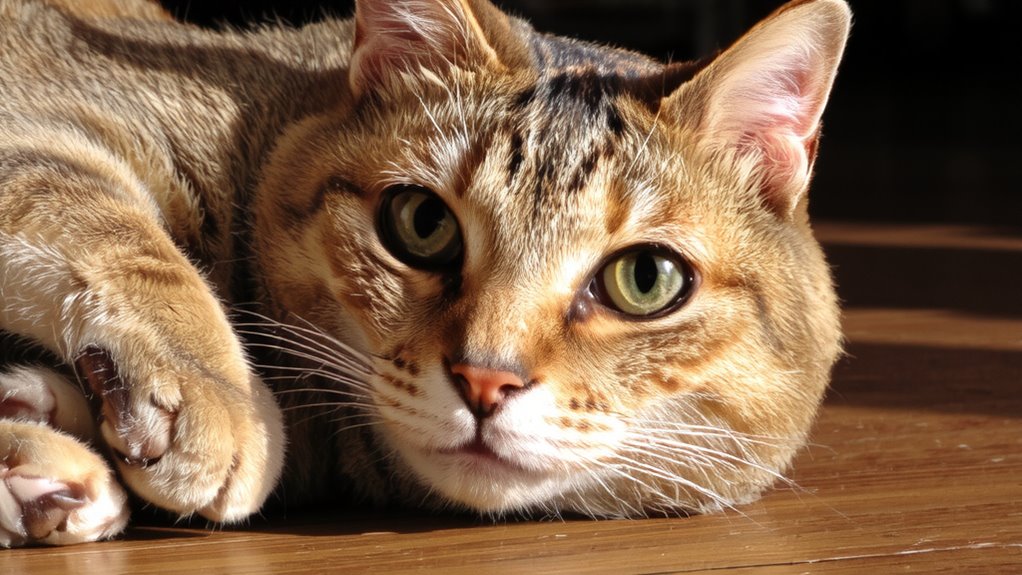
If you notice your pet’s eyes appear dull and their responses are slow, it’s time to act-start by checking core essential signs immediately. Assess breathing rate, gum color, and capillary refill time without delay. Abnormalities may signal underlying distress linked to fainting spells or drooling episodes.
| Essential Sign | Normal Range | Action if Abnormal |
|---|---|---|
| Respiratory Rate | 15–30 breaths/min (dogs), 20–30 (cats) | Monitor for labored breathing |
| Gum Color | Pink, moist | Pale, blue, or yellow requires vet care |
| CRT (Capillary Refill Time) | 1–2 seconds | >2 seconds indicates poor circulation |
Persistent drooling episodes or fainting spells demand urgent evaluation. Check temperature-normal is 100.5–102.5°F. Avoid assumptions. Document findings accurately. Share data with your veterinarian promptly to guide next steps. Immediate assessment improves outcomes markedly.
Common Causes of Pet Lethargy and Glazed Eyes
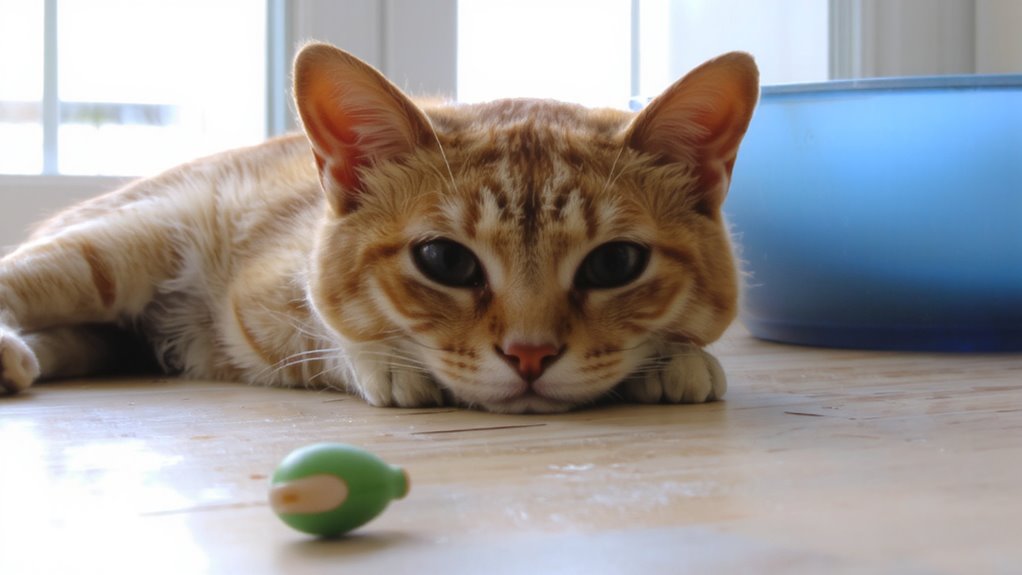
What could make your pet’s eyes appear glazed and their energy fade so suddenly? Diet changes can disrupt gastrointestinal and metabolic function, leading to nutrient imbalances or hypoglycemia. A sudden switch in food composition-especially reduced protein or electrolyte content-alters cellular energy production. Your pet’s liver and kidneys may struggle to adapt, elevating blood urea nitrogen (BUN) levels. Dehydration from inadequate water intake concentrates the blood, reducing ocular moisture and causing a glassy appearance. Environmental stress, such as loud noises or new household members, activates the hypothalamic-pituitary-adrenal axis, increasing cortisol. This suppresses immune response and metabolic efficiency. Prolonged stress diminishes mitochondrial ATP output, directly impairing muscle and neural activity. Temperature extremes in their habitat also impair thermoregulation, compounding lethargy. These physiological shifts mirror early systemic decline, detectable before overt symptoms arise. Monitoring dietary consistency and minimizing environmental stress supports baseline essentiality.
When to Rush to the Vet for Lethargy
A sudden shift in your pet’s behavior-like glassy eyes and sluggish responses-can signal more than just fatigue. Lethargy accompanied by weakness, unresponsiveness, or altered mentation demands immediate attention. Emergency timing is critical: if symptoms persist beyond a few hours or worsen, the risk of systemic illness increases. Consider core body temperature, gum color, and respiratory rate-deviations indicate urgent physiological imbalance. For example, a rectal temperature below 99°F or above 103.5°F in dogs and cats signals distress. Use pet triage protocols: assess responsiveness using the AVPU scale (Alert, Voice, Pain, Unresponsive). A drop to Pain or Unresponsive level requires emergency care. Neurological decline, collapse, or labored breathing mandates vet transport within 30 minutes. Do not wait. Early intervention improves prognosis. Recognize that time is a measurable factor in survival-delaying evaluation reduces treatment efficacy by up to 40% in acute cases.
What to Do Before the Emergency Visit
How can you stabilize your pet before reaching the vet? Begin by evaluating hydration levels-gently lift the skin at the back of the neck. If it doesn’t snap back within two seconds, dehydration is likely. Offer small amounts of fresh water or an electrolyte solution formulated for pets, like PetLytte or Rebound, every 10–15 minutes. Avoid force-feeding. Reduce environmental stress by placing your pet in a quiet, dimly lit room with a comfortable ambient temperature of 68–72°F. Remove loud noises and excessive handling. Use a non-slip mat to prevent injury if weakness is present. Monitor respiratory rate; normal is 15–30 breaths per minute. Keep the airway clear. Do not administer medications without veterinary instruction. These steps support essential functions and minimize further strain until professional care is available.
How to Spot Early Warning Signs Before Another Crisis
Stabilizing your pet during an emergency sets the stage for recovery, but anticipating future issues demands ongoing vigilance. You must monitor for subtle behavior changes, such as reduced activity, restlessness, or altered sleep patterns. These can signal neurological, metabolic, or systemic dysfunction. Watch for appetite shifts-sudden increases or declines in food intake often precede illness. A 15–20% drop in daily consumption over 48 hours warrants investigation. Use a digital scale weekly to track body weight; a 5% loss in one week indicates potential metabolic imbalance. Glassy eyes and dull responsiveness may reappear with delayed intervention. Check capillary refill time: press the gums firmly-normal refill is under two seconds. Environmental stressors, medication side effects, or organ decline can trigger recurrence. Early detection improves prognosis markedly. Top vet-recommended pet health trackers can provide continuous monitoring of vital signs and behavior patterns, helping catch abnormalities before they escalate.
On a final note
You must act immediately if your pet shows glassy eyes and reduced responsiveness. These signs often indicate systemic illness, dehydration, or neurological compromise. Check capillary refill time-press gently on the gums; color should return in under 2 seconds. Monitor respiration-normal rates range 10–30 breaths per minute in dogs, 20–30 in cats. Core body temperature below 99°F or above 103°F requires urgent veterinary intervention. Delay risks organ failure.