Adding Emergency Pet Cooling Vests to Your Heatwave Preparedness Kit
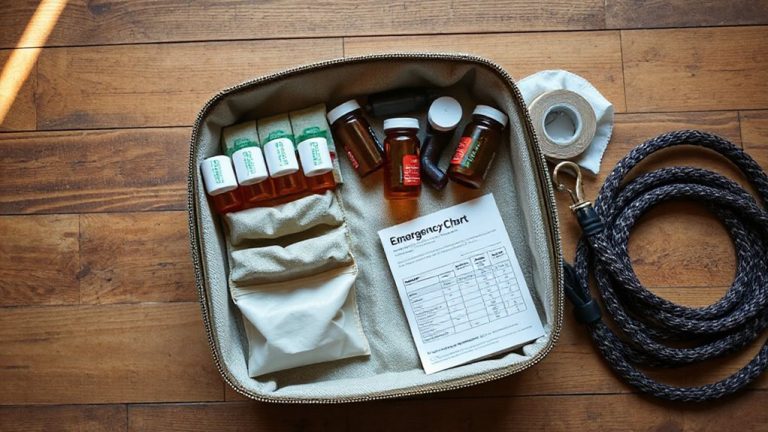
You should add an emergency pet cooling vest to your heatwave kit because dogs overheat quickly when temps exceed 85°F. Their sweat glands, mostly in paw pads, can’t keep up. Cooling vests use evaporative technology-soak for 3–5 minutes, then wear. Hydrogel beads retain water, cooling your dog’s surface 15–20°F for 2–4 hours. Lightweight, breathable designs with adjustable straps guarantee comfort and efficient heat exchange. Proper fit matters-measure chest and back. You’ll soon discover how integration with shade, hydration, and rest completes your pet’s thermal protection strategy.
Notable Insights
- Cooling vests use evaporative technology to lower a dog’s surface temperature by 15–20°F during heatwaves.
- Activate the vest by submerging it in water for 3–5 minutes to charge the hydrogel for 2–4 hours of cooling.
- Choose lightweight, breathable vests with adjustable straps for a secure, comfortable fit on your dog.
- Use cooling vests when temperatures exceed 85°F or during outdoor activity to prevent heatstroke.
- Pair vests with hydration, shade, and rest breaks for comprehensive heatwave safety and emergency preparedness.
Why Your Pet Needs a Cooling Vest in a Heatwave
When temperatures rise above 85°F, your pet’s natural cooling mechanisms like panting become less effective, increasing the risk of heat exhaustion. Heat retention in mammals escalates when ambient temperatures exceed body temperature, which for dogs is around 101–102.5°F. Unlike humans, dogs have limited sweat glands-mainly in their paw pads-making them highly vulnerable to overheating. Prolonged sun exposure further compounds thermal stress, especially for dark-coated or thick-furred breeds. Asphalt surfaces can reach up to 140°F at 90°F air temperature, radiating heat upward and increasing conductive heat gain. Cooling vests reduce core temperature by utilizing evaporative cooling technology. A typical vest weighs 12–16 oz, fits neck sizes 12–24 inches, and maintains effectiveness for 2–4 hours. They lower surface temperature by 15–20°F, mitigating risks associated with prolonged heat exposure. For optimal results, choose from the best pet cooling vests that are scientifically designed for efficient heat dissipation.
How Dog Cooling Vests Prevent Heatstroke
While your dog relies mostly on panting to regulate body heat, that method can quickly become overwhelmed in hot conditions, putting them at risk for heatstroke. Dog cooling vests help by providing external temperature control through evaporative cooling. When you soak the vest, its inner layer absorbs water and activates hydrogel beads. Hydrogel activation allows the material to retain moisture longer than standard fabrics, slowly releasing it over time. As air flows over the vest, water evaporates, drawing heat away from your dog’s body. This process can reduce surface temperature by up to 15–20°F for several hours. Unlike passive cooling methods, evaporative cooling actively lowers thermal load without electricity. The effect is similar to how sweat cools human skin. Properly activated, these vests offer consistent, measurable relief during heat exposure, markedly delaying core temperature rise and reducing heatstroke risk.
Key Features of Effective Pet Cooling Vests
A cooling vest only works as well as its design allows, and not all vests deliver the same level of performance. Material breathability guarantees air circulation, reducing heat retention and preventing skin irritation during prolonged use. Design ergonomics determine fit and range of motion, allowing your dog to move freely without chafing or restriction. Some cooling vests utilize the same cooling technology found in best cooling mats for dogs, providing consistent thermal relief through advanced gel or water-activated layers.
| Feature | Why It Matters |
|---|---|
| Material breathability | High airflow fabrics like mesh panels prevent overheating under the vest |
| Design ergonomics | Contoured cuts align with canine anatomy for secure, comfortable fit |
| Weight distribution | Balanced cooling across chest and back avoids strain on shoulders |
Choose vests with moisture-wicking linings and adjustable straps. Effective models use non-toxic, reusable cooling gel or absorbent inner layers that activate with water. Look for ultralight shells under 12 oz to avoid added thermal load. Proper airflow and structural fit directly impact your dog’s ability to regulate body temperature.
How to Use a Cooling Vest on Your Dog
Though proper design guarantees a cooling vest functions effectively, correct usage determines whether your dog actually benefits from it. Activate the vest by submerging it in cool water for 3–5 minutes, allowing the inner polymer gel to absorb moisture and initiate evaporative cooling. Once damp, wring it gently-excess water reduces thermal efficiency. Secure the vest snugly on your dog, ensuring contact with the back and sides, where heat exchange is most effective. Monitor skin condition; adjust fit to prevent chafing. Limit initial use to 30–60 minutes, then inspect for discomfort or overheating. Combine with hydration monitoring: offer water every 15–20 minutes during activity. Practice activity pacing-rest in shaded areas every 30 minutes to prevent core temperature spikes. The vest’s cooling effect typically lasts 2–4 hours, depending on ambient humidity and airflow. Re-soak as needed. For extended heat exposure, consider pairing the vest with a pet cooling mat to enhance thermal regulation during rest periods.
Choosing a Cooling Vest by Size and Breed
Selecting the right cooling vest starts with matching the size to your dog’s breed and body dimensions. A proper fit guarantees even cooling and unrestricted movement. Look for a breed specific design-some vests are tailored for deep-chested dogs like Boxers, while others suit narrow builds like Greyhounds. These designs account for chest girth, back length, and neck circumference. Size adjustability is essential; high-quality vests feature adjustable straps at the neck, chest, and belly for a secure, customized fit. Most models offer five to seven size ranges, with size adjustability spanning 2–4 inches per point of adjustment. Measure your dog accurately: around the widest part of the chest and along the back from base of neck to tail. Using these measurements, consult the manufacturer’s sizing chart. A well-fitted vest won’t shift during activity and allows space for two fingers beneath straps.
When to Use or Skip a Cooling Vest
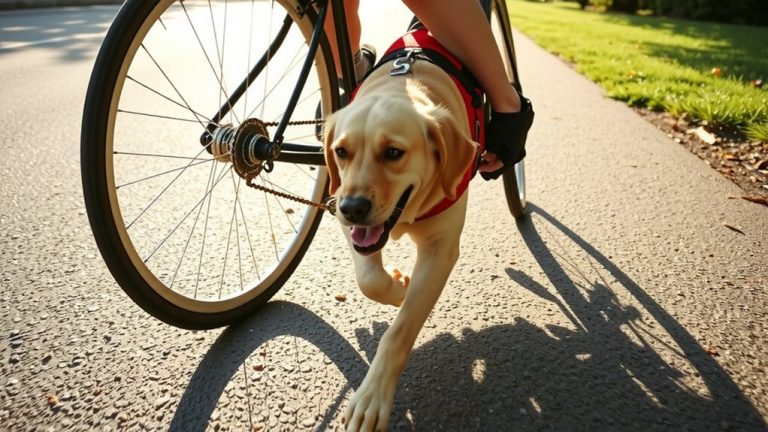
Cooling vests aren’t meant for all dogs or every hot day-knowing when to use one helps prevent overheating and guarantees your pet stays safe. Use a cooling vest when weather intensity exceeds 85°F (29°C) or during moderate to high activity level, such as walking, hiking, or working. Skip it in mild temperatures or during rest, as overcooling may cause discomfort.
| Weather Intensity | Activity Level | Use Vest? |
|---|---|---|
| < 85°F (29°C) | Low | No |
| > 85°F (29°C) | Moderate | Yes |
| > 90°F (32°C) | High | Yes |
| Any temp | Resting Indoors | No |
Vests work best in direct heat or sun exposure. Avoid extended use beyond manufacturer guidelines-typically 1–3 hours per activation. Always re-wet or re-activate as needed.
Building a Complete Heat Safety Plan for Pets
While a cooling vest can be a critical part of heat management, it’s just one component of a thorough plan to protect your pet from overheating. Effective heat safety requires consistent pet hydration-offer fresh water every two hours during heat exposure. Dehydration impairs thermoregulation, increasing heatstroke risk. Monitor water intake; dogs typically need 50–70 ml of water per kg of body weight daily, more in heat. Schedule outdoor exercise during cooler hours-before 7 a.m. or after 7 p.m.-when ambient temperatures are below 80°F (27°C). Surface temperatures above 125°F (52°C) can burn paw pads in 60 seconds. Use shaded, grassy routes. Limit activity duration to 20–30 minutes. Combine cooling vests with access to shade, airflow, and rest breaks every 10 minutes during exertion. Core body temperature above 104°F (40°C) requires immediate cooling intervention. A complete plan integrates prevention, monitoring, and rapid response.
On a final note
You need a cooling vest for your pet during heatwaves. It reduces body temperature by up to 10–15°F through evaporative cooling. Most vests use water-activated polymer crystals or phase-change materials that absorb heat. Fit matters-choose adjustable straps and breathable mesh for comfort. Use only in high heat; avoid in humidity above 80%, where evaporation drops below 30%. Combine with shade, hydration, and monitoring.