Behavioral Clues That Your Hamster Is Undergoing Severe Physical Stress
Your hamster is showing clear signs of severe physical stress if it’s hunched, lethargic, or avoiding contact. A hunched posture with an arched back suggests abdominal pain or spinal issues. Rapid breathing over 100 breaths per minute, squeaking during movement, or refusal to eat and drink within 24 hours are critical red flags. Sunken eyes, piloerection, and weight loss exceeding 10% point to dehydration or systemic illness. Immediate assessment can prevent rapid deterioration. Warning signs like these are not normal, and acting quickly could save its life-there’s more you need to know.
Notable Insights
- A hunched posture with an arched back often signals severe abdominal pain or spinal distress.
- Persistent lethargy and unresponsiveness, especially over 24 hours, indicate serious illness or hypothermia.
- Refusal to eat or drink for over 24 hours can lead to life-threatening hypoglycemia or hepatic lipidosis.
- High-pitched squeaks during movement or handling are clear signs of acute pain.
- Avoidance of contact, piloerection, and rapid weight loss reflect severe stress or underlying disease.
Signs Your Hamster Is in Physical Distress
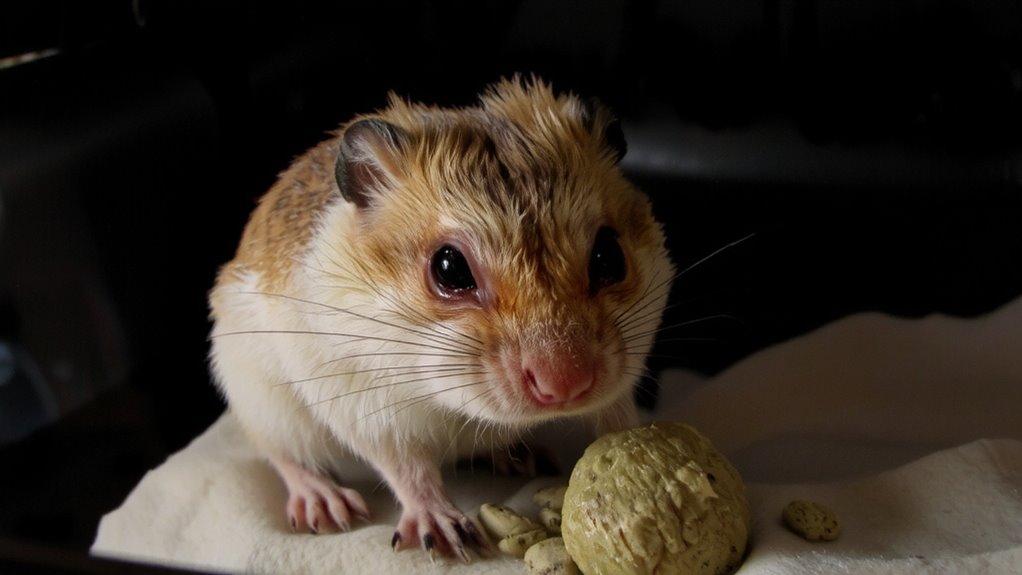
Physical distress in hamsters often shows through observable changes in movement, posture, or appearance. You may notice hunched posture, indicating abdominal discomfort. Bloating is a visible swelling of the abdomen, often from gastrointestinal obstruction or infection. The condition can progress rapidly, increasing intra-abdominal pressure and impairing respiration. Wet tail refers to severe infectious diarrhea, clinically known as proliferative ileitis. It causes foul-smelling, watery stool and damp perineal fur. This disease has a mortality rate exceeding 90% if untreated within 48 hours. Affected hamsters display piloerection, sunken eyes, and reduced body weight-often losing 15–20% in under a day. Body temperature may drop below 36°C (97°F), indicating systemic compromise. You should isolate affected animals immediately. Antibiotic treatment, like metronidazole at 20 mg/kg orally twice daily, is often required. Early detection improves prognosis markedly. Monitor hydration, abdominal distension, and stool consistency daily in at-risk individuals.
Lethargic and Not Moving? It Could Be Serious
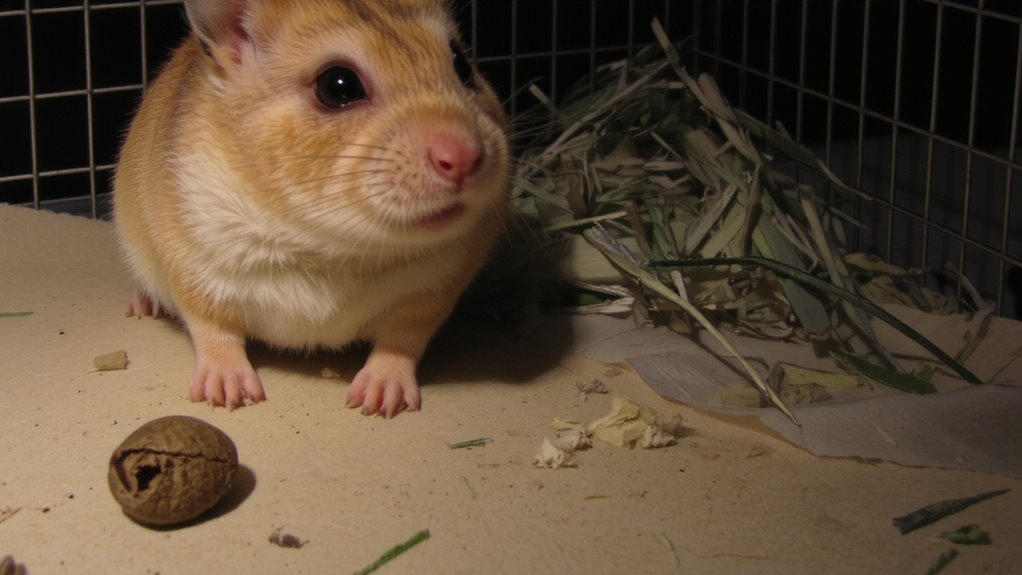
Why isn’t your hamster moving? Lethargy in hamsters often signals severe stress or illness. A cold environment-below 65°F (18°C)-can trigger hypothermia, slowing metabolic functions. Your hamster may become unresponsive, limbs stiff, breathing shallow. Poor bedding, such as dusty or low-absorbency materials, exacerbates heat loss and increases ammonia exposure, stressing respiratory and immune systems. Ideal bedding should be 2–3 inches deep, made of paper-based or aspen materials, providing insulation and moisture control. Check cage temperature regularly with a digital thermometer. Persistent inactivity for over 24 hours warrants immediate veterinary evaluation. Do not assume dormancy is hibernation-true hibernation is rare in Syrian hamsters and dangerous in dwarfs. Movement cessation combined with cold exposure or inadequate bedding demands urgent environmental correction and professional diagnosis. Every hour counts in preventing organ failure.
Hunched Over and Avoiding Contact
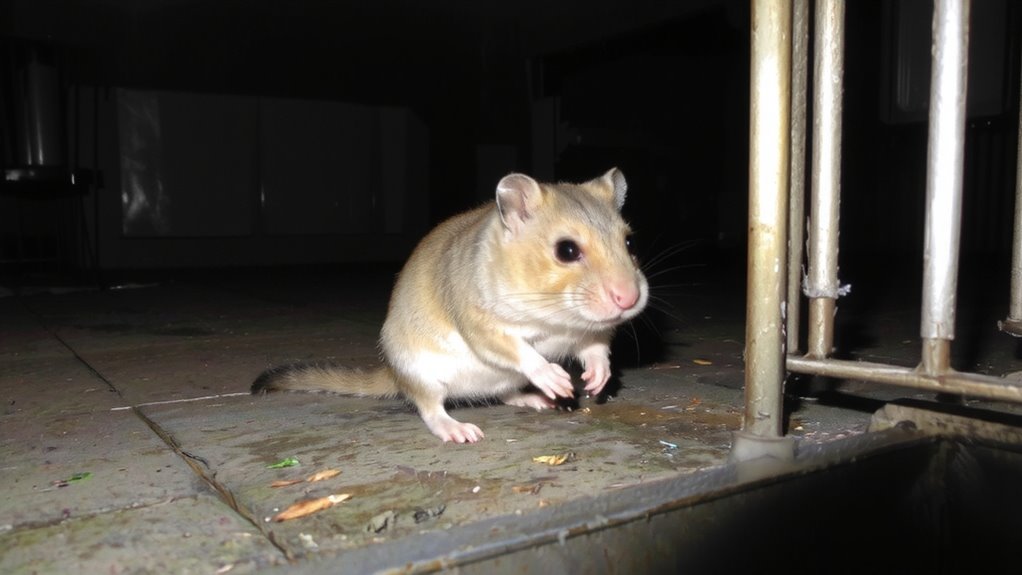
What could cause your hamster to sit hunched and withdraw from interaction? This posture often signals acute discomfort or chronic illness. A visibly arched back may indicate spine curvature, a structural issue affecting mobility and nerve function. You might notice reduced movement, reluctance to climb, or tense musculature. Hunched positioning frequently accompanies internal distress, such as gastrointestinal stasis or respiratory infection. Weight loss often follows, especially if the condition persists beyond 24–48 hours. Loss of more than 10% of body mass is clinically significant and warrants immediate evaluation. Avoiding contact is a survival behavior-your hamster feels vulnerable. While occasional stillness is normal, prolonged postural changes are abnormal. Monitor spine alignment and body condition daily. Any progressive curve or muscle atrophy demands veterinary assessment. This behavior, combined with weight loss, is a physiological alarm. Early detection improves intervention success.
Not Eating or Drinking? A Major Red Flag
If your hamster’s spine is arched and it’s pulling away from you, that alone is cause for concern-but when it stops eating or drinking, the situation escalates quickly. Loss of appetite is a critical indicator of underlying health issues, often linked to infections, dental problems, or organ failure. Hamsters require consistent caloric intake; missing even 24 hours of food can lead to hypoglycemia and hepatic lipidosis. Dehydration concerns are equally urgent-without water, physiological functions deteriorate within hours. A 100-gram adult hamster needs approximately 10 ml of water daily. Observe the water bottle valve for proper function and check for moistness around the nose and mouth. Dry mucous membranes and sunken eyes are clinical signs of fluid deficit. Monitor food stores and water consumption precisely. Sudden disinterest in food or water demands immediate veterinary assessment. Early intervention improves prognosis markedly.
Fast Breathing or Squeaking in Pain
Rapid respiration or high-pitched squeaks in your hamster often signal acute discomfort or illness. You may observe rapid respiration at over 100 breaths per minute, far exceeding the normal 30–60 breaths typical in resting adults. This elevated respiratory rate often accompanies pain vocalization, such as sharp squeaks during movement or handling. These sounds are behavioral biomarkers of distress, not mere annoyance. Pain vocalization in rodents is a well-documented response to internal or external injury, including fractures, infections, or gastrointestinal blockages. You should assess for signs of trauma, labored breathing, or abdominal rigidity. Elevated heart rate and shallow breathing may further confirm physiological stress. Do not dismiss these cues-quick intervention improves outcomes. Consult a veterinarian immediately, as delayed treatment can result in deterioration or death within hours. Accurate observation of respiratory patterns and vocal behaviors aids diagnosis.
Neglected Grooming and Constant Hiding
A hamster that stops grooming itself or hides constantly is likely experiencing significant stress or underlying illness. Neglected grooming leads to matted fur, especially around the tail, hips, and belly, indicating poor health. Matted fur restricts movement, traps moisture, and promotes skin infections. You’ll notice a dull, greasy coat instead of clean, smooth fur. Constant hiding suggests fear, pain, or neurological distress. Your hamster may remain in one sheltered spot for over 20 hours daily, avoiding interaction. Reduced activity includes less wheel running, minimal foraging, and delayed response to stimuli. Normal locomotor activity averages 3–5 miles nightly; stressed hamsters drop below 1 mile. Combine behavioral observations with physical checks. Inspect for weight loss, labored breathing, or fecal buildup. These signs require veterinary evaluation within 24 hours. Early intervention improves prognosis. Inadequate living conditions, such as cramped or poorly ventilated enclosures, can exacerbate stress, making the selection of an appropriately sized and well-designed mini hamster home crucial for overall well-being.
On a final note
You must act quickly if your hamster shows signs of severe stress. Lethargy, hunched posture, and rapid breathing indicate pain or illness. Reduced food and water intake can lead to dehydration within 24 hours. Neglected grooming and hiding suggest distress. These behaviors often signal underlying conditions like wet tail or respiratory infection. Immediate veterinary consultation improves survival rates. Monitor temperature-normal is 98–101°F. Early intervention is critical.