Preventing Secondary Infections in Chronic Sores on Diabetic Pets
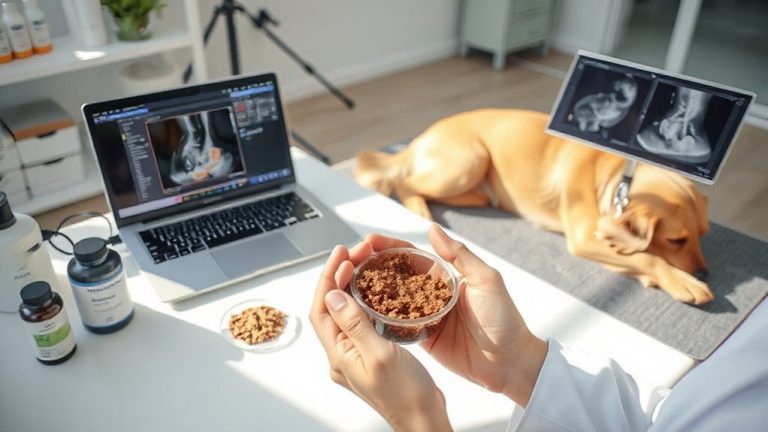
You must control blood sugar between 80–150 mg/dL to restore immune function and reduce infection risk. Hyperglycemia cuts neutrophil killing by up to 50%, so twice-daily glucose monitoring and precise insulin dosing are essential. Clean sores daily with sterile saline using a 10–20 ml syringe to disrupt biofilm. Use non-adherent dressings and change them every 12–24 hours. Monitor for expanding redness or pus. A structured care plan improves outcomes substantially.
Notable Insights
- Maintain blood glucose between 80–150 mg/dL to support immune function and wound healing.
- Clean wounds daily with sterile saline and use non-adherent, breathable dressings changed every 12–24 hours.
- Monitor for redness, swelling, pus, or foul odor, as these signal early infection.
- Use chlorhexidine wipes and sterile sprays to reduce microbial load around the wound.
- Seek immediate vet care if the sore expands, shows increasing discharge, or the pet becomes lethargic.
Why Diabetic Pets Get Wound Infections
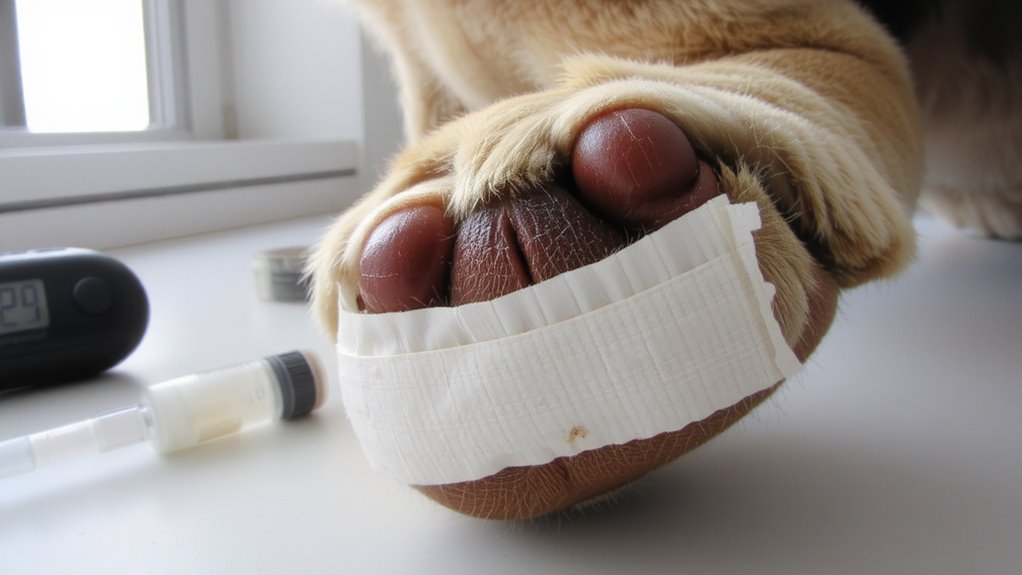
Although diabetes in pets disrupts glucose regulation, it’s the downstream effects on immune function and circulation that make wounds prone to infection. Immune suppression is a key factor-you’ll notice slower pathogen clearance due to impaired white blood cell mobility and phagocytosis. Neutrophil dysfunction reduces bacterial killing by up to 50% in hyperglycemic environments. Poor circulation further limits immune cell delivery, especially in distal tissues. Nerve damage, or diabetic neuropathy, compounds the problem by diminishing sensation. Your pet may not respond to trauma, allowing injuries to go unnoticed for days. Reduced nerve signaling also impairs local inflammatory responses necessary for early wound defense. These conditions create an ideal environment for opportunistic pathogens like Staphylococcus pseudintermedius. Biofilm formation occurs 3× faster in diabetic wounds, increasing infection resistance. Combined, immune suppression and nerve damage markedly elevate infection risk in even minor wounds.
How High Blood Sugar Slows Healing
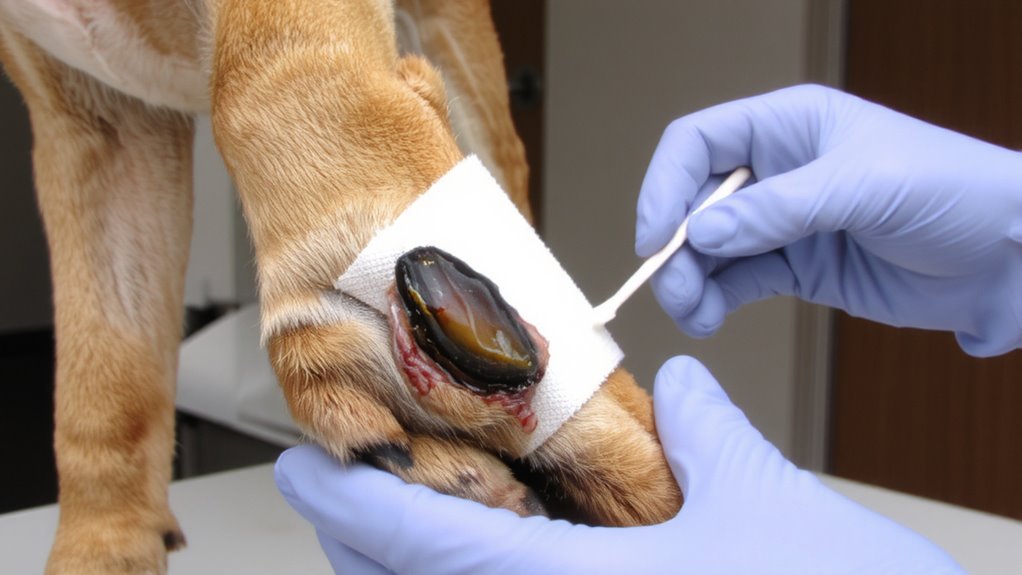
When blood sugar stays high, healing slows because excess glucose interferes with multiple stages of tissue repair. High glucose levels impair white blood cell function, leading to immune suppression-your pet’s body can’t fight off invaders effectively. Neutrophil chemotaxis and phagocytosis drop by up to 75% in hyperglycemic conditions. You’ll also see prolonged inflammation increase, disrupting the shift from inflammatory to proliferative healing phases. Excess glucose binds to proteins non-enzymatically, forming advanced glycation end-products (AGEs), which stiffen capillary walls and reduce blood flow. Microcirculation diminishes, depriving tissues of oxygen and nutrients. Collagen production drops, weakening tissue regeneration. Angiogenesis slows by 40–60% in uncontrolled diabetes. These changes create a permissive environment for pathogens. Healing isn’t just delayed; it’s fundamentally compromised at the cellular level, making effective glucose control essential for recovery.
Signs of Infection in Diabetic Pet Sores
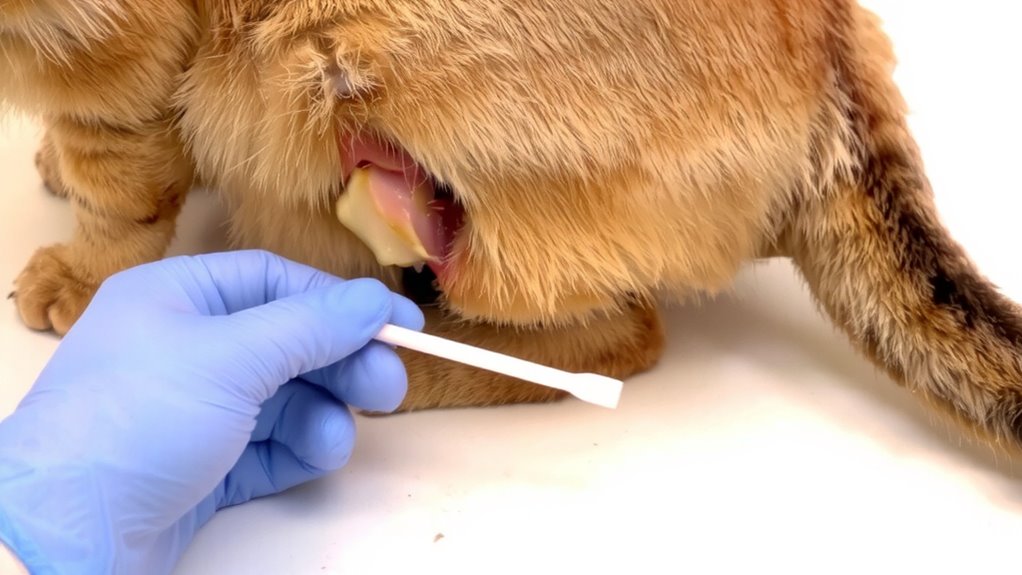
A sore on your diabetic pet’s skin can quickly become a serious health concern if infection sets in. You should inspect the wound daily for redness, swelling, or warmth-early markers of inflammation. Pus discharge is a key sign; it often appears yellow, green, or white and may be thick or viscous. This exudate results from white blood cells battling bacteria at the site. A foul odor accompanies advanced bacterial colonization, especially from anaerobic microbes metabolizing tissue. The smell is distinct from normal wound odor-sharp, rancid, and persistent. Increased pain or reluctance to move may indicate deeper tissue involvement. The sore may expand beyond its original borders, signaling progressive infection. Monitor for fever, though it’s not always present in diabetic animals due to compromised immune responses. Early recognition of these clinical signs improves treatment outcomes markedly.
When to Call the Vet: Red Flags and Next Steps
You’ve noticed changes in your pet’s sore-maybe it’s getting redder, larger, or smellier-and now it’s time to decide when professional help is necessary. Watch for emergency symptoms: increasing swelling, pus-like discharge, foul odor, or sudden lethargy. These signs suggest worsening infection. Diabetic pets have impaired healing; delays can lead to systemic illness. If the sore exceeds 2 cm in diameter or shows expanding erythema, seek immediate care. Fever above 103°F (39.4°C) or refusal to eat are additional red flags. Do not wait-early intervention prevents complications. Veterinary assessment may include wound cultures and blood glucose evaluation. Treatment often involves antibiotics, debridement, or insulin adjustment. Immediate care improves outcomes considerably. Prompt action reduces risk of sepsis or limb-threatening damage. Trust your observation. When in doubt, call the vet-it’s better to be proactive than to risk progression. Maintaining a clean environment with a pet-safe air freshener can help reduce airborne irritants during recovery.
How to Clean and Monitor Sores Daily
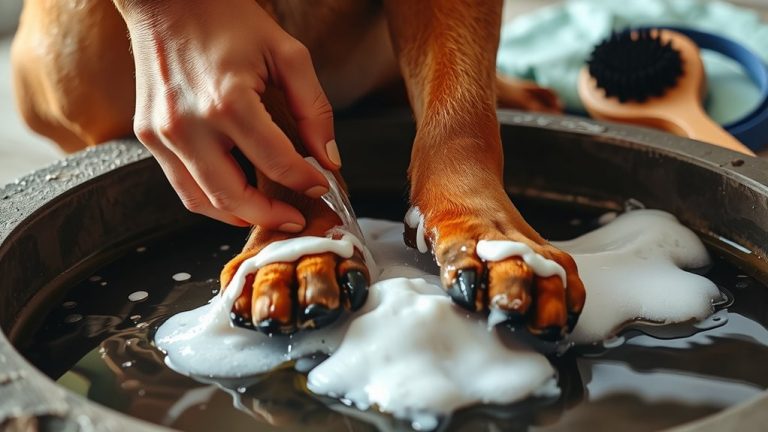
Though healing begins with proper care, consistent daily cleaning and monitoring are essential to prevent secondary infections in diabetic pets. Begin each day with wound irrigation using sterile saline solution to remove debris and reduce bacterial load. Use a 10–20 ml syringe with a soft catheter tip for controlled irrigation pressure, avoiding tissue trauma. Gently pat the area dry with sterile gauze. Inspect for changes in color, odor, or discharge-early signs of infection. Perform bandage rotation every 12 to 24 hours to prevent moisture buildup and skin maceration. Use non-adherent primary dressings with breathable secondary wraps. Guarantee each new dressing adheres properly without constriction. Monitor temperature and swelling daily with a digital thermometer and measuring tape. Consistent technique supports healing. Log findings to track progress.
Best Wound Cleaning Supplies for Diabetic Pets
Choosing the right supplies makes all the difference when cleaning wounds in diabetic pets. Use sterile saline sprays to gently flush debris from sores without damaging tissue. Each spray delivers a buffered, isotonic 0.9% sodium chloride solution at pH 7.4, minimizing irritation. Apply 3–5 ml per square inch of wound surface twice daily. Avoid alcohol-based products-they delay healing. Instead, use hypoallergenic antibacterial wipes containing chlorhexidine gluconate 2%. These reduce microbial load by 99.7% within 30 seconds of contact. Wipe in one direction, using a fresh section for each pass to prevent cross-contamination. Gauze pads (2” x 2”) work best for drying after cleansing. Store supplies in a cool, dry place to preserve efficacy. Proper tools guarantee consistent debridement and reduce infection risk during home care. Your diligence keeps complications at bay.
How Glucose Control Speeds Wound Healing
Ideal glucose control is the cornerstone of efficient wound healing in diabetic pets. When blood sugar stays within the target range of 80–150 mg/dL, tissue repair accelerates. Glucose monitoring allows you to track these levels accurately, typically via handheld pet-specific glucometers that require just 0.3 μL of blood. Consistent insulin management guarantees steady delivery of insulin, using protocols tailored to your pet’s weight and metabolism-most dogs need 0.5–1.0 IU/kg every 12 hours. Uncontrolled glucose impairs neutrophil function and delays collagen synthesis, increasing infection risks. With precise insulin dosing and twice-daily glucose monitoring, you maintain metabolic stability. This stability supports angiogenesis and fibroblast proliferation, critical for granulation tissue formation. Think of glucose control as resetting the wound environment from hostile to healing. Proper control doesn’t just prevent secondary infections-it actively speeds recovery.
On a final note
You must control blood glucose to prevent secondary infections in chronic sores. Tight regulation accelerates healing by restoring immune function and collagen synthesis. Clean wounds daily with sterile saline and 2% chlorhexidine, avoiding cytotoxic agents. Use non-adherent dressings like silicone mesh every 12–24 hours. Monitor for erythema, purulence, or increased warmth-signs requiring immediate veterinary culture and sensitivity testing.