How to Create a Diet Plan for Pets Recovering From Antibiotic Treatment
Support your pet’s recovery by feeding probiotic-rich foods like plain, full-fat yogurt with live active cultures (e.g., *Lactobacillus acidophilus*, *Bifidobacterium lactis*) providing over 1 billion CFUs per serving. Give 1–2 teaspoons daily for cats and small dogs, 1 tablespoon for large dogs. Introduce gradually over 72 hours. Combine with bone broth-1–2 oz per 10 lbs, twice daily-for hydration and gut lining support. Use this protocol to restore microbial balance, then adjust the diet to include prebiotic fibers like beet pulp (2–4%) for sustained recovery. Key steps follow.
Notable Insights
- Introduce probiotic-rich foods like plain yogurt with live cultures to restore beneficial gut bacteria after antibiotic use.
- Gradually transition back to regular diet over 5–7 days, increasing normal food by 25% daily.
- Avoid treats and new ingredients that disrupt digestion; keep treats under 5% of daily calories.
- Feed easily digestible foods such as bone broth and plain proteins to support gut healing and hydration.
- Include prebiotic fiber like beet pulp or psyllium to promote SCFA production and microbiome recovery.
Feed Probiotic-Rich Foods to Restore Gut Balance
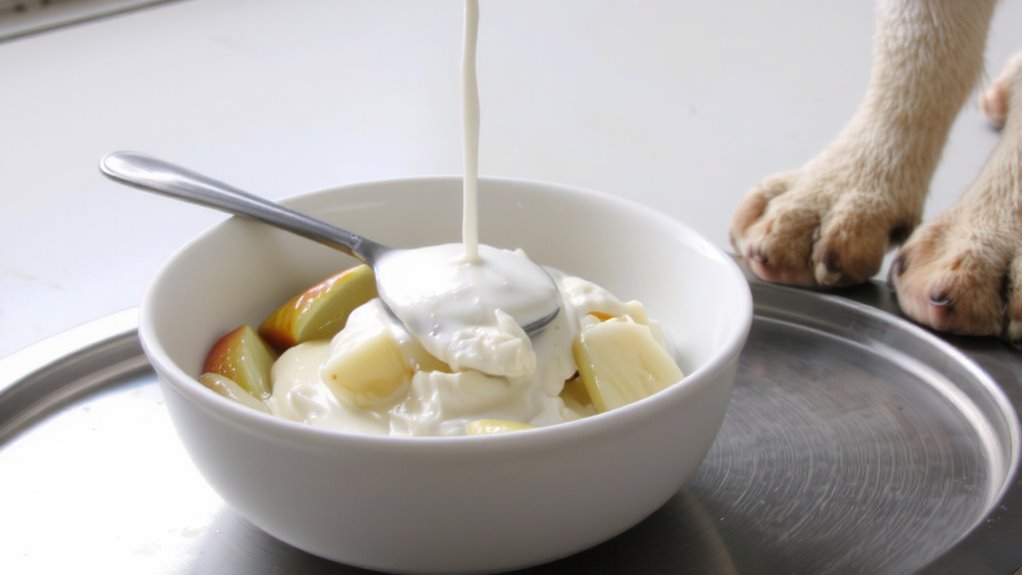
Gut health. You must restore your pet’s intestinal balance after antibiotics. Administer probiotic-rich foods to repopulate beneficial gut flora. Fermented foods contain live microbes that support microbiome recovery. Offer small portions-1 to 2 teaspoons daily for cats and small dogs, 1 tablespoon for large dogs. Introduce gradually over 72 hours to minimize digestive upset. Natural yogurt is an effective probiotic source if free of sweeteners, preservatives, and xylitol. Choose plain, full-fat varieties with live active cultures like Lactobacillus acidophilus and Bifidobacterium lactis. Guarantee colony-forming units (CFUs) exceed 1 billion per serving. These strains aid lactose digestion and inhibit pathogenic bacteria. Probiotics improve nutrient absorption and strengthen intestinal barrier function. Maintain consistent feeding for 10 to 14 days post-antibiotic treatment. Do not exceed recommended amounts. Monitor stool consistency and appetite. For dogs prone to yeast infections, consider probiotic strains such as Saccharomyces boulardii which support immune function and help maintain microbial balance.
Safely Transition Back to Your Pet’s Normal Diet
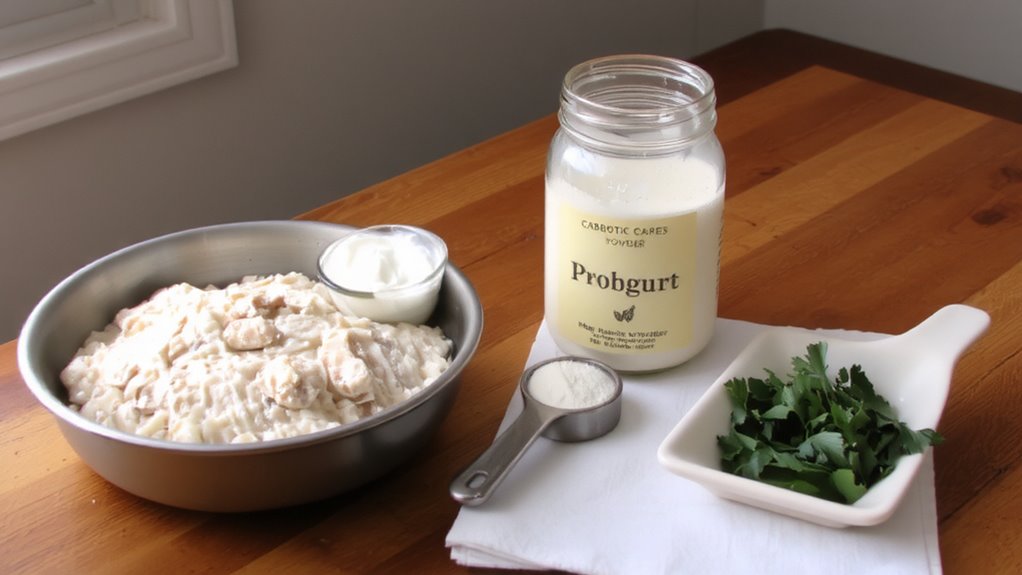
Once your pet has completed the post-antibiotic probiotic phase, you can begin shifting them back to their regular diet. Gradual reintroduction over 5 to 7 days minimizes digestive upset and supports microbial stability. Start by mixing 25% of their normal food with 75% of the recovery diet. Increase the proportion of regular food by 25% daily while decreasing recovery food accordingly. Maintain consistent meal timing and portion sizes to preserve meal consistency, which regulates gut motility and nutrient absorption. Sudden changes can disrupt the stabilized microbiome, potentially causing diarrhea or reduced appetite. Monitor stool quality and energy levels closely; firm, well-formed stools indicate successful adaptation. For pets with sensitive systems, extend the shift to 10 days. Always use unaltered kibble or raw portions from their original diet-avoid adding new ingredients during this phase. This method guarantees a predictable metabolic environment, supporting sustained recovery without stress.
Avoid These Common Recovery Diet Mistakes
| Mistake | Consequence |
|---|---|
| Overfeeding treats | Alters GI motility, increases fat load |
| Ignoring fiber needs | Reduces SCFA production, slows healing |
Adjust caloric intake to 10–15% below maintenance levels. Use treats less than 5% of daily calories. Prioritize fiber sources: 2–4% beet pulp or psyllium in diet.
Hydrate and Soothe With Easily Digestible Foods
Recovery begins with what you feed your pet after antibiotics disrupt their digestive balance. Provide easily digestible foods to support gut healing and prevent further irritation. Bone broth is an excellent choice-rich in collagen and amino acids like glycine, it soothes the intestinal lining and supports hydration. Simmer organic bones for 12–24 hours to extract nutrients, then cool and remove fat. Offer 1–2 oz per 10 lbs of body weight twice daily. Pair with plain yogurt containing live active cultures; it delivers probiotics that help restore microbial balance. Use only yogurt with no added sugars or flavors-1 tablespoon per 20 lbs of body weight is sufficient. These foods are gentle, nutrient-dense, and promote mucosal repair. Hydration and digestibility are critical during recovery. Stick to bland, simple ingredients to maximize gut comfort and nutrient absorption.
How Antibiotics Disrupt Your Pet’s Digestive System
Your pet’s digestive system relies on a delicate balance of beneficial bacteria, and antibiotics can unintentionally disturb this equilibrium. Antibiotics don’t distinguish well between harmful and beneficial bacteria, leading to a disrupted gut microbiome. This imbalance often reduces microbial diversity, which is critical for digestive stability. When the gut microbiome is compromised, your pet’s ability to break down food and extract nutrients declines. This directly impairs nutrient absorption, especially of B vitamins, fatty acids, and amino acids. Without efficient absorption, your pet may experience lethargy, weight loss, or dull coat condition. Short-term diarrhea is common; long-term issues may include immune dysregulation. Think of the gut microbiome as a complex ecosystem-remove key species, and the whole system falters. Restoring balance requires targeted nutritional support. Probiotics, prebiotic fibers, and easily digestible proteins help reestablish microbial populations and improve digestive function efficiently. For dogs dealing with yeast overgrowth or allergic reactions, incorporating the best probiotics for dogs can further support gut and immune health during recovery.
On a final note
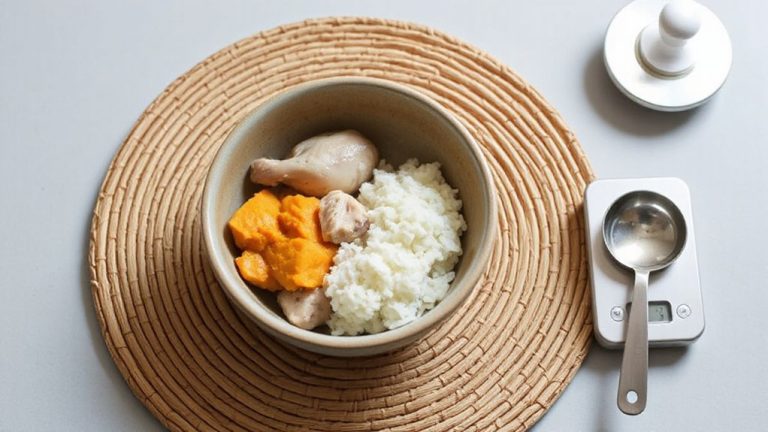
Your pet’s gut recovery begins now. Antibiotics disrupt microbial balance, reducing beneficial bacteria by up to 70%. Introduce probiotics with at least 1 billion CFUs daily to replenish flora. Feed easily digestible foods like boiled chicken and white rice for 3–5 days. Gradually shift to regular diet over 7 days, mixing increasing portions of normal food. Avoid high-fat or sugary treats. Guarantee constant access to fresh water-hydration supports mucosal healing. Monitor stool consistency closely; return to normal indicates recovery progress.