The Importance of Gradual Fiber Increase to Prevent Gas in Dogs
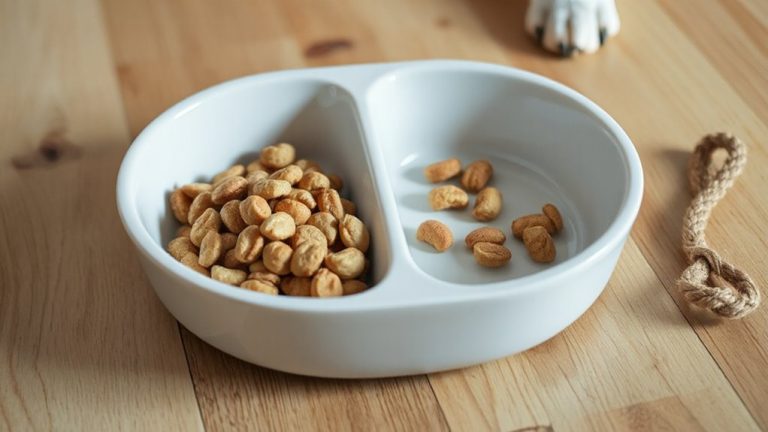
Switching your dog’s diet too quickly causes gas because their short digestive tract and limited gut bacteria can’t handle sudden fiber spikes. Canines need 7–10 days to adapt, as their microbiome slowly adjusts to ferment new fibers. Exceeding 10% fiber dry matter overwhelms digestion, leading to bloating. Gradually increase fiber by 10% daily using low-FODMAP sources like pumpkin (7% dry matter fiber) or sweet potatoes. This controlled approach minimizes fermentation and gas. Discover safer ways to balance your dog’s fiber intake.
Notable Insights
- Sudden fiber increases disrupt a dog’s short digestive tract and limited fermentation capacity, leading to gas and bloating.
- Gradual fiber introduction over 7–10 days allows the gut microbiome to adapt and minimizes gastrointestinal distress.
- Dogs have fewer fiber-fermenting bacteria than humans, making slow transitions essential for digestive tolerance.
- Starting with 10% fiber-rich food and increasing incrementally helps prevent sudden motility issues and excess gas production.
- Soluble fibers like pumpkin and sweet potatoes ferment slowly and are less likely to cause gas when introduced gradually.
Why Diet Changes Make Dogs Gassy
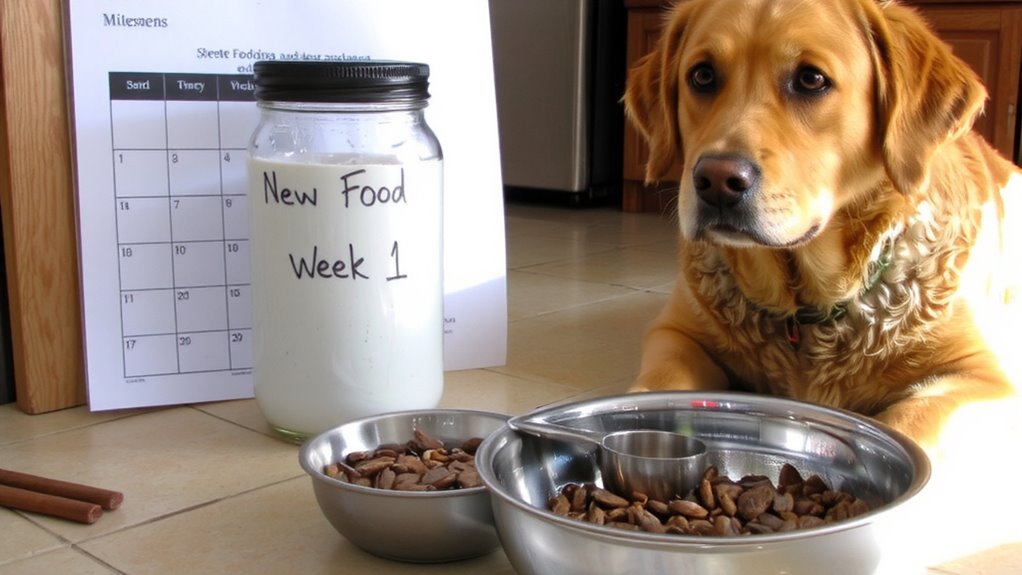
Why does your dog get so gassy after a diet change? Sudden shifts disrupt your dog’s digestive sensitivity. Their gut microbiome requires time to adjust to new nutrients. Abrupt introduction of different fibers or proteins triggers fermentation, producing excess gas. This often results from ingredient intolerance, where the dog’s system can’t properly break down certain components. For example, lactose or plant-based fillers commonly cause bloating and flatulence. The gastrointestinal tract responds with increased motility and gas release. Enzymatic activity lags when novel ingredients appear. Shifting over 7–10 days minimizes distress. Start with 25% new food mixed into 75% old. Gradually increase the proportion every two days. This allows microbial adaptation. Dogs with known sensitivities need even slower shifts. Monitor stool quality and gas levels. Consistency in digestion improves with gradual changes. Preventative pacing supports long-term gut health.
Is Your Dog Struggling With Too Much Fiber?

Could your dog’s digestive troubles stem from an overload of fiber? Excessive fiber can trigger symptoms like bloating, gas, and loose stools. Dogs with digestive sensitivity may struggle to process high-fiber diets efficiently. Unlike humans, canine gastrointestinal tracts are shorter, limiting fermentation capacity. Soluble fiber, when overfed, draws water into the colon-sometimes increasing stool volume by up to 30%. Insoluble fiber, if introduced too quickly, disrupts motility. Watch for signs of ingredient intolerance, such as mucous in stool or excessive flatulence. These reactions suggest the current diet exceeds your dog’s tolerance threshold. Fiber intake above 10% dry matter in commercial food may overwhelm sensitive systems. Adjustments should be made逐步, reducing fiber content gradually while monitoring output. Always assess fecal consistency and energy levels. Persistent issues may require veterinary diagnostic testing to rule out underlying conditions.
Why Dogs Can’t Handle Fiber Like Humans
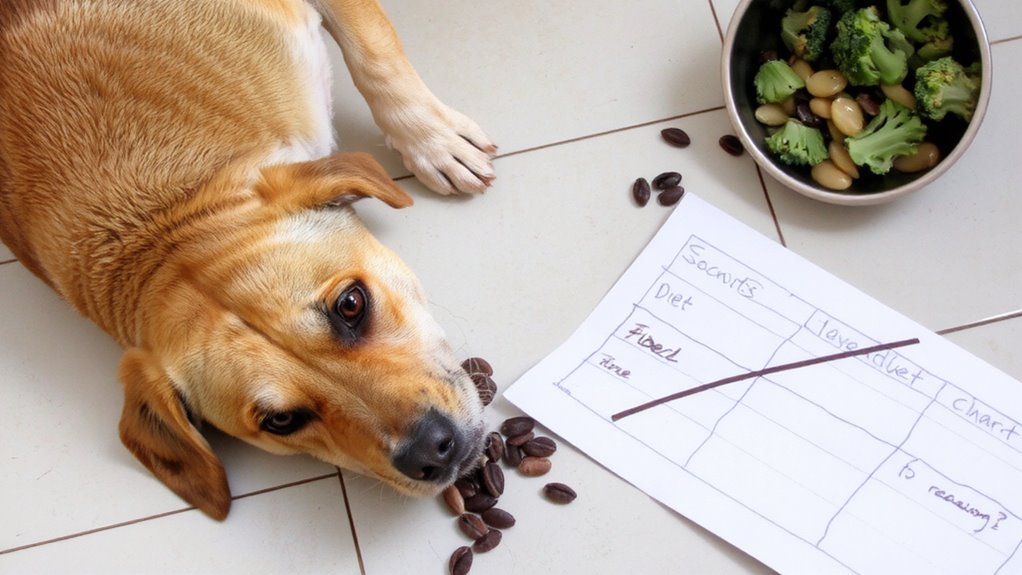
Digestive anatomy shapes how your dog processes fiber. Unlike humans, dogs have a shorter gastrointestinal tract, limiting their ability to break down complex plant matter efficiently. Their gut microbiome contains fewer fiber-fermenting bacteria, reducing tolerance to sudden fiber increases. Rapid changes can overwhelm microbial populations, leading to gas and discomfort.
| Feature | Humans | Dogs |
|---|---|---|
| Digestive tract length | Long (avg. 20-25 ft) | Short (avg. 6-9 ft) |
| Primary diet type | Omnivore | Carnivore-leaning |
| Gut microbiome | High in fiber fermenters | Lower fiber adaptation |
Your dog’s digestive anatomy isn’t built for high-fiber loads. Introducing fiber gradually supports microbiome balance, minimizing gas and digestive upset.
Best Fiber Foods That Won’t Cause Gas
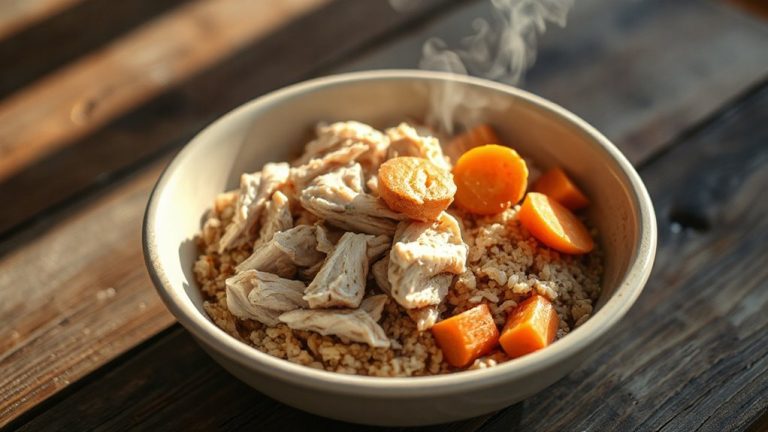
Start by choosing fiber sources that match your dog’s digestive capabilities. Sweet potatoes offer soluble fiber with 3 grams per 100 grams, promoting firm stools without fermentative byproducts that cause gas. Their low FODMAP content minimizes intestinal distension. Pumpkin benefits include a 2.8:1 ratio of soluble to insoluble fiber, supporting colonic motility regulation. With only 0.5 grams of fat per 100 grams, canned pumpkin reduces gastrointestinal irritation risk. Fiber concentration averages 7% dry matter basis, making dosing precise at 1–2 teaspoons per 10 lb body weight. Unlike legumes or bran, these options produce minimal short-chain fatty acids during fermentation, limiting gas formation. Always use plain, cooked sweet potatoes and 100% pure pumpkin-no additives. Their digestibility exceeds 85%, meaning less residue enters the colon. This lowers bacterial fermentation volume, reducing flatulence risk while maintaining bowel health.
How to Add Fiber Without the Farts
A gradual approach to fiber integration nearly eliminates gas-related issues in dogs. Begin by introducing fiber slowly over 7–10 days, adjusting fiber timing to align with your dog’s feeding schedule. Start with 10% fiber-rich
food blended into their current diet, increasing by 10% daily. This method, called food blending, guarantees digestive adaptation. Use soluble fibers like pumpkin or psyllium, which ferment slowly and reduce gas production. Monitor stool quality and consistency-firm, well-formed stools indicate proper tolerance. Avoid abrupt changes, which disrupt microbial balance. Ideal fiber intake should not exceed 7–10% of dry matter in homemade diets. Precision in portioning and consistent fiber timing support colonic health. Food blending with low-fermentation fiber sources minimizes bloating. This structured, incremental process optimizes digestion while maintaining dietary efficacy and comfort for your dog.
Mistakes That Make Dog Gas Worse (And Fixes)
Adding fiber too quickly or choosing the wrong type can undo the progress you’ve made in minimizing your dog’s gas. Sudden increases in fiber disrupt microbial balance in the colon, triggering fermentation and gas. Use soluble, fermentable fibers like psyllium or pumpkin, introducing them at 1–2% of total daily rations over 7–10 days. Avoiding table scraps is critical-human foods often contain fats, spices, or lactose that exacerbate intestinal fermentation. High-fat meals delay gastric emptying, increasing fermentation time by up to 30%. Managing meal frequency helps stabilize digestive motility. Feed two to three evenly spaced meals daily rather than one large feeding to reduce intestinal transit time irregularities. Large, infrequent meals increase colonic retention, boosting gas-producing bacterial activity. Guarantee consistent fiber sources and monitor stool quality-ideal consistency is firm but pliable. Replace suspect ingredients methodically, not simultaneously, to isolate triggers effectively.
When Gas Means It’s Time to See the Vet
Could your dog’s gas be more than just a digestive annoyance? Excessive flatulence accompanied by abdominal pain may signal an underlying condition. While occasional gas is normal, persistent or worsening symptoms require evaluation. If your dog shows signs of discomfort, bloating, or changes in appetite or stool, consult your veterinarian. Excessive flatulence with abdominal pain can indicate gastrointestinal obstruction, pancreatitis, or infection. Diagnostic tests may include blood work, fecal exams, or abdominal ultrasound. Sudden onset with lethargy or vomiting demands immediate care. Dietary intolerances or rapid fiber changes can contribute, but pathologic causes must be ruled out. Never dismiss chronic gas as harmless. Early intervention improves outcomes. Monitor frequency, odor, and behavior. When in doubt, seek veterinary assessment to guarantee your dog’s digestive health remains on track.
On a final note
You must increase your dog’s dietary fiber gradually to avoid gas. Sudden changes disrupt microbial balance in the colon, leading to excessive fermentation and bloating. Aim for no more than a 10% fiber increase every 72 hours. Soluble fibers like pumpkin or psyllium absorb water and form a gel, reducing transit time without increasing gas. Insoluble fibers, such as cellulose, add bulk but may cause flatulence if introduced too quickly. Monitor stool quality-optimal consistency is firm, moist, and log-shaped.