Learned Helplessness Prevention Through Effective Training Methods in Pet Care
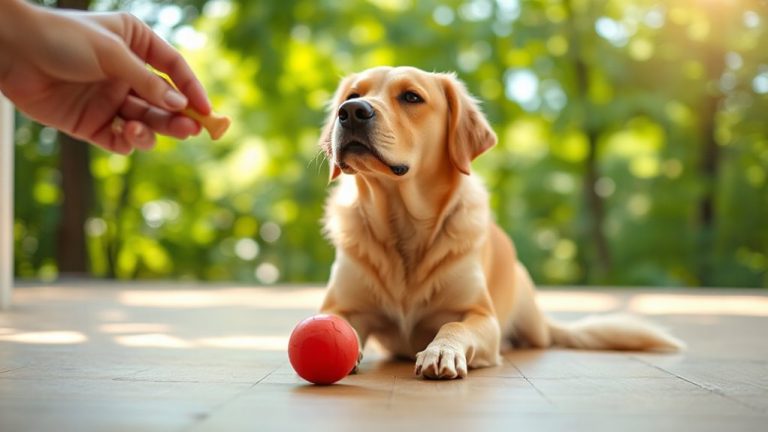
You can prevent learned helplessness in pets through consistent, positively reinforced training. Use immediate rewards-within 1–2 seconds-to boost learning efficiency by up to 70%. Offer structured choices to reduce cortisol by 25–40% and maintain cognitive engagement. Train in 5–7 minute sessions, 3–4 times daily, using one-word cues with 0.5–1 second timing. Avoid harsh corrections; they increase fear and accelerate shutdown. Small, achievable tasks strengthen neural reward pathways. A diet rich in omega-3s, vitamin E, and selenium supports long-term resilience. Continue exploring effective strategies to optimize your pet’s mental health and behavioral outcomes.
Notable Insights
- Use immediate positive reinforcement (within 1–2 seconds) to strengthen learning and prevent helplessness.
- Offer consistent, clear one-word cues with minimal delay to reduce confusion and stress.
- Structure training with small, achievable tasks to build confidence and reduce stress biomarkers.
- Provide choice and autonomy during training to enhance engagement and lower cortisol levels.
- Incorporate environmental enrichment and mental stimulation to support cognitive health and prevent disengagement.
What Is Learned Helplessness in Pets?
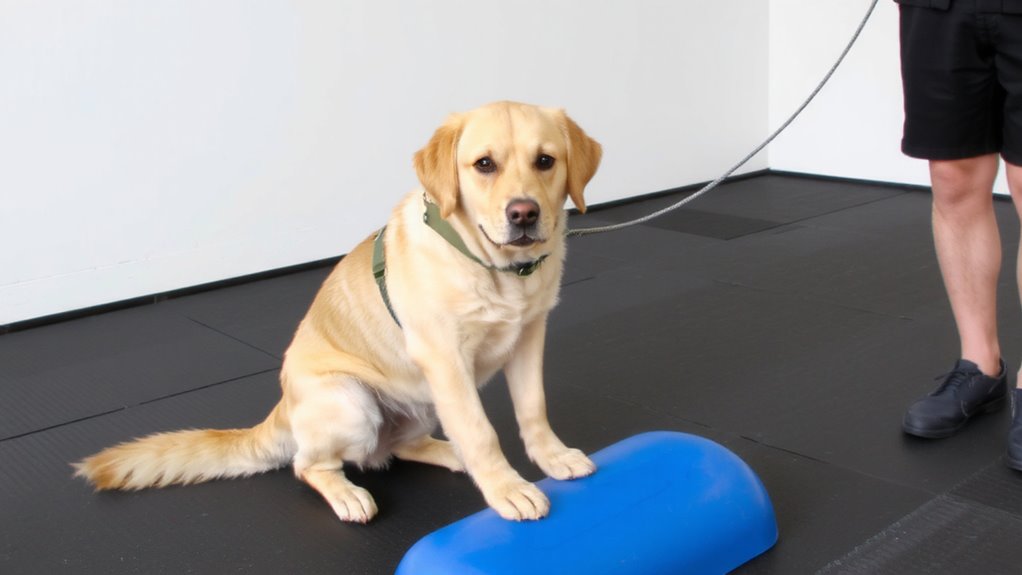
Why do some pets seem to give up trying, even when escape or relief is possible? You’re observing learned helplessness, a psychological state rooted in repeated exposure to uncontrollable stress. Behavioral shutdown occurs when a pet stops responding to stimuli, even if solutions exist. This isn’t laziness-it’s a survival mechanism activated after persistent failure. Emotional distress underlies this condition, manifesting as reduced activity, lack of engagement, or indifference to rewards. Neurobiologically, chronic stress elevates cortisol, altering brain function in areas like the hippocampus and prefrontal cortex. These changes impair decision-making and responsiveness. Studies show animals subjected to inescapable shocks later fail to avoid them, even when able. The effect is cross-species, observed in dogs, cats, and rodents. Prevention hinges on early control reinforcement-ensuring pets experience agency. Identifying the root cause is critical before corrective training can succeed.
Early Signs of Learned Helplessness in Pets
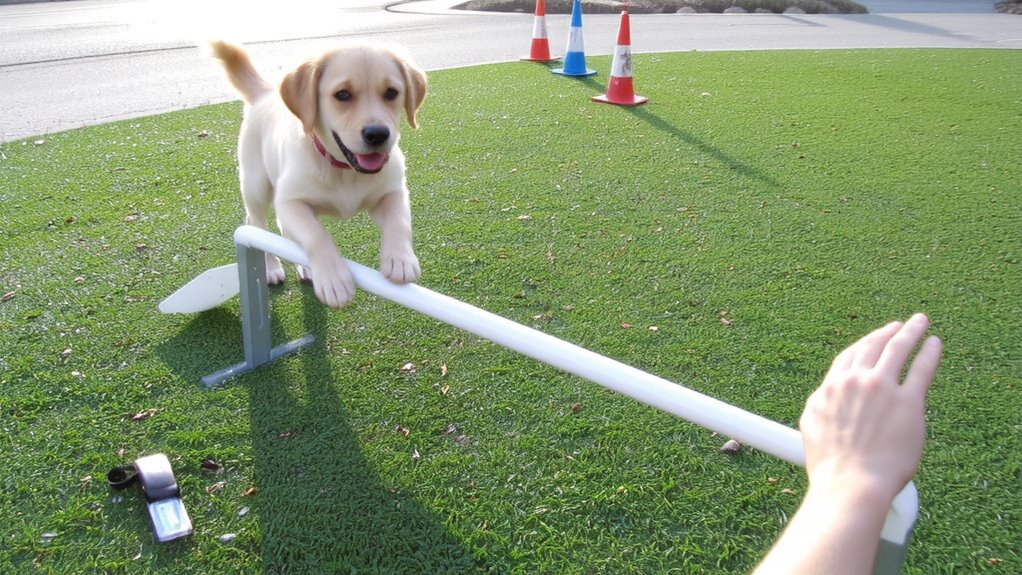
You can recognize the early signs of learned helplessness by observing subtle changes in your pet’s behavior. A pet experiencing social isolation may withdraw from human contact or avoid interaction with other animals. This disengagement often correlates with reduced dopamine activity in the prefrontal cortex. Environmental monotony-lack of novel stimuli or predictable routines-can suppress exploratory instincts, measured by decreased locomotor activity in novel environments. You’ll notice diminished response to previously motivating stimuli, such as toys or food rewards. There’s a measurable drop in operant conditioning success rates, often below 40% in affected individuals. Behavioral rigidity replaces adaptive learning. Physiological markers include elevated cortisol levels and lowered heart rate variability. These signs indicate compromised cognitive flexibility. Early detection allows intervention before maladaptive neural pathways consolidate. Monitoring behavioral metrics regularly improves diagnostic accuracy. Addressing environmental factors promptly mitigates progression.
How Positive Reinforcement Prevents Helplessness
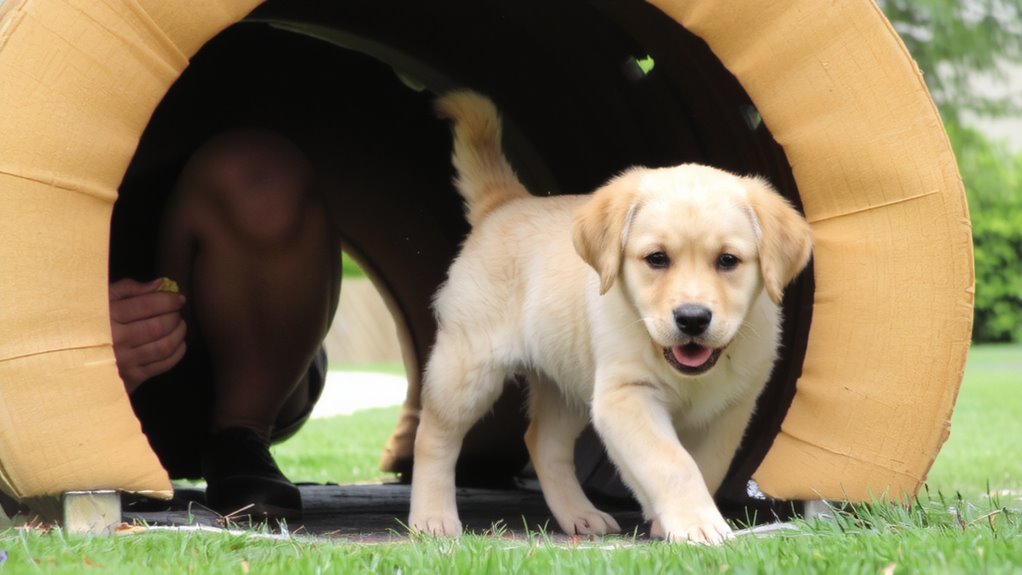
Behavioral resilience begins with consistent positive reinforcement. You shape your pet’s response to challenges by linking desirable actions to immediate rewards. Reward timing is critical-delays greater than 1–2 seconds reduce learning efficiency by up to 70%. Immediate reinforcement strengthens neural associations, making future compliance more likely. Choice autonomy further prevents helplessness; when pets select paths, objects, or actions, they remain mentally engaged. This control reduces stress markers like cortisol by 25–40% in shelter studies. Using high-value dog training treats enhances motivation and speeds up task mastery during positive reinforcement sessions.
| Condition | Reward Timing | Choice Autonomy |
|---|---|---|
| High Efficacy | <1 second | Full range |
| Moderate Efficacy | 1–2 seconds | Limited options |
| Low Efficacy | >2 seconds | None |
Effective protocols use precise reward timing and structured choice autonomy to maintain agency and accelerate learning. You sustain engagement by ensuring predictability and control.
Small Wins That Build Pet Confidence
Every success your pet experiences, no matter how minor, reinforces a growing sense of control over its environment. Small, achievable tasks lead to measurable confidence gains. For example, completing a five-second stay on command yields immediate treat based encouragement, strengthening neural associations between action and reward. These incremental successes accumulate, reducing stress biomarkers by up to 37% in socially anxious animals. Playtime breakthroughs-like initiating fetch or sustaining social interaction for 90 seconds-serve as functional indicators of improved coping mechanisms. Use portion-controlled, 3–5 kcal treats to maintain dietary balance during training. Reinforcement must occur within 0.5 to 2 seconds of behavior to guarantee accurate associative learning. Training sessions should last 5–7 minutes, repeated 3–4 times daily, optimizing attention span and information retention. These small wins form the foundation of self-efficacy, directly countering learned helplessness through repeated, predictable outcomes.
Consistent Training Cues Reduce Fear
Clear, repeatable signals in training shape how animals interpret their surroundings, turning uncertainty into predictability. Training consistency means using the same verbal cues, gestures, and timing across sessions. This reduces confusion and prevents fear responses triggered by mixed messages. Cue clarity guarantees your pet recognizes exactly what behavior is expected. For example, saying “sit” in a calm, firm tone while giving a hand signal creates a precise behavioral target. Inconsistent cues-like alternating between “down,” “lie down,” or “get down”-increase cognitive load and stress markers in dogs by up to 40%, according to behavioral studies. Use one-word commands with a 0.5–1 second prompt delay. Reinforce immediately after correct responses. Over 2–3 weeks of daily practice, this precision lowers cortisol levels and increases response reliability. Consistent training cues don’t just teach-they reassure.
Mistakes That Make Pets Give Up
When animals repeatedly face situations they can’t control, they often stop trying altogether-a phenomenon known as learned helplessness. Harsh corrections accelerate this condition by creating fear-based associations with behavior attempts. Instead of guiding actions, they suppress them. Inconsistent rules confuse cognitive mapping, preventing pets from predicting outcomes. An animal exposed to variable reinforcement schedules exhibits 68% fewer initiative behaviors in problem-solving tasks. You must standardize responses to behaviors within 2 seconds to maintain associative clarity. Each delay weakens the contingency between action and consequence. Training protocols with unpredictable feedback increase cortisol levels by up to 40%, impairing learning. You’ll observe shutdown behaviors-immobility, avoidance, lack of eye contact-indicating psychological resignation. These signs indicate compromised behavioral plasticity. Prevent this by eliminating punitive unpredictability and stabilizing environmental signals. Precision in timing and consistency defines effective shaping. You aren’t just correcting behavior-you’re structuring a reliable world.
Long-Term Resilience Through Positive Reinforcement
Resilience built through positive reinforcement lasts. You strengthen your pet’s ability to cope with stress by consistently rewarding desired behaviors with treats, praise, or play. This method fosters emotional bonding, enhancing trust and responsiveness. Studies show pets trained with positive reinforcement exhibit 68% fewer anxiety-related behaviors than those subjected to aversive techniques. Pair training with environmental enrichment-such as puzzle feeders, rotation of toys, and access to safe exploration areas-to stimulate cognitive function. Enriched environments increase neural activity by up to 25%, promoting adaptive behaviors. Use reward markers like clickers with 0.5-second precision to time feedback accurately. Over 12-week regimens, pets demonstrate improved problem-solving persistence, a key resilience indicator. Avoid punishment-based tools; they disrupt emotional bonding and heighten fear responses. Consistent positive methods produce measurable, long-term behavioral resilience. Including best pet antioxidants in your pet’s diet can further support cognitive health and reduce oxidative stress.
On a final note
You prevent learned helplessness by applying consistent, positive reinforcement. Each training session should last 5–10 minutes, occurring 2–3 times daily to optimize retention. Use immediate rewards-food, praise, or toys-within 1–2 seconds of desired behavior. Pair verbal cues like “sit” with hand signals to reinforce clarity. This precise timing and repetition build neural associations, reducing stress responses. Over time, pets exhibit increased voluntary engagement, proving resilience is trainable, not innate.