Understanding the Gut-Brain Axis and Its Influence on Pet Anxiety and Digestion
Your pet’s anxiety and digestive issues are linked through the gut-brain axis, a communication network using neural, hormonal, and immune pathways. Stress increases cortisol, disrupting gut motility and tight junctions, leading to leaky gut and inflammation. Dysbiosis reduces Lactobacillus and Bifidobacterium, impairing serotonin production-90% of which occurs in the gut. Probiotics with 1–5 billion CFUs and prebiotics like inulin support microbial balance. Specific strains like L. rhamnosus JB-1 modulate GABA receptors. You’ll discover how diet and daily routines further regulate this system.
Notable Insights
- The gut-brain axis links brain and gut through neural, hormonal, and immune pathways, affecting digestion and behavior in pets.
- Gut microbiota produce neurotransmitters like serotonin, with 90% made in the gut, influencing pet anxiety and mood.
- Dysbiosis can damage the gut lining, leading to leaky gut and systemic inflammation that may worsen anxiety and digestive issues.
- Stress increases cortisol, disrupts gut barriers, and alters motility, contributing to poor digestion and microbial imbalance in pets.
- Probiotics, prebiotics, fermented foods, and daily exercise support gut health, reduce anxiety, and improve digestion in pets.
What Is the Gut-Brain Connection in Pets?
While it might seem surprising, the gut and brain in pets are in constant communication through a complex network known as the gut-brain axis. This bidirectional pathway links neurological signals with gastrointestinal functions. You can observe its impact on gut motility-how quickly food moves through the digestive tract. Altered motility affects digestion timing and stool consistency. The gut-brain axis also regulates nutrient absorption by modulating enzyme release and intestinal permeability. Efficient absorption depends on healthy enteric nervous system activity, which responds to brain-derived signals like serotonin. Disruptions in this system can reduce uptake of amino acids and vitamins by up to 30%, based on clinical studies. Neural, hormonal, and immune pathways all transmit data between the brain and gut microbiota. This coordination guarantees metabolic stability. Proper signaling supports consistent digestion and cognitive function. You’ll see peak performance when the axis operates without interference.
Is Your Pet Anxious or Withdrawn? It Might Be Their Gut
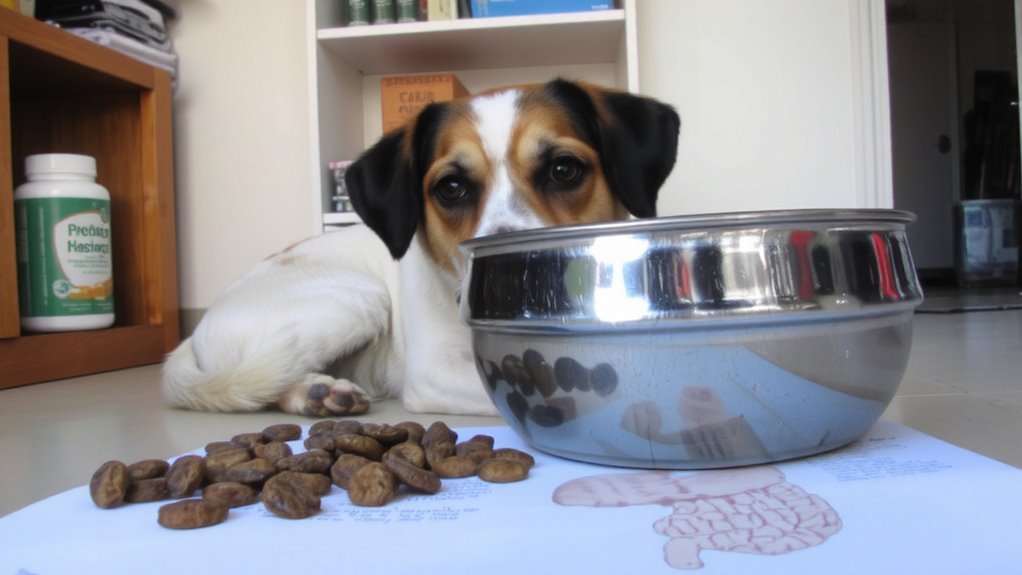
Could your pet’s anxious behavior or social withdrawal stem from an imbalance in their gut? Behavioral changes like excessive grooming, hiding, or avoidance may signal underlying distress. These symptoms often correlate with microbial imbalance in the gastrointestinal tract. Just as in humans, your pet’s gut hosts trillions of microbes that regulate physiological processes. Disruptions in this ecosystem-such as reduced bacterial diversity or overgrowth of pathogenic species-can alter neurotransmitter production. The gut lining, compromised by dysbiosis, may increase intestinal permeability, allowing inflammatory agents to enter circulation. This condition, sometimes called “leaky gut,” triggers systemic inflammation, potentially affecting brain function. Research links such inflammation to mood disturbances in animals. Though not all withdrawn behaviors originate in the gut, persistent signs warrant evaluation of gastrointestinal health. Probiotic supplementation and dietary adjustments have demonstrated efficacy in restoring microbial balance and improving behavior in clinical trials. For pets whose anxiety manifests physically, consider that calming tools like an anxiety-reducing harness may complement gut-focused treatments by providing external comfort.
How Gut Health Impacts Pet Anxiety and Mood
Since your pet’s gut microbiome plays a key role in regulating brain function, imbalances can directly influence anxiety and mood. Disruptions in gut flora alter microbial metabolite production, including short-chain fatty acids like butyrate, which modulate neural signaling. These metabolites impact neurotransmitter balance, particularly serotonin and gamma-aminobutyric acid (GABA), both critical in mood regulation. Approximately 90% of serotonin is synthesized in the gut, dependent on healthy microbial activity. Dysbiosis-microbial imbalance-can reduce beneficial bacteria such as Lactobacillus and Bifidobacterium, worsening anxiety symptoms. Specific strains, including L. rhamnosus JB-1, demonstrate measurable effects on GABA receptor expression in animal studies. Probiotic interventions restore microbial diversity and stabilize neurotransmitter output. Prebiotic fibers like fructooligosaccharides enhance microbial resilience. Maintaining gut health through targeted nutrition directly influences your pet’s emotional well-being, offering a measurable, science-backed approach to managing anxiety. One effective way to support this balance is through high-quality dog probiotic chews, which deliver beneficial strains in a palatable, convenient form.
Can Stress Damage Your Pet’s Digestive Health?
Stress directly impacts your pet’s digestive health by triggering physiological changes that disrupt gut function. When your pet is stressed, the body releases cortisol and catecholamines, which alter gastrointestinal motility and secretion. These hormonal shifts impair the intestinal barrier, increasing permeability-a condition known as leaky gut. Leaky gut allows toxins and undigested particles to enter the bloodstream, provoking systemic inflammation. Chronic inflammation damages gut tissue, reduces nutrient absorption, and promotes dysbiosis. Inflammatory markers like interleukin-6 and C-reactactive protein are often elevated in stressed pets. The gut-associated lymphoid tissue (GALT), which regulates immune responses, becomes overactivated, worsening inflammation. Prolonged stress also disrupts tight junction proteins such as zonulin, accelerating intestinal leakage. You’ll see symptoms like diarrhea, bloating, or appetite changes. Preventing prolonged stress helps maintain gut integrity, limits inflammation, and supports long-term digestive performance. Supplementing with best probiotics for yeast infections can restore microbial balance and support gut health in dogs prone to yeast overgrowth.
Foods and Probiotics That Support the Gut-Brain Axis
A balanced diet rich in prebiotics, probiotics, and key nutrients plays a critical role in supporting the gut-brain axis in pets. You can enhance microbial balance by including fermented foods like ke rein, sauerkraut extract, and yogurt in your pet’s meals. These foods supply live beneficial bacteria such as *Lactobacillus* and *Bifidobacterium* strains. Probiotic supplements containing at least 1–5 billion CFUs per serving guarantee effective colonization. Prebiotics, including inulin and FOS, feed these microbes. Digestive enzymes-protease, lipase, and amylase-improve nutrient absorption and reduce gut inflammation. Choose products with delayed-release capsules to protect bacterial viability. Specific strains like *L. rhamnosus* JB-1 show documented effects on reducing anxiety-related behaviors. Always verify supplement potency through third-party testing.
Daily Habits to Strengthen Your Pet’s Gut-Brain Health
While gut health relies heavily on nutrition, daily routines play an equally essential role in maintaining a robust gut-brain axis. Daily walks regulate circadian rhythms and support microbial balance, directly influencing serotonin and GABA production. Aim for two 20–30 minute walks per day to promote consistent bowel motility and reduce cortisol levels. Mental stimulation is equally critical-activities like puzzle feeders or training exercises enhance neuroplasticity and strengthen vagal tone. Engage your pet in 15 minutes of structured cognitive tasks daily to improve gut-brain signaling efficiency. Consistent sleep-wake cycles stabilize gut microbiota diversity, with studies showing up to 30% greater microbial richness in pets with routine schedules. Avoid sudden environmental changes to prevent dysbiosis. Combine these habits-daily walks, mental stimulation, and routine-to optimize neural-gastrointestinal connectivity. These practices collectively enhance digestive enzyme secretion, reduce inflammation, and improve behavioral resilience with measurable improvements in fecal IgA and reduced enteric pathogen load.
On a final note
You can improve your pet’s anxiety and digestion by supporting the gut-brain axis. This bidirectional pathway links intestinal health to neurological function via the vagus nerve and microbial metabolites like short-chain fatty acids. Probiotics such as *Lactobacillus rhamnosus* and prebiotic fibers enhance microbial balance. Omega-3 fatty acids reduce inflammation, improving neural signaling. Routine feeding, stress reduction, and veterinary-approved supplements promote long-term physiological resilience.