Customizing Diets for Dogs With Seizure Disorders on Phenobarbital
Feed your dog consistent meals twice daily with 20–25% high-quality protein like egg whites or lean chicken, ensuring digestibility above 90%. Include 5–10% MCT oil in fat intake for rapid brain energy and maintain a 5:1 to 10:1 omega-6-to-omega-3 ratio using DHA-rich fish oil. Use low-glycemic carbs such as sweet potato (¼ cup per 20 lbs) and avoid refined grains. Supplement with B6, magnesium, and SAM-e while excluding artificial preservatives. Ideal nutrient timing and composition support seizure control and liver function-further refinements align closely with metabolic demands.
Notable Insights
- Feed consistent meals twice daily to stabilize liver enzyme activity and support phenobarbital metabolism.
- Choose high-quality, animal-based proteins with digestibility over 90% to reduce liver strain and support detoxification.
- Incorporate omega-3 fatty acids and MCT oil to reduce neuroinflammation and provide rapid brain energy.
- Use low-glycemic complex carbohydrates like sweet potato to maintain steady glucose and support brain function.
- Avoid artificial additives, gluten-containing grains, and high-fat treats that may interfere with seizure control or liver health.
What to Feed a Dog on Phenobarbital: Quick Meal Guide
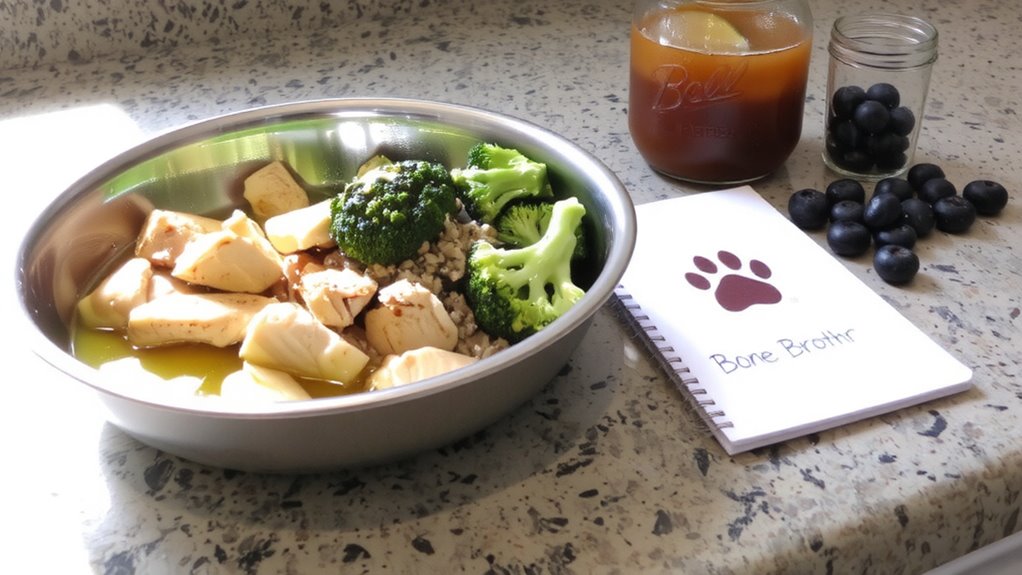
What should you feed your dog while they’re on phenobarbital? Consistent meal frequency supports stable drug metabolism. Administer food at the same times daily-preferably two to three meals-to maintain liver enzyme activity and drug clearance rates. Fluctuations in intake can alter phenobarbital serum concentrations, increasing seizure risk. Use grain alternatives like sweet potato, peas, or tapioca to minimize inflammation and support digestive health. These ingredients provide steady glucose release, avoiding insulin spikes that may interfere with neurological stability. Avoid high-fiber grains that impair drug absorption. Each meal should contain balanced macronutrients: approximately 20–25% protein, 10–15% fat, and 30–40% complex carbohydrates from grain alternatives. Portion sizes depend on metabolic weight; for a 20 kg dog, feed 400–500 kcal per meal. Consistency in formulation and timing optimizes pharmacokinetics. Measure all ingredients precisely to guarantee reproducibility.
Best Proteins for Dogs With Seizures
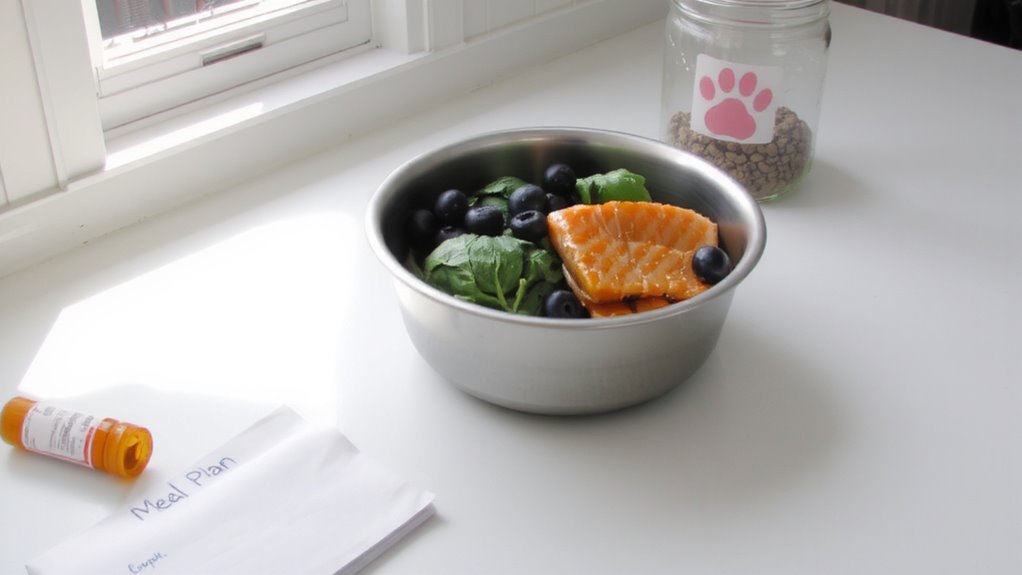
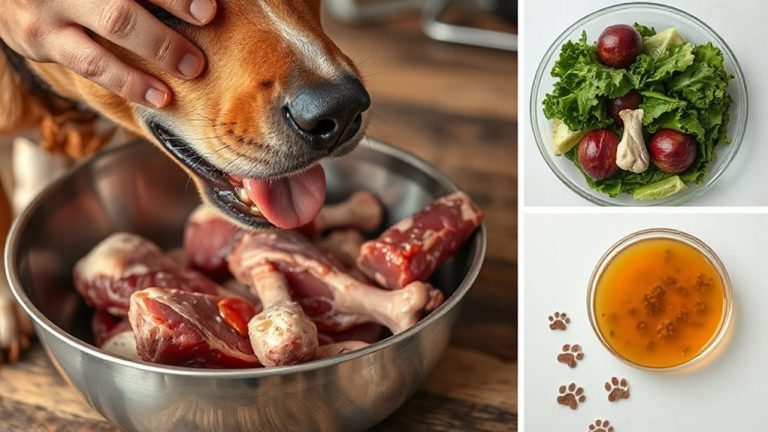
Protein choice matters when managing canine seizures on phenobarbital. You need high quality proteins to support liver function and neurological health. High quality proteins, like egg whites and lean chicken, contain essential amino acids with biological values above 80, ensuring efficient utilization. They promote stable neurotransmitter levels and reduce metabolic strain. Poor protein digestion increases ammonia production, which stresses the liver-already taxed by phenobarbital metabolism. Choose highly digestible sources with digestibility coefficients over 90%, such as cottage cheese or hydrolyzed poultry protein. These minimize waste and lower the risk of toxin accumulation. Avoid plant-based proteins with incomplete amino acid profiles, as they compromise protein digestion and impair tissue repair. Consistent intake of ideal proteins helps maintain lean body mass and supports detoxification pathways. You’re not just feeding your dog-you’re fine-tuning a physiological system. Every gram counts.
Brain-Boosting Fats for Seizure Control
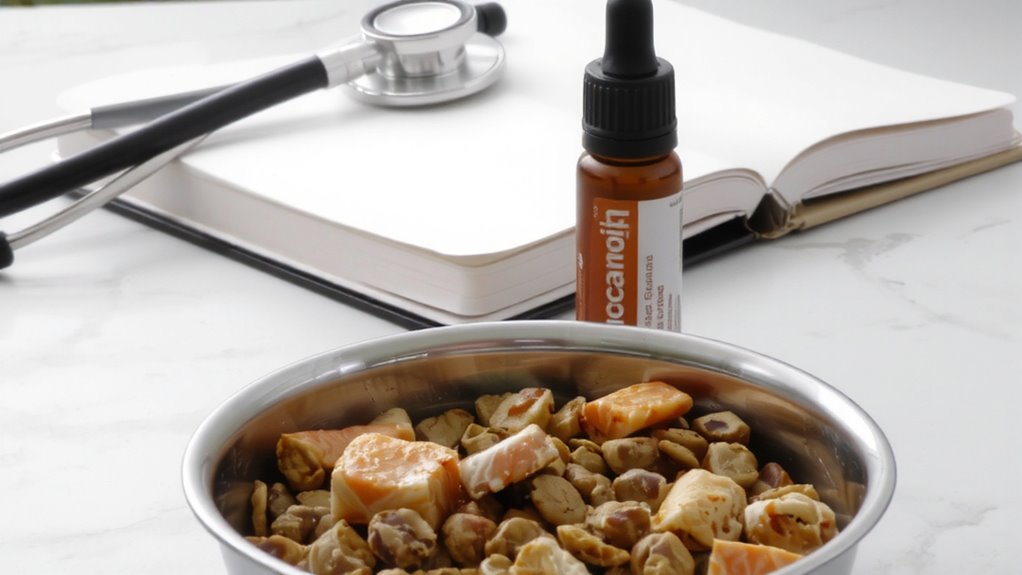
Several key fats play a critical role in supporting brain function and reducing seizure frequency in dogs on phenobarbital. Omega-3 fatty acids, especially DHA and EPA, reduce neuroinflammation and stabilize neuronal membranes. You’ll see improved seizure control when you maintain ideal fat ratios-aim for a 5:1 to 10:1 ratio of omega-6 to omega-3 fatty acids. This balance enhances the keto benefits, even in non-ketogenic diets, by promoting ketone production as an alternative brain fuel. Medium-chain triglycerides (MCTs) are particularly effective; include 5–10% MCT oil in your dog’s daily fat intake. MCTs cross the blood-brain barrier quickly, providing immediate energy to neurons. Unlike long-chain fats, MCTs are rapidly metabolized, reducing reliance on glucose. Consistent intake supports mitochondrial efficiency and reduces oxidative stress-critical for dogs under phenobarbital’s metabolic strain. Always shift gradually to avoid gastrointestinal upset.
Safe Carbs for Stable Blood Sugar
Stable glucose levels matter just as much as seizure thresholds when managing a dog on phenobarbital. You need carbohydrates that release energy slowly to avoid spikes and crashes. Sweet potatoes are ideal-they’re low-glycemic and rich in fiber, with a glycemic index of about 44. That slow release helps maintain steady blood sugar. Brown rice also works well, scoring around 50 on the glycemic index, making it safer than white rice. Both provide complex carbs that digest gradually. Use cooked sweet potatoes in moderation-one-quarter cup per 20 pounds of body weight daily. For brown rice, stick to half a cup per 20 pounds, cooked. These portions prevent overfeeding while supporting energy needs. Avoid refined grains. Consistent carb sources mean fewer glucose swings. That stability supports brain function and complements phenobarbital therapy effectively. For cost-effective, long-term sourcing of these ingredients, consider purchasing from best places to buy bulk dog food.
Vitamins and Minerals That Support Phenobarbital Users
You’ve already taken steps to stabilize your dog’s energy with low-glycemic carbohydrates like sweet potatoes and brown rice-now it’s time to reinforce their internal systems with targeted micronutrients. Key vitamins and minerals aid liver support and nerve health, both critical for dogs on phenobarbital. Chronic use of this anticonvulsant increases oxidative stress in the liver and can deplete essential B-vitamins, particularly B6 and folate, which regulate neurotransmitter function.
| Nutrient | Role | Recommended Daily Amount* |
|---|---|---|
| Vitamin B6 | Supports nerve health | 0.5–1 mg per 10 lbs body weight |
| Folate | Aids cell metabolism | 40–80 mcg |
| Vitamin E | Liver support, antioxidant | 10–20 IU |
| Magnesium | Stabilizes electrical activity | 50–100 mg |
| SAM-e | Enhances liver support | 10 mg/kg body weight |
*Consult your vet for precise dosing based on your dog’s health status.
Homemade vs. Commercial: Which Diet Reduces Seizures?
Could a homemade diet truly offer better seizure control than commercial options for dogs on phenobarbital? You might see advantages with homemade meals, as they allow precise control over ingredients and nutrient profiles. Many owners opt for grain free diets, believing they reduce inflammation and support neurological stability-though evidence remains anecdotal. Commercial diets offer consistency and are often fortified, yet may contain fillers or additives that affect sensitive dogs. You can tailor homemade plans to include high-quality proteins and healthy fats, which support brain function. Intermittent fasting, implemented carefully, may promote neuronal resilience through ketone production. However, fasting cycles must align with phenobarbital dosing to maintain blood levels. Neither approach has definitive clinical superiority, but monitoring your dog’s seizure frequency and serum drug levels helps determine effectiveness. Choose based on veterinary guidance, not trends.
Which Foods to Avoid for Dogs on Seizure Meds?
Why might certain foods worsen seizure control in dogs taking phenobarbital? Some ingredients interfere with liver metabolism, reducing medication efficacy. You should avoid diets with artificial food additives like BHA, BHT, and ethoxyquin-preservatives linked to neurological irritation. These chemicals may lower seizure thresholds. Grain allergy is another concern; while true allergies are rare, gluten-containing grains such as wheat and corn can trigger inflammatory responses in sensitive dogs. Inflammation may affect brain activity and drug metabolism. Opt instead for limited-ingredient diets with novel proteins and carbohydrates. Steer clear of high-fat treats, which can alter phenobarbital absorption. Avoid raw dough, caffeine, and chocolate-known neurostimulants. Always check labels: even some commercial “natural” diets contain plant-based excitotoxins like quinine or rosemary extract in high concentrations. Consistency matters-sudden dietary changes can disrupt drug plasma levels. Stick to vet-approved formulas.
On a final note
You should prioritize balanced nutrition to support your dog’s neurological health. Phenobarbital increases liver metabolism, so diets must include 25–30% high-quality protein, like egg or lean poultry, to maintain muscle. Add 5–10% omega-3 fats from fish oil for anti-inflammatory support. Avoid simple carbs; opt for complex ones like sweet potato to stabilize glucose. Always exclude xylitol, caffeine, and excess salt.