Adjusting Shampoo pH Levels for Thin Skins Found in Ancient Felines Over 12 Years Old
Your senior cat’s skin thins and becomes more sensitive after age 12, making pH balance critical. Use a shampoo with a pH between 6.2 and 7.0 to match your cat’s natural skin acidity. This range supports barrier repair and prevents dehydration. Avoid products above pH 8.0-they strip oils and cause irritation. You’ll find vet-recommended options like Episoothe and Allerderm DR Max are formulated to maintain skin integrity while minimizing inflammation. Choose wisely to protect their fragile skin.
Notable Insights
- Senior cats over 12 have thinner skin with elevated pH, requiring shampoos between 6.2 and 7.0 for optimal barrier support.
- Use pH strips or a calibrated meter to test shampoo pH after dilution, ensuring it falls within the 6.2–7.0 range.
- Avoid human shampoos or products with pH above 8.0, as they strip natural oils and increase skin irritation risk.
- Choose veterinary-recommended shampoos like Episoothe or Allerderm DR Max, formulated to match senior cats’ acid mantle.
- Limit bathing to every 4–6 weeks to preserve skin lipids and reduce transepidermal water loss in aging felines.
Why pH Balance Matters for Senior Cat Skin
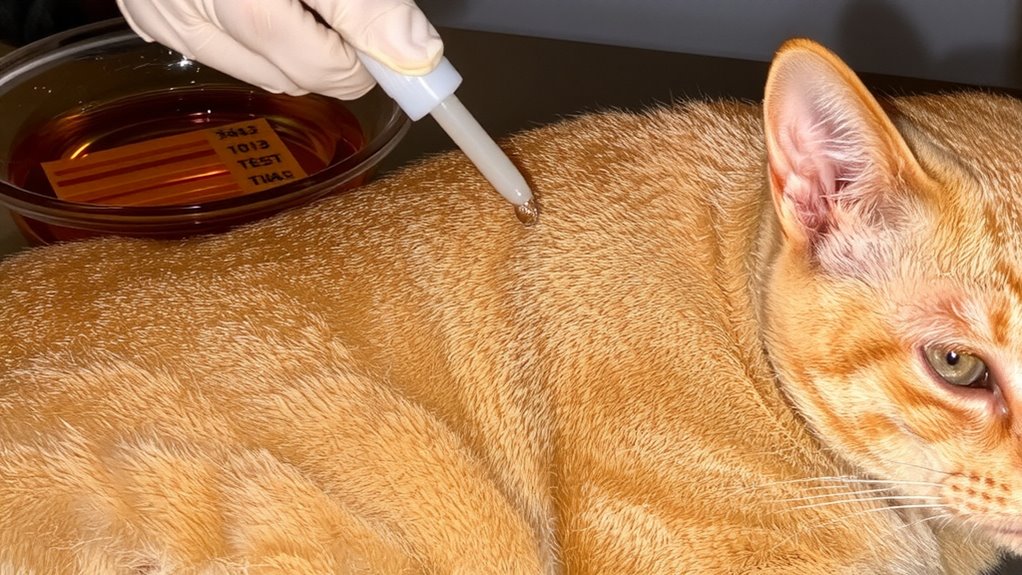
Although your senior cat’s skin may seem unchanged, its natural pH balance shifts with age, making proper care more critical. As cats surpass 12 years, their skin’s pH rises, increasing skin sensitivity and disrupting protective acid mantles. This shift compromises barrier function, elevating risks of irritation and infection. Proper shampoo pH-ideally between 6.2 and 7.5-aligns with aged feline skin to maintain equilibrium. Unlike human products (pH 5.5), formulations exceeding 8.0 can dehydrate and inflame senior skin. Hydration needs rise due to reduced sebum and slower cell turnover. Use conditioners with glycerin or hyaluronic acid, which improve moisture retention by up to 40%. Avoid alkaline cleansers; they strip lipids, worsening dryness. A buffered, species-specific shampoo stabilizes pH, supports dermal integrity, and minimizes transepidermal water loss. Consistent use of pH-matched products enhances skin resilience and comfort.
How Aging Affects Your Cat’s Skin and Coat
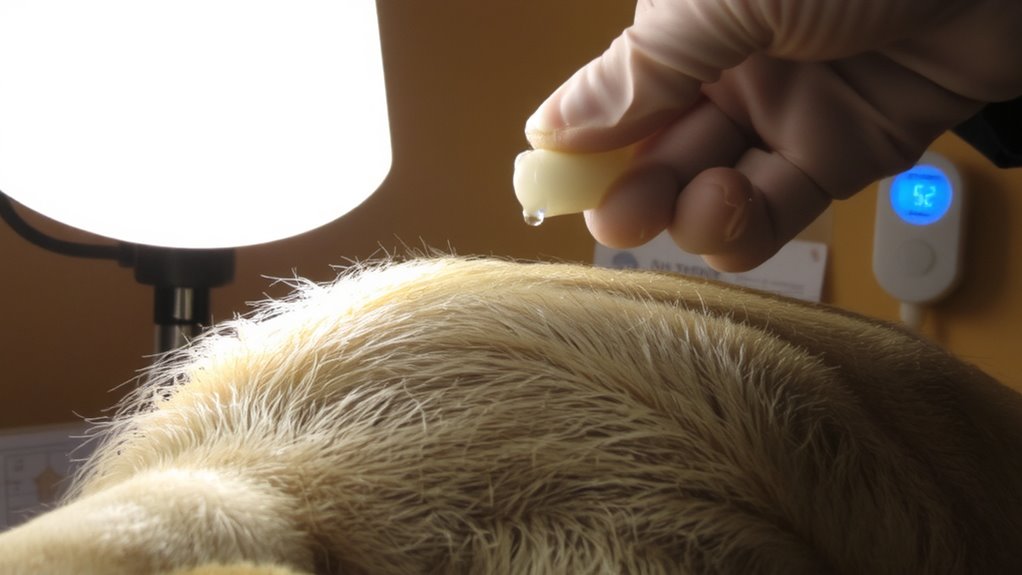
Aging reshapes your cat’s skin and coat in measurable, predictable ways. As your cat grows older, sebaceous gland activity declines, reducing natural oil production. This leads to dry skin, which compromises the epidermal barrier and increases vulnerability to irritation. The stratum corneum thickens unevenly, impairing moisture retention. Concurrently, hair follicle cycling slows, altering shedding patterns. You’ll notice thinner fur and more frequent clumps during grooming. Hair regrowth decreases by 20–30% in cats over 12, based on longitudinal dermatological studies. Follicular atrophy contributes to sparser coverage, especially over lumbar and sacral regions. These changes are consistent across breeds, though long-haired cats often show pronounced matting due to reduced coat resilience. You can expect a 15% decrease in coat hydration per year past age 10, escalating risk of microtears. Managing these signs begins with recognizing the physiological shift-not with immediate product intervention.
Ideal pH Range for Shampoo in Cats Over 12
For ideal skin health, choose shampoos with a pH between 6.2 and 7.0 when bathing cats over 12. This range mirrors the slightly acidic to neutral pH of aging feline skin. Maintaining this balance supports maximal enzyme activity in the epidermis, which is essential for cellular turnover and barrier repair. Deviations outside this range can disrupt protease and lipase function, slowing renewal processes. The pH also directly impacts lipid preservation in the stratum corneum. Proper lipid levels keep the skin hydrated and protected against irritants. Shampoos within 6.2–7.0 minimize surfactant-induced stripping of natural oils. Think of it like preserving rubber seals-too much alkalinity causes brittleness. You’re not just cleaning; you’re maintaining structural integrity. Staying in this range helps prevent transepidermal water loss and microbial colonization. Always verify pH on product labels or with a calibrated meter. Your choice directly influences skin resilience in senior cats.
Signs Your Cat’s Shampoo Is Too Acidic or Alkaline
You’ll know something’s off if your senior cat shows skin irritation or coat changes after bathing. Skin irritation often appears as redness, flaking, or excessive scratching, indicating a shampoo pH mismatch. A cat’s skin has a neutral to slightly acidic pH (around 6.2–7.5); shampoos outside this range disrupt protective barriers. If the product is too alkaline (pH > 8), it can strip natural oils, leading to dryness and coat dullness. Acidic shampoos (pH < 5) may cause stinging, disrupt microbial balance, and weaken hair shafts. Coat dullness manifests as lack of luster, brittleness, or tangling-signs of cuticle damage. Persistent use of unbalanced pH shampoos compromises skin integrity, increasing infection risk. Observe your cat closely post-bath. Immediate discomfort or visible changes mean you should discontinue use. Accurate pH matters-investigate labels or test strips. Matching your shampoo to your cat’s natural pH preserves skin health and coat quality.
Top pH-Balanced Shampoos for Elderly Cats: Vet Picks
Veterinarian-recommended shampoos for elderly cats prioritize pH stability and skin barrier support. You should choose products with a pH between 6.2 and 7.0 to match your cat’s thinning skin. Frequent bathing can degrade coat texture, so limit bathing frequency to once every 4–6 weeks unless medically advised. Chlorhexidine 2% and miconazole shampoos maintain microbial balance without altering pH. Oatmeal-based formulations with glycerin improve coat texture by reinforcing lipid layers. Products like Episoothe or Allerderm DR Max contain buffered pH systems-measurable via pH strips at 6.5 ± 0.3 post-dilution. These resist alkaline shifts during lathering. Silicone-free and dye-free versions reduce irritation. Low foaming doesn’t indicate low efficacy; micellar action lifts debris without stripping oils. Monitor skin hydration post-bath. Use tepid water, rinse thoroughly, and towel-dry gently. Consistent pH-balanced care sustains epidermal integrity.
Can You Test Shampoo pH at Home? What Vets Say?
Home pH testing of cat shampoo is feasible with the right tools and technique. You can perform DIY testing using pH strips calibrated between 5.5 and 8.0, ideal for detecting slight variances in feline products. Dip the strip into a small sample of diluted shampoo for 10 seconds, then compare the color to the provided chart. Most healthy cat skins range from 6.2 to 7.2, so aim for results within this bracket. Digital pH meters offer higher accuracy, with ±0.1 precision, but require regular calibration. Vets caution that improper dilution or unclean tools skew results. While vinegar rinses may slightly acidify the coat, they’re not a pH substitute-they can disrupt skin barriers if overused. Veterinarians recommend confirming DIY testing outcomes with professional-grade tools initially, ensuring reliability. Consistent testing helps maintain ideal skin health, especially for geriatric cats whose skin is more sensitive and prone to imbalance.
How to Bathe an Older Cat Gently and Safely
While older cats often resist bathing due to age-related stiffness and sensory decline, a careful approach can minimize stress and prevent injury. To reduce grooming anxiety, use slow movements and a calm voice. Always test the water temperature-ideal range is 100°F to 105°F (37.8°C to 40.6°C), close to a cat’s normal body temperature. Use a pH-balanced shampoo formulated for senior feline skin (pH 6.2–7.0). Support joints during bathing; place a non-slip mat in the tub. Maintaining good oral hygiene can also support overall health in aging cats, and using veterinarian-recommended cat dental care products may help prevent periodontal disease.
| Step | Action | Purpose |
|---|---|---|
| 1 | Pre-wet coat with lukewarm water | Prevents thermal shock, maintains stable water temperature |
| 2 | Apply low-pH shampoo gently | Protects thin skin barrier, prevents irritation |
| 3 | Rinse thoroughly for 2–3 minutes | Eliminates residue, reduces grooming anxiety |
| 4 | Dry with warm towel, no blow dryer | Avoids overheating, maintains thermal comfort |
On a final note
Your senior cat’s skin pH averages 6.2 to 7.5, becoming more alkaline with age. Use shampoos within this range to preserve the acid mantle. Products exceeding pH 8.0 strip natural oils, increasing dryness and infection risk. Vet-recommended formulas like Douxo S3 Calm or Vet Basics ChlorConazole maintain ideal pH and contain soothing ceramides. Always rinse thoroughly-residue alters skin pH. Test with pH strips if unsure. Bathe gently, no more than once monthly, using lukewarm water.