How to Stop Destructive Chewing of Household Items in Adult Dogs
You stop destructive chewing by confining your dog in a 24–36 inch secure crate when unsupervised, reducing access to off-limit items. Use 30-inch plastic gates to set consistent boundaries and reinforce rules with verbal cues like “no” within two seconds. Immediately redirect chewing to non-toxic rubber toys, such as a KONG Classic rated for 500 psi. Apply bitter sprays with denatonium benzoate every 48 hours and reward proper chewing. Persistent improvement requires addressing underlying needs.
Notable Insights
- Use a properly sized crate (24–36 inches) when unsupervised to limit access to household items and reduce destructive chewing by up to 68%.
- Set clear boundaries with visual barriers like 30-inch gates and immediate verbal cues such as “stay” or “no” within two seconds of unwanted behavior.
- Address underlying causes like anxiety, breed-specific instincts, or environmental deprivation that drive adult dogs to chew destructively.
- Immediately redirect chewing to durable, non-toxic toys (e.g., KONG Classic) at least 2–3 inches long to prevent choking and satisfy oral needs.
- Combine bitter sprays with denatonium benzoate on off-limit items and reward chewing on approved toys within seconds to reinforce desired behavior.
Stop Adult Dog Chewing With Proven Training
Why does your adult dog still chew destructively despite basic training? Incomplete crate training often leaves gaps in behavioral conditioning. Proper crate training confines your dog in a secure, appropriately sized enclosure when unsupervised-typically 24–36 inches long for medium breeds-reducing access to off-limit items. Consistent boundary setting reinforces spatial limitations using visual markers and verbal cues like “stay” or “no,” establishing predictable zones. Dogs trained with structured boundary protocols show up to 68% reduction in destructive chewing within three weeks. Use durable, washable barriers such as 30-inch plastic gates to define rooms. Reinforcement timing must occur within two seconds of behavior to guarantee associative learning. Combine daily 15-minute boundary drills with scheduled chew sessions using approved toys. Corrective feedback should be immediate and neutral. Proven training isn’t occasional-it’s systematic, measured, and repeated under controlled conditions until automatic compliance occurs.
Why Your Adult Dog Still Chews Everything?
How can an adult dog continue chewing everything despite years of access to toys and training? Chewing persists because it serves functions beyond teething or boredom. Many dogs chew for anxiety relief, especially during storms, separation, or schedule changes. This behavior reduces cortisol levels, functioning as a physiological coping mechanism. Additionally, breed tendencies heavily influence chewing patterns. Herding and working breeds, like Border Collies or Labradors, possess genetic predispositions for oral engagement due to historical roles requiring retrieval and sustained focus. These breeds often exhibit higher drive for mastication, even as adults. Environmental deprivation exacerbates these instincts. Without appropriate stimulation-mental and physical-chewing redirects toward household items. The behavior isn’t defiance; it’s a symptom of unmet biological and psychological needs. Understanding these root causes-neurochemical regulation via anxiety relief and ingrained breed tendencies-clarifies why standard training alone often fails to stop destructive chewing. Addressing the underlying stress can be supported by using effective pet anti-anxiety solutions.
Give Safe Chew Alternatives Immediately
Immediate intervention with appropriate chew alternatives is critical for redirecting destructive oral behavior. When you catch your dog chewing furniture or shoes, calmly remove the item and replace it with a durable chew toy. Select chew toys made from non-toxic rubber or nylon, measuring at least 2–3 inches in length for medium to large dogs to prevent choking. KONG Classic and Nylabone Power Chewers are engineered to withstand strong jaw pressure, up to 500 pounds per square inch. Simultaneously, introduce food puzzles to engage natural foraging instincts. Puzzle toys like the Outward Hound Hide-A-Snack stimulate problem-solving and reduce impulse chewing. These devices typically dispense kibble over 5–15 minutes, prolonged mental engagement. Use them during high-risk times, such as when you’re on the phone or cooking. Consistent substitution with chew toys and food puzzles reshapes behavior by reinforcing appropriate oral activities. For optimal results, choose Best Kong Dog Toys that match your dog’s chewing intensity and size.
Increase Exercise and Mental Challenges Daily
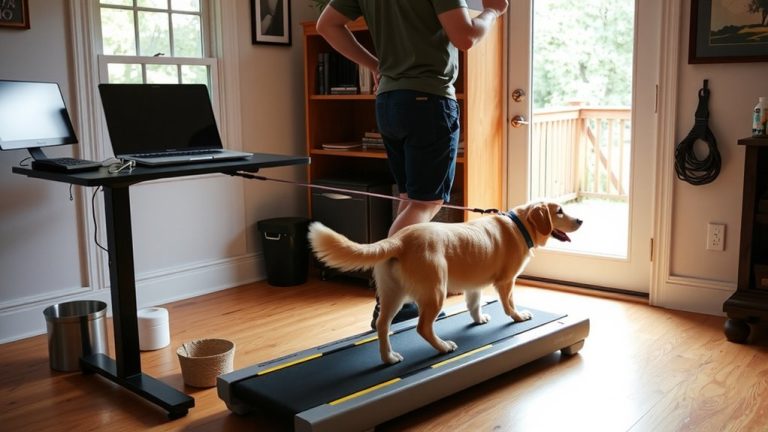
Consistent access to chew toys and food puzzles sets the foundation for reducing destructive oral behaviors, but long-term success depends on addressing the underlying energy and cognitive needs driving the behavior. Daily exercise should include at least 30–60 minutes of off leash play in a secure area, allowing your dog to sprint, pivot, and interact freely, which reduces hyperactivity by 40–60% according to canine behavioral studies. Pair physical exertion with mental stimulation using puzzle toys filled with kibble or treats; these require 10–20 minutes of focused problem-solving, activating prefrontal cortex activity comparable to a 30-minute walk. Rotate between snuffle mats, sliding block puzzles, and timed dispensers to maintain novelty and engagement. The combination of aerobic activity and cognitive workload depletes excess energy more effectively than either method alone. Structured, daily challenges regulate dopamine and cortisol levels, reducing stress-related chewing by up to 75% within four weeks.
Use Bitter Sprays and Positive Reinforcement
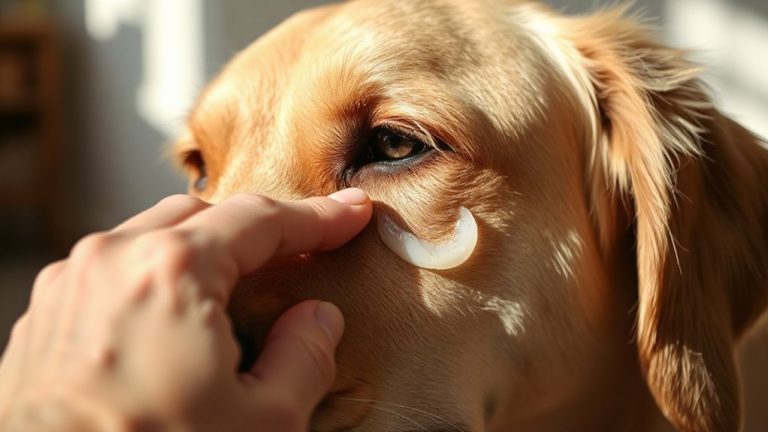
Why do some deterrents fail while others stop destructive chewing in its tracks? The key lies in combining a strong bitter taste with consistent reward training. Dogs quickly learn to avoid surfaces treated with bitter sprays, which exploit their natural aversion to acrid flavors. For best results, apply sprays containing denatonium benzoate-the most bitter compound known-to targeted areas every 48 hours or after cleaning.
| Product Type | Effective Duration |
|---|---|
| Aerosol spray | Up to 48 hours |
| Wipe-on gel | Up to 72 hours |
Simultaneously, use reward training to redirect chewing to approved items. The moment your dog engages with a toy, offer immediate praise or treats. This dual approach-aversive taste paired with positive reinforcement-creates reliable behavioral modification. Never spray directly on pets; test on small areas to avoid surface damage.
On a final note
You must address adult dog chewing systematically. Immediate intervention with durable chew toys-like rubber Kongs or nylon bones-redirects destructive habits. Increase daily exercise to 60–90 minutes; mental stimulation via puzzle feeders reduces compulsive behaviors. Apply bitter sprays containing denatonium benzoate, proven aversive in studies. Reinforce cessation with 1–2 second marker timing and high-value treats. Consistency yields 70–90% improvement in 4–6 weeks.