What Every Dog Owner Must Know About the Role of Protein in Canine Nutrition
You need protein to support your dog’s muscle maintenance, tissue repair, and enzyme function. High-quality animal proteins like chicken or beef provide complete amino acid profiles with 75–80% digestibility. Adult dogs require 18–25% dry matter protein; puppies and active dogs need more. Inadequate intake leads to muscle loss and poor coat quality. Excess protein offers no benefit and strains kidneys. There’s more to learn about sourcing, life-stage needs, and avoiding common dietary pitfalls.
Notable Insights
- Protein provides essential amino acids for muscle repair, enzyme production, and overall tissue maintenance in dogs.
- High-quality animal-based proteins like chicken and beef offer superior digestibility and complete amino acid profiles.
- Adult dogs need 18–25% dry matter protein, while puppies and active dogs require higher levels for growth and energy.
- Protein deficiency can lead to muscle loss, poor coat condition, and weakened immune function.
- Excess protein doesn’t improve health and may strain kidneys; balance based on life stage and activity level is key.
Why Your Dog Thrives on Protein
Protein isn’t just a nutrient-it’s the foundation of your dog’s biological function. You rely on it to support essential processes, from tissue repair to enzyme production. Protein directly fuels muscle development, providing amino acids like leucine and lysine that stimulate protein synthesis in skeletal tissue. Without adequate intake, your dog’s muscle mass declines, impairing strength and mobility. Protein also contributes to sustained energy production. Unlike carbohydrates, it yields 4 kcal per gram and supports gluconeogenesis, maintaining blood glucose during prolonged activity. Your dog’s body uses surplus amino acids in the liver to produce ATP, the cellular energy currency. Ideal protein levels-between 18% and 25% in dry matter for adults-ensure metabolic efficiency. Balanced amino acid profiles, especially methionine and threonine, improve nitrogen retention. This enhances overall performance, from immune response to endurance.
Best Protein Sources for Dogs
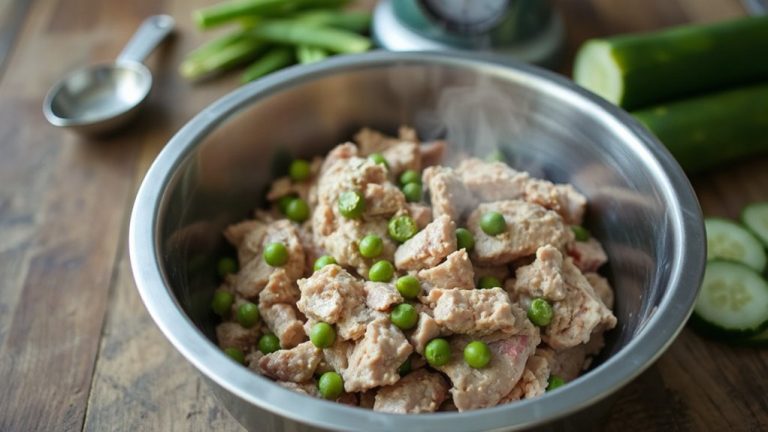
Quality begins at the source. Choose animal proteins like chicken, beef, lamb, and fish for ideal canine nutrition. These provide complete amino acid profiles, essential for muscle development and immune function. Animal proteins typically offer 75–80% digestibility, far surpassing most plant proteins. Chicken meal, for example, contains approximately 65% protein by weight, making it a concentrated source. Plant proteins from peas, lentils, and soy contribute fiber and some amino acids but lack full bioavailability. They range from 40–60% digestibility and must be combined to improve amino acid balance. While plant proteins support sustainability, they shouldn’t replace animal proteins as the primary source. Always check ingredient lists: “chicken” or “beef meal” should appear first. Avoid unnamed by-products. High-quality animal proteins guarantee your dog absorbs essential nutrients efficiently, sustaining long-term health.
How Much Protein Does Your Dog Really Need?
How much protein your dog actually needs depends on more than just age or breed-it hinges on life stage, activity level, and overall health. Puppies require about 22% protein in their diet; adults need around 18%. Active or working dogs may need up to 30% for sustained energy and muscle maintenance. These levels support efficient protein digestion, ensuring your dog absorbs essential amino acids. Amino acids like lysine and methionine aren’t produced in sufficient amounts by your dog’s body, so they must come from food. High-quality proteins-such as eggs, chicken, and fish-offer better amino acid profiles and are more digestible. Poor protein sources reduce amino acid availability, compromising tissue repair and enzyme production. The digestibility score matters: a protein with 85% digestibility delivers more usable amino acids than one at 65%. Match protein intake to your dog’s metabolic demands for peak physiological function.
Signs of Protein Deficiency in Dogs
A dog showing persistent weight loss despite normal eating habits may be suffering from inadequate protein intake. This often signals muscle wasting, where lean body mass declines due to insufficient amino acids for tissue repair. You’ll notice reduced strength and visible spine or hip bones. Protein is essential for maintaining muscle structure-without 18–25% crude protein in adult dog diets, degradation outpaces synthesis. Poor coat quality is another key sign; fur becomes dull, brittle, or thin because keratin production drops. Hair growth cycles slow, leading to shedding or delayed regrowth. The skin may also appear flaky or irritated due to impaired barrier function. Unlike fat or carbs, dogs can’t store amino acids, so daily intake is critical. Lab values showing hypoalbuminemia support clinical observations. These symptoms collectively indicate a protein deficit requiring dietary correction-no substitution or temporary fix will suffice. Address the source, not just the symptom.
Debunked: 5 Dog Protein Myths
One common misconception is that more protein always leads to better health, but exceeding your dog’s metabolic needs offers no benefit and strains renal function. High protein intake doesn’t enhance muscle growth beyond requirement thresholds-dogs need about 18–25% protein in dry matter, depending on life stage. Another myth is that raw feeding provides superior amino acids; however, cooking doesn’t destroy essential amino acids like lysine or methionine when done properly. Your dog absorbs amino acids equally well from cooked or raw sources, provided the diet is balanced. Contrary to belief, plant-based proteins can supply adequate amino acid profiles when combined correctly. Also, high protein doesn’t cause hyperactivity; energy content and fat levels play larger roles. Finally, senior dogs need slightly more, not less, protein-around 28–32%-to maintain lean mass without increasing kidney workload, assuming renal function is stable.
On a final note
You need to prioritize high-quality protein in your dog’s diet. Protein supplies essential amino acids like lysine and methionine, critical for muscle repair and immune function. Most adult dogs require 18–25% crude protein in their diet, measured on a dry matter basis. Sources like chicken, beef, and fish offer biological values above 80%, ensuring efficient absorption. Too little protein causes muscle loss and poor coat health. You can avoid deficiencies by choosing balanced, species-appropriate formulas.