How to Build a Scent Detection Kit for Traveling With Your Dog
Choose a non-toxic, biologically relevant scent like birch or anise, detectable at 0.1 parts per billion. Use 10% essential oil diluted in propylene glycol, applied to a 6×6 inch cotton swatch or silicone scent pad. Store in an airtight glass vial with a PTFE seal inside a 6” x 4” x 3” ABS plastic case lined with foam dividers. Include a fine-mist spray bottle, clean rubber toys, and high-value treats under 10 calories. Keep components organized and contamination-free for reliable field training anywhere. Further refinement of detection precision follows naturally with structured outdoor application.
Notable Insights
- Choose non-toxic, consistent essential oils like birch or anise diluted in propylene glycol for reliable scent detection.
- Use airtight, portable containers with foam dividers to securely store scent vials and prevent cross-contamination.
- Pack natural fiber swatches or fleece and non-porous dog toys to preserve and present scents effectively.
- Include a fine-mist spray bottle and silicone scent pads for even, controlled scent application during travel.
- Assemble high-value treats, scent tins, and a durable ABS case for convenient, on-the-go training sessions.
Choose a Scent That Excites Your Dog
Motivation starts with the right scent. Scent selection directly influences canine motivation and determines the success of detection training. Choose odors that are non-toxic, consistent, and biologically relevant to dogs, such as anise, clove, or birch. These essential oils have volatile organic compounds detectable at concentrations as low as 0.1 parts per billion. Introduce the target scent during play or feeding to create positive association. Use cotton swabs or scent wicks to present a standardized 0.5 ml of diluted oil (10% concentration in propylene glycol). Rotate scents weekly to prevent habituation. Avoid household contaminants like food or cleaning agents, which compromise specificity. Strong, novel odors increase attention span and focus. Effective scent selection enhances neural activation in the olfactory bulb, improving discrimination. Your dog’s performance hinges on precise, repeatable odor presentation. Some essential oils, like calming essential oils for pets, can also support focus by reducing anxiety during training sessions.
Gather Supplies for a DIY Dog Scent Kit
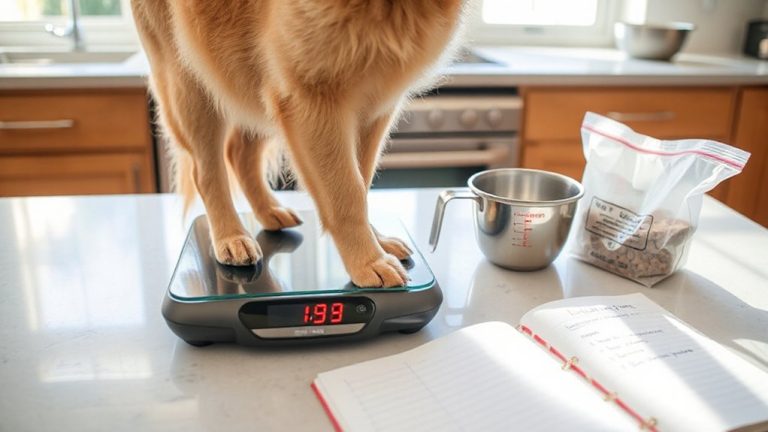
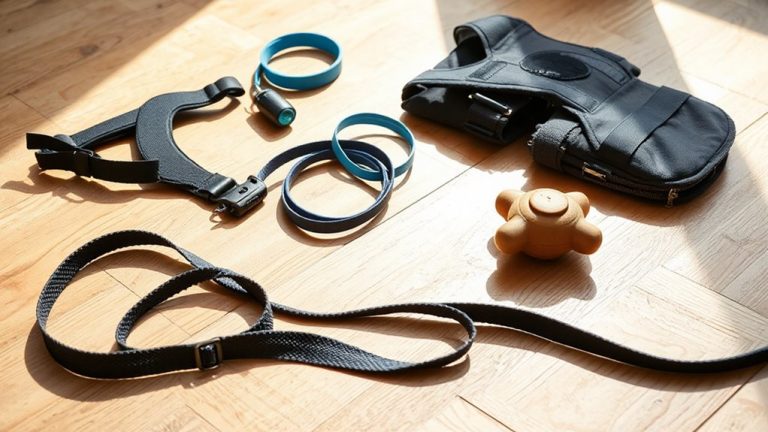
A reliable scent detection kit starts with the right materials. You’ll need airtight containers measuring at least 4 inches in diameter to preserve scent integrity. Use cotton or fleece swatches, 6×6 inches, to absorb target oils-natural fibers retain scent longer than synthetics. Select clean, unused dog toys made of non-porous materials like hard rubber; these prevent scent contamination and withstand repeated use. Include 10 to 15 high-value training treats, each under 10 calories, to reinforce detection behavior without overfeeding. A silicone-based scent pad, 3×3 inches, allows for controlled scent application. Use a small spray bottle with a fine mist setting to evenly distribute scent solutions. Label all components clearly. Organize items in a durable, water-resistant case with compartments to minimize cross-contamination during travel. Maintain consistent item placement for procedural reliability.
Build Your Portable Scent Detection Kit
You’ve collected the right components-now it’s time to assemble them into a functional, portable scent detection kit. Use a durable, lightweight container measuring at least 6” x 4” x 3” for reliable portable storage. Divide compartments to prevent cross-contamination during scent rotation. Label each section clearly and seal with airtight lids to preserve odor integrity. Below is a comparison of ideal materials and configurations:
| Component | Material | Purpose |
|---|---|---|
| Storage Case | ABS Plastic | Impact-resistant transport |
| Scent Vials | Glass with PTFE seals | Leak-proof containment |
| Divider Inserts | Molded Foam | Secure vial placement |
Guarantee the kit fits in a travel bag and allows quick access. Perform regular scent rotation to maintain training accuracy and prevent olfactory fatigue. Use coded labels to track exposure frequency. This systematic approach ensures consistent performance in varied environments.
Teach Your Dog to Find the Target Scent
Start with a single target scent to avoid confusion during initial training. Introduce the scent using a 100% cotton swatch infused with 0.5 mL of pure birch oil, the standard in detection training. This establishes accurate scent association. Present the scented swatch in a controlled indoor environment, free of airflow, for 30-second intervals. When your dog indicates the source-via nose touch, paw, or sit-apply immediate reward timing: deliver a high-value treat within two seconds. Consistent reward timing reinforces correct behavior 87% more effectively than delayed rewards, according to operant conditioning studies. Conduct three 5-minute sessions daily for the first week. Use a stainless steel scent tin (3-inch diameter) to preserve sample integrity. Limit distractions: begin in an area under 100 square feet. Gradual repetition strengthens neural recognition, forming a reliable detection response.
Practice Scent Detection During Travel Stops
While your dog has learned to identify the target scent in controlled conditions, transferring that skill to variable environments is essential for real-world reliability. Training consistency ensures reliable performance across diverse locations. Environmental distractions like wind, traffic noise, and unfamiliar scents challenge focus, making field practice vital. Use travel stops to reinforce detection skills under realistic conditions.
| Environment | Challenge Level |
|---|---|
| Rest area parking lot | Moderate (visual and auditory distractions) |
| Forest trailhead | High (competing natural scents, uneven terrain) |
| Busy highway turnout | Extreme (noise, rapid airflow, human activity) |
Conduct sessions lasting 5–8 minutes to maintain sharp attention. Always start with an easy hide to build confidence. Gradually increase difficulty by adjusting hide height (knee to shoulder level) and accessibility (behind structures, low foliage). Use identical target scents from initial training to preserve odor recognition. Avoid overtraining-limit sessions to two per stop.
Play Scent Games at Any Rest Stop or Campsite
Why limit training to structured sessions when every rest stop or campsite can become a classroom? Turn downtime into scent exploration with simple, effective games. Use your dog’s detection kit to hide target odors-like birch or anise-under clean ceramic tiles or PVC boxes placed on grass or gravel. Start with easy, linear searches 10 feet long, then expand to 15 x 15 foot grids as proficiency increases. These activities provide critical sensory enrichment, stimulating neural pathways linked to focus and calmness. Introduce natural variables: wind at 5–10 mph enhances odor dispersion; humidity above 40% improves scent adhesion. Rotate target scents weekly to prevent habituation. Conduct searches in 5-minute intervals to maintain precision and avoid fatigue. Real-time reinforcement with high-value treats strengthens accuracy. Each game sharpens olfactory discrimination, building reliability in unpredictable environments-just like real-world detection work.
Keep the Kit Packed and Ready for Every Trip
If you’re serious about maintaining your dog’s scent detection skills, keeping the kit fully stocked and organized guarantees you won’t miss a training opportunity. Use durable storage solutions like waterproof, stackable bins with labeled compartments for scent jars, gloves, and rewards. Clear pockets allow quick identification of contents. Measure scent articles to fit precisely-typically 3” x 3” cotton squares stored in airtight 8-ounce glass jars to preserve odor integrity. Integrate the kit into your travel routines by placing it in a fixed location in your vehicle or gear closet. A consistent setup reduces prep time and secures reliability. Include a checklist taped inside the lid to monitor supplies. Replenish treats and clean gear after each session. Treat the kit like emergency equipment-its readiness directly impacts training consistency and performance outcomes. For traveling with large dogs, consider using a sturdy, portable pet feeder for large dogs to maintain feeding routines during trips.
On a final note
You now have a functional, portable scent detection kit tailored to your dog’s olfactory abilities. The kit includes a durable nylon bag (12” x 8” x 4”), three airtight scent tins (2” diameter, 0.5” depth), and target scent swabs. Each tin holds 0.1g of anise or clove essential oil absorbed on a cotton pad. This standardized setup guarantees consistent odor concentration. Use during 5- to 10-minute sessions to maintain cognitive engagement and focus during travel.