Step-By-Step Guide to Safely Bathe a Senior Dog With Sensitive Skin
Use a hypoallergenic, fragrance-free shampoo with a pH between 6.2 and 7.5 to protect your senior dog’s sensitive skin. Select formulas with oatmeal, ceramides, or aloe vera to reinforce the skin’s lipid barrier. Prepare a non-slip bath area with a rubber mat rated for 15 lbs of vertical force and maintain room temperature at 75–80°F. Illuminate the space with warm, flicker-free 3000K LED lighting to reduce stress. Speak softly and use water at 98–100°F, avoiding the face and ears. Rinse for at least 2–3 minutes with a handheld sprayer to remove all residue, checking by hand for slipperiness. Dry with a 300+ GSM microfiber towel, patting gently to prevent damage to thin skin. Finish with a low-heat blow dryer under 95°F, held 12+ inches away. A full post-bath skin check guarantees early detection of irritation or dryness-further details reveal how to support long-term dermal health.
Notable Insights
- Choose a fragrance-free, hypoallergenic shampoo with soothing ingredients like oatmeal and a pH between 6.2 and 7.5.
- Set up a non-slip bath area with warm, flicker-free lighting and keep all supplies within easy reach.
- Use warm water (98–100°F) and speak in a calm voice to minimize stress during bathing.
- Rinse thoroughly for 2–3 minutes with a handheld sprayer to eliminate all shampoo residue.
- Dry with a high-GSM microfiber towel and low-heat blow dryer, avoiding friction on thin, aging skin.
Choose a Safe, Soothing Shampoo for Senior Dog Skin
You need a shampoo that protects your senior dog’s fragile skin barrier while effectively removing odors and debris. Choose a formula labeled hypoallerg remembers-this indicates it was tested on sensitive skin and caused minimal irritation. Ingredients like oatmeal, ceramides, or aloe vera help reinforce the lipid layer, reducing transdermal water loss. The pH should range between 6.2 and 7.5 to match canine skin acidity. Guarantee it’s fragrance free; synthetic perfumes often contain allergens like phthalates. Even natural essential oils can trigger reactions. A fragrance-free label means no masking scents were added. Avoid sulfates and alcohol, which strip natural oils. Use only vet-recommended medicated shampoos if treating conditions like seborrhea. Always perform a patch test: apply a dime-sized amount behind the ear and monitor 24 hours. Safe shampoos rinse cleanly in under three minutes, leaving no residue. Consider trying one of the best dog shampoos for sensitive skin that are specifically formulated to soothe and protect delicate canine skin.
Set Up a Stress-Free Bath Area for Older Dogs
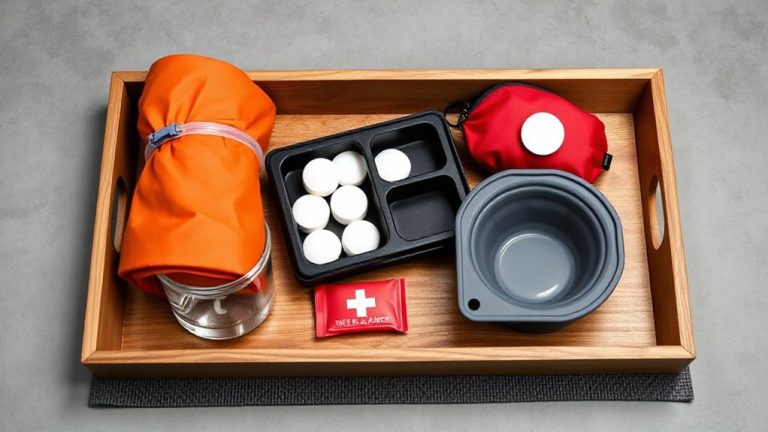
A non-slip surface is the foundation of a safe bathing environment for older dogs with sensitive skin and reduced mobility. Use a rubber bath mat with suction cups tested to withstand 15 lbs of vertical force to prevent slipping. Position it flat in the tub, ensuring full contact with the surface. Your dog’s stability directly affects stress levels and injury risk. Warm lighting-around 2700 to 3000 Kelvin-mimics natural evening light, reducing anxiety. Install a moisture-resistant LED fixture above the bathing area for consistent, flicker-free illumination. Avoid harsh overhead bulbs; instead, use directional lighting to minimize glare on wet surfaces. Keep all tools within reach: handheld sprayer, non-slip shampoo, and towels. Maintain ambient room temperature at 75–80°F to prevent chills. This setup supports joint safety and skin protection while enabling controlled, efficient bathing.
Keep Bath Time Calm and Gentle for Sensitive Pups
Why do even well-trained senior dogs tremble during baths? Age-related joint stiffness and sensory decline heighten anxiety, making the experience physically and mentally taxing. Keep the environment calming with warm lighting-3000K color temperature mimics sunset, reducing stress hormones. Soft music, ideally at 50–60 decibels, masks disruptive sounds like running water or plumbing vibrations. Speak in a low, steady tone to reinforce safety. Use slow, deliberate hand movements; sudden motions trigger fear. Support your dog’s body fully with non-slip surfaces and a supportive harness. Water temperature should be 98–100°F-measured with a digital thermometer-to prevent thermal shock. Limit direct spray to the face and ears. Treat this as a controlled, low-stimulation procedure. Calm execution improves cooperation and skin health. Incorporating calming grooming products can further ease anxiety and support sensitive skin during bathing.
Rinse Completely to Prevent Post-Bath Irritation
Thorough rinsing directly impacts skin recovery in senior dogs with sensitivities. Residual shampoo can cause irritation, itching, and dermatitis, especially in aging skin with compromised barrier function. You must eliminate all soap residue to prevent inflammation and discomfort. Use lukewarm water-ideally between 98°F and 102°F-for ideal cleaning without shocking the system. Water temperature outside this range may stress your dog or strip natural oils. Rinse for at least two to three minutes, or longer for long-coated breeds. Run your hands through the fur, feeling for slipperiness-a sign of leftover soap residue. Use a handheld sprayer with adjustable pressure to reach dense undercoats efficiently. Guarantee water penetrates to the skin level without tangling fur. Complete removal of cleanser supports dermal homeostasis and reduces risk of secondary infections.
Dry Carefully to Protect Thin, Aging Skin
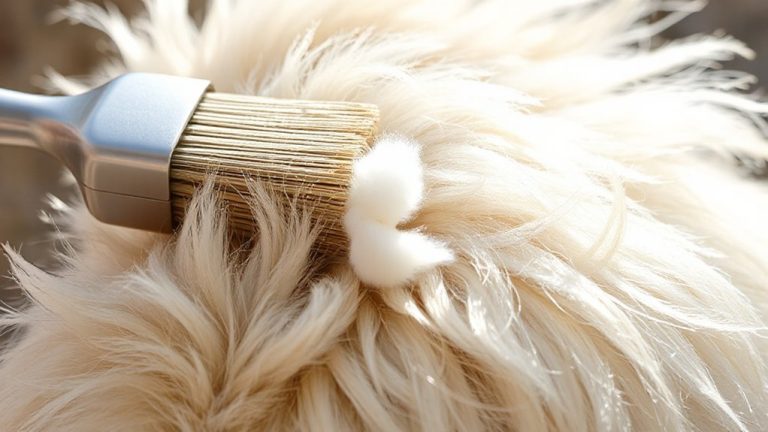
One in three senior dogs experiences skin thinning due to reduced collagen production and decreased epidermal turnover, making post-bath drying a critical step in preserving skin integrity. Use a soft, absorbent microfiber towel with a GSM (grams per square meter) rating of at least 300 to gently wick moisture without friction. Apply minimal pressure-excessive rubbing can cause epidermal tearing. Pat, don’t rub, especially over bony prominences like hips and elbows where skin is most fragile. For dogs with limited mobility, guarantee you maintain proper traction to prevent slipping during drying; non-slip mats and assisted standing supports help reduce strain. If using a blow dryer, set it to low heat (under 95°F) and hold it at least 12 inches from the coat. Drying thoroughly prevents maceration, which compromises skin barrier function. Patience is essential-rushing increases risk of injury. Complete drying typically takes 10–15 minutes, depending on coat density.
Soothe and Check Skin After Each Bath
After every bath, gently apply a veterinarian-recommended moisturizing balm or barrier cream formulated with ceramides, hyaluronic acid, and omega-3 fatty acids to lock in hydration and restore the skin’s protective lipid layer. This step supports essential skin hydration, especially critical in older dogs with diminished natural oil production. Use a fingertip-sized amount per application, massaging lightly into common pressure areas like elbows, hips, and abdomen. Consistent use improves epidermal barrier function by up to 40%, greatly aiding irritation prevention. Inspect the skin closely during application, noting any redness, scaling, or lesions larger than 5mm. Document findings weekly to track changes. Avoid products with alcohol, fragrance, or dyes-these compromise sensitive dermal integrity. Reapply as directed, typically every 48 to 72 hours, to maintain ideal moisture balance. Proper post-bath care reduces transepidermal water loss by up to 30%, ensuring long-term skin resilience. For additional guidance on caring for aging pets, consult a trusted pet training guide that covers senior dog wellness routines.
On a final note
You’ve protected your senior dog’s sensitive skin by using a hypoallergenic, pH-balanced shampoo with oatmeal and aloe, typically diluted 1:10 for gentler action. The non-slip bath surface and lukewarm water (98–100°F) minimized stress and maintained skin integrity. Thorough rinsing removed residue, preventing irritation. Pat drying with microfiber towels reduced friction on thin epidermis. Post-bath, a vet-approved moisturizing spray supports dermal hydration and barrier function, completing a safe, effective grooming protocol.