Recognizing the Smell of Ruptured Anal Glands in Pets
You might notice a strong, fishy odor near your pet’s rear-this smell comes from ruptured anal glands leaking secretion rich in volatile fatty acids and sulfur compounds. The discharge is brownish, oily, and foul-smelling, often visible near the anus or on surfaces. Unlike temporary odors, this persists within a 3-foot radius and won’t resolve with diet or squeezing. It signals tissue breakdown requiring veterinary intervention. Ruptures stem from blocked ducts, thick secretions, or chronic impaction. Continued signs suggest underlying issues best evaluated by a professional.
Notable Insights
- A strong rotting fish odor near your pet’s rear may signal a ruptured anal gland.
- Persistent foul smell is noticeable within 3 feet and doesn’t improve with diet changes.
- Brownish, oily discharge with a pungent smell often leaks continuously from the anus area.
- The odor comes from volatile fatty acids and sulfur compounds in the gland’s secretion.
- Fishy smell accompanied by swelling, scooting, or licking requires immediate veterinary evaluation.
What Are Anal Glands and Why Do They Smell?
Anal glands-small paired sacs located at the 4 o’clock and 8 o’clock positions around your pet’s anus-produce a pungent, oily secretion. Their anatomy function includes lubricating feces and enabling territorial marking. Each gland measures approximately 1 cm in length and connects to the anal canal via narrow ducts. Normal secretion composition consists of fatty acids, proteins, and cell debris, creating a strong, musky odor unique to each animal. These secretions are typically expressed during defecation due to natural compression. The glands’ position and structure guarantee controlled release under pressure. Secretion composition varies slightly between species but maintains consistent viscosity and smell. You’ll notice the odor if expression is incomplete or glands become overfilled. Understanding this anatomy function helps identify abnormal conditions early. Proper gland function supports digestive and social signaling systems in pets. Monitoring secretion frequency and consistency is essential for detecting issues before they escalate.
Your Pet Has a Fishy Smell? It Could Be Ruptured Anal Glands
Why does your pet suddenly reek of rotting fish? The fish odor likely signals ruptured anal glands. These paired sacs, located at 4 and 8 o’clock around the anus, normally release a small amount of secretion during defecation. When blocked or infected, pressure builds, potentially causing rupture. A ruptured gland leaks fluid continuously, producing a persistent, pungent fish smell noticeable within 3 feet. This condition often accompanies rectal discharge-brownish, oily, and foul-smelling-visible near the anus or on surfaces where your pet rests. Unlike occasional gland expression, this discharge doesn’t resolve with diet changes or manual squeezing. The exudate contains volatile fatty acids and sulfur compounds, responsible for the characteristic odor. Immediate veterinary assessment is required to prevent abscess formation, tissue necrosis, or systemic infection. Antibiotics and anal gland flushes are standard treatments.
Other Signs of Ruptured Anal Glands in Dogs and Cats
How often has your pet been licking the area around its rear end more than usual? Excessive licking indicates discomfort from swollen tissue near the anus. You might notice your dog or cat dragging its rear across the floor, a behavior called scooting. Visible swelling or redness beside the anus suggests inflamed anal glands. A ruptured gland often releases a foul discharge-dark, thick, and malodorous-draining through an opening near the anal opening. This discharge may stain surfaces or fur. In cats, signs are subtler but include tense posture during defecation. Acute cases show pus or blood. Swollen tissue typically measures 1–2 cm in diameter upon palpation. Left untreated, the rupture creates infection pathways. Early recognition of these physical markers, including discharge consistency and tissue enlargement, helps prevent abscess formation and systemic illness. Monitor closely and seek veterinary evaluation promptly.
Why Anal Gland Ruptures Happen in Pets
When the natural drainage of fluid from the anal sacs is obstructed, pressure builds until tissue integrity fails, leading to rupture. You might not realize it, but genetic predisposition plays a significant role-small breeds like Chihuahuas or Bulldogs often inherit narrower ducts, increasing blockage risk. Their sacs produce thick, oily secretions meant to express during defecation, but inadequate compression can leave fluid trapped. Dietary factors further complicate this process. Low-fiber diets produce softer stools, reducing the pressure needed for natural expression. Without firm feces, the sacs don’t fully empty, promoting stasis and inflammation. Chronic impaction weakens sac walls over time. Bacteria proliferate in stagnant fluid, causing infection that accelerates tissue breakdown. Structural stress combined with poor drainage creates a failure point-much like a clogged pipe under constant pressure. Prevention begins with understanding these physiological and environmental triggers.
When to See a Vet for Ruptured Anal Glands?
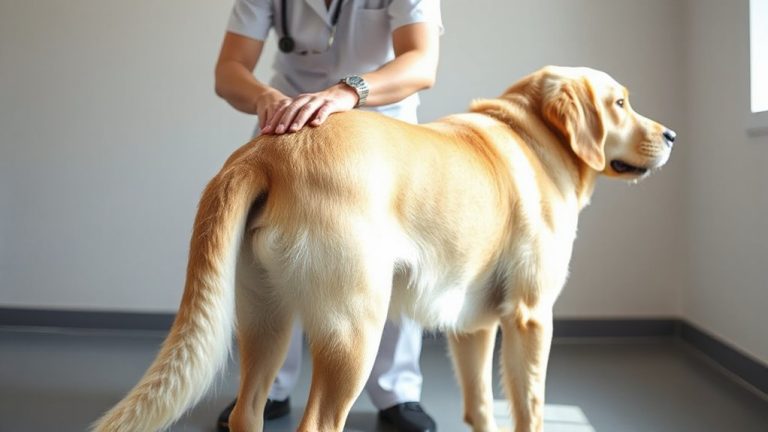
Is your pet suddenly scooting across the floor or excessively licking its rear? These behaviors may signal anal gland rupture. Visible swelling, pus discharge, or a foul-smelling odor near the anus are key indicators. If you notice these symptoms, seek veterinary evaluation promptly. A ruptured gland increases infection risk due to bacterial exposure in surrounding tissue. Left untreated, this can lead to abscess formation or systemic illness. Severe pain, reluctance to sit, or bleeding requires emergency care. Immediate professional intervention prevents complications like chronic drainage or anal sac rupture recurrence. Do not attempt home treatment involving pressure or manual expression once rupture occurs-it worsens tissue damage. Veterinarians assess the extent using physical examination and may apply local anesthesia for comfort. Early clinical management reduces recovery time and improves outcomes notably.
How Vets Treat Ruptured Anal Glands
Though the rupture has already occurred, treatment focuses on containment and healing. Your vet will begin with surgical drainage to remove accumulated fluid and infected material. This procedure requires local or general anesthesia, depending on severity. The vet makes a small incision to evacuate the gland, reducing swelling and pain. After drainage, the area is flushed with an antiseptic solution to minimize bacterial load. Antibiotic therapy follows immediately, usually with broad-spectrum oral antibiotics like amoxicillin-clavulanate for 7–14 days. Cultures may guide antibiotic choice if infection persists. Pain medication and anti-inflammatories are often prescribed. You’ll need to keep the area clean and monitor for swelling or discharge. An Elizabethan collar prevents licking. Healing typically takes 10–14 days with proper care. Follow-up visits guarantee complete recovery.
How to Prevent Anal Gland Problems in Pets
Since prevention plays a critical role in avoiding anal gland complications, establishing a proactive care routine is essential. Diet management directly impacts gland health-feed your pet a high-fiber diet containing at least 5–8% crude fiber to encourage firm stools that naturally express glands during defecation. Low-quality kibble often lacks sufficient fiber, increasing impaction risk. Add pumpkin or psyllium husk (1 tsp per 10 lbs body weight daily) if needed. Regular exercise promotes consistent bowel movements; aim for 30–60 minutes of daily activity to maintain gastrointestinal motility and reduce stagnation. Overweight pets are more prone to issues due to compressed perianal anatomy. Monitor for scooting or excessive licking. For high-risk breeds-like Cocker Spaniels or Chihuahuas-schedule veterinary anal gland checks every 3–6 months. Manual expression every 4–8 weeks may be necessary but avoid overuse, which can cause inflammation.
On a final note
You must act quickly if you detect a strong, fishy odor from your pet’s rear. This smell often signals ruptured anal glands, which release malodorous secretion when inflamed or infected. Ruptures cause pain, swelling near the anus, and visible discharge at the 4 and 8 o’clock positions. Untreated cases risk abscess formation and systemic infection. Veterinary intervention includes drainage, antibiotics, and sometimes surgical correction. Regular expression and high-fiber diets help maintain gland health and prevent recurrence.