Step-by-Step Guide to Expressing Your Dog’s Anal Glands at Home
Wear nitrile gloves and lubricate your finger with KY Jelly before gently inserting it into your dog’s anus. Place your thumb outside at the 4 and 8 o’clock positions, then compress the glands inward and upward to express the fluid. Use sterile gauze to catch the thin, yellowish-brown secretion. If resistance is high or fluid is thick, discontinue. Blood or pus means stop-this signals injury or infection. You’ll learn the right rhythm and pressure with time.
Notable Insights
- Check for signs like scooting, foul odor, or swelling to determine if anal gland expression is needed.
- Gather supplies including gloves, gauze, lubricant, and a hemostat for a clean, controlled process.
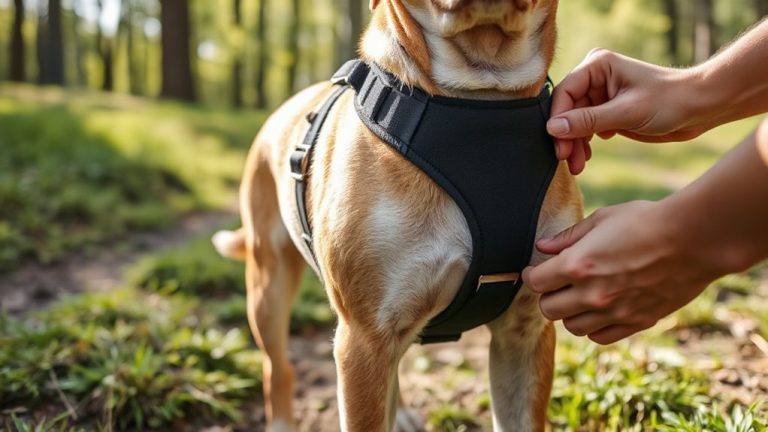
- Position your dog securely with access to the rear, using restraint if necessary for safety.
- Apply gentle inward and upward pressure at the 4 and 8 o’clock positions to express gland contents.
- Stop immediately if you see blood or pus and consult a vet to avoid complications.
Signs Your Dog Needs Anal Gland Expression
Discomfort often shows up first in your dog’s behavior. You may notice scooting behavior, where your dog drags their rear across the floor to relieve anal irritation. This action indicates built-up pressure in the anal glands, located at 4 and 8 o’clock around the anus. Persistent scoiting, licking, or redness suggests impaction. The glands normally express small amounts of foul-smelling fluid during defecation. When they fail to empty, secretions harden, increasing discomfort. You might detect a strong, fishy odor near your dog’s rear-another sign of gland buildup. Swelling or visible leakage signals advanced fullness. Palpation reveals firm, enlarged sacs beneath the skin. Early recognition allows timely intervention and prevents infection or abscess. Monitoring these indicators guarantees proper hygiene and health. Responding promptly maintains your dog’s comfort and prevents complications.
Why Some Dogs Need Anal Gland Help
Anatomy plays a key role in why your dog might need regular anal gland expression. The anal glands are two small sacs located at the 4 and 8 o’clock positions around the anus, producing a foul-smelling fluid meant for scent marking. In healthy dogs, this fluid empties naturally during defecation. However, soft stools lack the firmness to trigger expression, leading to impaction. Diet composition directly affects stool consistency-low-fiber diets often produce softer feces, reducing natural gland emptying. Dogs with narrow gland ducts or chronically inflamed tissue struggle more. Breed predisposition also matters; smaller breeds like Chihuahuas, Toy Poodles, and Cocker Spaniels are genetically prone to issues. Poor muscle tone and obesity further limit expression efficiency. Over time, retained fluid thickens, increasing infection risk. You’ll need to monitor regularly, especially if your dog has a history of flare-ups.
When to Skip DIY and Call the Vet
You know your dog’s routine, and if you’ve been managing anal gland expression at home, you might feel confident handling it. But certain signs mean it’s time to skip DIY and seek vet consultation. Persistent scooting, visible swelling, or redness near the anus can signal an anal gland infection. Discharge that’s bloody or pus-filled requires immediate professional care.
| Symptom | Risk Level | Action Needed |
|---|---|---|
| Mild scooting | Low | Monitor closely |
| Swollen glands | Medium | Schedule vet consultation |
| Pus or blood | High | Seek emergency care |
Attempting expression during infection can worsen trauma or rupture the sac. Anal gland issues can stem from deeper health problems like chronic allergies or impaction. When in doubt, stop and call your vet. Professional evaluation prevents complications and guarantees proper treatment. Timely vet consultation protects your dog’s long-term comfort and health.
Supplies You Need to Express Anal Glands at Home
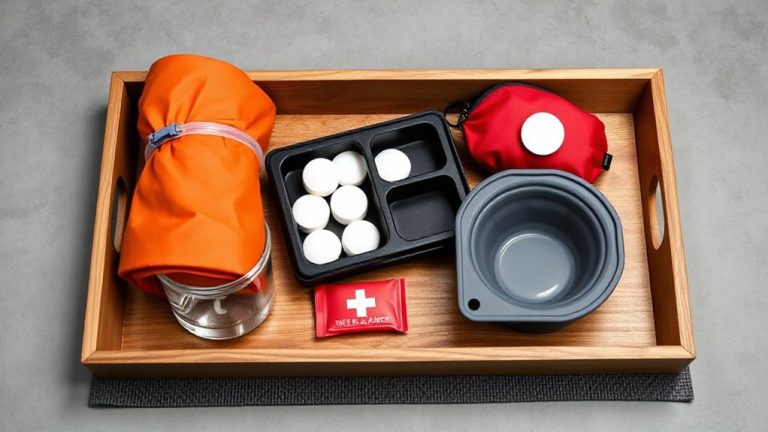
A basic toolkit of five to seven specialized supplies guarantees safe and effective anal gland expression at home. You’ll need medical-grade latex or nitrile gloves-their puncture resistance maintains hygiene during handling. Glove selection is critical: nitrile offers superior chemical resistance if using medicated wipes. Use sterile gauze pads (2” x 2”) to capture secretions and minimize mess. A hemostat or gloved fingertip applies controlled pressure near the 4 and 8 o’clock positions. Lubricant types matter: water-soluble, non-irritating formulas like KY Jelly reduce friction and prevent mucosal tearing. Include a disinfectant spray with at least 70% isopropyl alcohol for surface sanitation. An examination light with 500+ lumens improves visibility. Optional but recommended: a waste-receiving tray lined with absorbent paper. All supplies must be clean, accessible, and organized before beginning.
How to Express Your Dog’s Anal Glands
While proper preparation guarantees safety, correct technique determines effectiveness when expressing your dog’s anal glands at home. Begin with your dog positioned comfortably, rear-end accessible. Wear gloves and use a tissue to gently squeeze the area at 4 o’clock and 8 o’clock positions near the anus. Apply steady pressure inward and upward to express fluid. This action constitutes an anal gland massage, which should be smooth and controlled. If resistance occurs, stop-forcing can cause injury. Most dogs need this done every 3–6 weeks, depending on secretion accumulation. Regular expression is one of the most practical home care tips for preventing impaction or infection. Use lubricant if necessary, but avoid aggressive probing. Monitor the discharge; normal fluid is thin, yellowish-brown, and foul-smelling. Thick, discolored, or granular secretions may indicate a problem. Consistency in technique guarantees reliable results and supports long-term anal health.
If You See Blood, Stop Immediately
If blood appears during anal gland expression, stop the procedure immediately-this is a clear sign of injury or irritation. Continuing risks worsening tissue damage and increases infection risk due to open wound exposure. Blood clotting may occur naturally in minor cases, but avoid relying on it as a fix. The anal sac lining is delicate; trauma can lead to abscess formation or chronic inflammation. Clean the area gently with a sterile saline solution, not hydrogen peroxide, which damages healthy tissue. Monitor for swelling, pus, or persistent bleeding over the next 24 hours. If symptoms persist, contact a veterinarian promptly. Never reuse contaminated gloves or tools-this elevates infection risk. Applying light pressure with a clean gauze pad can assist blood clotting without irritation. Remember, forced expression can rupture internal structures. Professional assessment guarantees safe resolution. Your dog’s health depends on recognizing limits and acting accordingly.
On a final note
You now have the tools to safely express your dog’s anal glands at home. Perform the procedure only when clinical signs appear, such as scooting or excessive licking. Use latex gloves and water-soluble lubricant to minimize trauma. Apply gentle, inward-upward pressure at the 4 and 8 o’clock positions around the anus. If you notice blood, pus, or resistance, stop immediately-these indicate possible infection or rupture. Consult a veterinarian promptly. Regular monitoring prevents complications.