Teething Challenges in Small Mammals: What Every Owner Should Know
Your rabbit or guinea pig’s teeth grow 2–3 mm per week and require constant wear to prevent overgrowth. Misaligned molars, often from genetics or jaw structure like brachygnathism, cause painful spurs and weight loss. Provide unlimited hay (25–35% NDF) for natural abrasion and dental alignment. Use chew toys: hardwoods, 2x2x1-inch fiber blocks, or 3-inch PVC-free balls. Weekly checks and proper diet reduce malocclusion risks. Understanding these needs helps you manage long-term oral health.
Notable Insights
- Small mammals like rabbits and guinea pigs suffer dental issues from misaligned or overgrown teeth due to continuous growth.
- Drooling, weight loss, and small fecal pellets signal dental pain despite normal appetite.
- A hay-based diet with 80–90% grass hay ensures proper tooth wear and digestive health.
- Chew toys made of safe wood, fiber blocks, or cardboard promote natural dental abrasion.
- Weekly mouth checks and toy rotation help prevent malocclusion and detect problems early.
Common Signs of Dental Trouble in Small Mammals
Dental issues in small mammals often start with subtle changes you might overlook. Drooling is an early sign, often mistaken for saliva from drinking but actually linked to oral discomfort. You may notice wetness around the chin or chest fur, a red flag for dental pain. Weight loss follows as chewing becomes painful, reducing food intake. Molars misaligning by as little as 1–2 mm alter bite mechanics, impairing grinding. This leads to inefficient mastication, especially in species with continuously growing teeth. Appetite may seem normal, but food remains uneaten or only partially chewed. Fecal pellets decrease in size and quantity within days. Behavioral changes include lethargy and reduced grooming. You should monitor daily food consumption and body weight using a digital scale accurate to ±1 gram. Early detection improves treatment success. Radiographs confirm lesions, but clinical signs like drooling and weight loss demand immediate veterinary consultation.
Why Rabbits and Guinea Pigs Get Overgrown Teeth
Misaligned molars are a leading cause of overgrown teeth in rabbits and guinea pigs. When molars don’t meet properly, they fail to wear down, resulting in elongation and painful spurs. This often stems from jaw misalignment, where the maxilla and mandible don’t align anatomically, disrupting normal occlusion. Jaw misalignment may be congenital or acquired due to trauma or infection. Genetic predisposition also plays a role-certain bloodlines are more prone to dental abnormalities. Brachygnathism, a condition where the lower jaw is undershot, is a common inherited defect. It alters molar alignment, accelerating uneven wear. You’ll notice symptoms like drooling, reduced appetite, or weight loss. Radiographs often reveal elongated tooth roots pressing into the jawbone-sometimes deforming bone structure. Incisors can overgrow too, even if molars seem unaffected. Corrective dental trimming under veterinary supervision may be required monthly. Prevention is limited when anatomy or genetics are involved.
How a Hay-Based Diet Keeps Teeth Healthy
Fiber is the foundation of healthy teeth in small herbivores like rabbits and guinea pigs. A hay-based diet guarantees continuous dental wear, which prevents overgrowth. Your pet’s teeth grow continuously-at rates up to 2–3 mm per week-so constant grinding is essential. Hay nutrition provides the necessary long-strand fiber that stimulates jaw muscles and磨合 tooth surfaces. Timothy, orchard grass, and meadow hay contain 25–35% neutral detergent fiber (NDF), ideal for proper gastrointestinal and dental function. Unlike pellets or soft foods, coarse hay creates natural abrasion during mastication, maintaining correct occlusion. Without sufficient hay, uneven dental wear leads to malocclusion, spurs, and pain. Experts recommend hay make up 80–90% of your pet’s daily intake. Unlimited access guarantees consistent chewing, supporting both digestive health and ideal tooth length. Proper hay nutrition isn’t just dietary-it’s preventive dentistry. For optimal results, choose high-quality best guinea pig hay that meets both nutritional and dental needs.
Top Chew Toys That Keep Teeth in Check
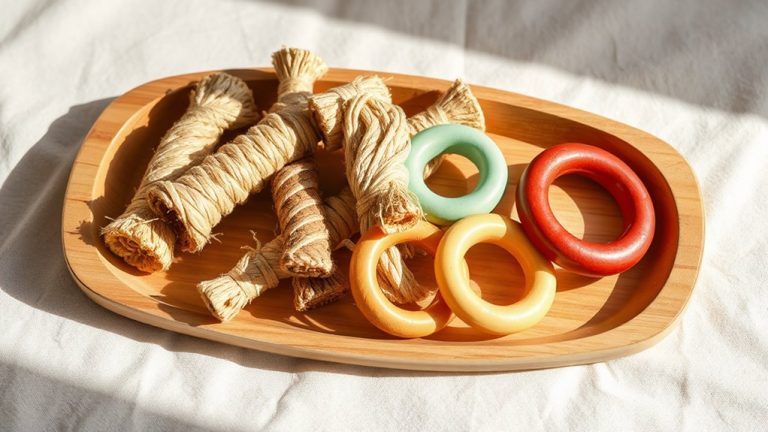
Even with a perfect hay diet, your small mammal still needs additional outlets to manage relentless tooth growth. Chew toy textures play a critical role in dental wear-hardwoods like apple and willow offer moderate resistance ideal for daily gnawing. Compressed fiber blocks, measuring 2x2x1 inches, provide dense abrasion to flatten molar surfaces. PVC-free plastic chew balls, 3 inches in diameter, withstand aggressive grinding while minimizing splinter risk. Introduce new chew toy textures weekly to prevent habituation and maximize jaw muscle engagement. Toy rotation benefits include sustained interest and even tooth wear; replace items every 4–6 weeks or when visibly worn. Natural loofah sections and tightly rolled cardboard tubes offer safe, fibrous options. Avoid chemically treated woods or painted surfaces. Each toy should fit securely in the enclosure without obstructing movement. Monitor usage patterns to assess effectiveness and adjust accordingly. For a curated selection of safe and effective options, check out the best chew toys for small animals.
When to See a Vet for Malocclusion or Tooth Spikes
How can you tell when your small mammal’s dental health crosses the line from manageable to critical? Watch for clear signs like drooling, weight loss, or refusal to eat hard foods. These may indicate malocclusion causes like genetic misalignment or trauma. Tooth spike symptoms-such as excessive grinding, cheek swelling, or eye discharge-signal sharp overgrowths piercing soft tissue. Left untreated, these conditions cause infection and severe pain.
| Symptom | Likely Cause | Action Needed |
|---|---|---|
| Drooling, wet chin | Malocclusion causes | Vet exam within 24 hrs |
| Weight loss | Painful chewing | Immediate assessment |
| Eye discharge | Tooth spike symptoms | Imaging & trimming |
| Refusal to eat pellets | Dental overgrowth | Professional treatment |
Any persistent behavior change warrants urgent vet care. Early intervention prevents complications and restores normal function.
How to Prevent Dental Problems From Coming Back
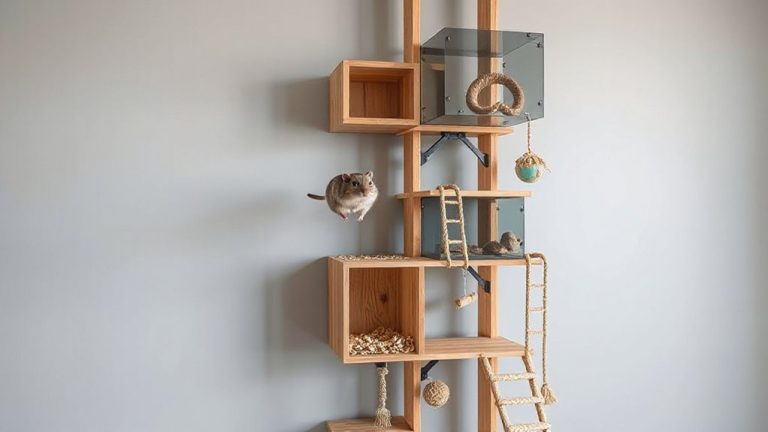
Most dental issues in small mammals stem from continuous tooth growth exceeding normal wear, a problem that recurs without consistent preventive care. You must provide constant access to high-fiber foods like grass hay, which promotes natural tooth wear through prolonged chewing. Dental genetics play a role in predisposition to malocclusion, so knowing your pet’s breed risks is essential. For example, dwarf rabbits and some guinea pig lines inherit weaker occlusal alignment. Pair proper nutrition with environmental enrichment-offer untreated wood blocks, cardboard tubes, and chew-safe toys to stimulate gnawing. These items should measure 1.5–3 cm in diameter to encourage effective jaw motion. Perform weekly mouth checks for swelling or drooling. Rotate chew products every 7–10 days to maintain engagement. Clean surfaces regularly to avoid bacterial buildup. Preventive care isn’t occasional-it’s daily, deliberate, and scientifically grounded.
On a final note
You must monitor your small mammal’s dental health closely. Overgrown teeth occur frequently in rabbits and guinea pigs due to their open-rooted dentition, with incisors growing 2–3 mm weekly. A diet of 80% grass hay guarantees proper wear. Use chew toys made of untreated applewood or compressed hay, 2–3 inches in size, for effective abrasion. Seek veterinary care promptly for signs of malocclusion or sharp enamel spurs, which can lacerate oral tissue.