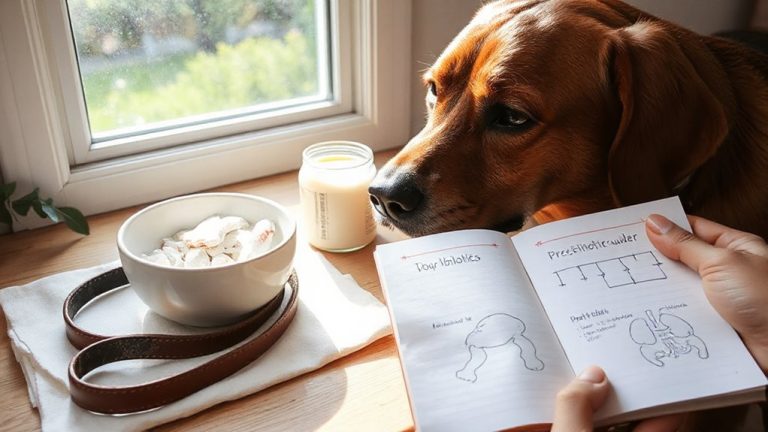
What to Pack in a Pet Evacuation Go-Bag for Hurricanes and Floods
Pack 3 days of food per pound of body weight-like 6 cups dry kibble and 3 cans wet food for a 20-pound dog-in resealable, waterproof bags. Store 3 gallons of water in FDA-approved, BPA-free containers; include purification tablets or a Sawyer Squeeze filter. Carry a hard-sided, airline-approved carrier with 6 inches extra space, secured with seatbelts. Use a 500-lb tensile nylon leash and double-clip harness. Include stainless steel ID tags, ISO-standard microchip info, and medical records in an IPX7-rated waterproof case. Add a snug-fitting calming wrap and favorite chew toy. Rotate food, water, and meds monthly-details on ideal rotation schedules follow.
Notable Insights
- Pack one day’s worth of food per pound of body weight, using sealed, waterproof bags with dates and contents labeled.
- Store 1 gallon of water per pet per day in FDA-approved containers with purification tablets or a portable filter.
- Include a 7-day supply of medications in original containers with dosing instructions and waterproof medical records.
- Use a hard-sided, airline-approved carrier sized for comfort and secure it during transport with seatbelts or bungees.
- Attach a stainless steel ID tag and ISO-standard microchip, and keep documents in a waterproof, IPX7-rated case.
Pack 3 Days of Pet Food and Water
Three days is the minimum standard for emergency pet supplies, and you’ll need to pack enough food and water to meet that threshold. Provide one full day’s portion of food per pound of your pet’s body weight. For a 20-pound dog, that’s approximately 2 cups of dry kibble daily. Include food variety to prevent refusal during stress-rotate wet and dry options, especially for cats. Store all meals in resealable, waterproof bags labeled with contents and date. Pack one gallon of water per pet per day: 3 gallons for a small dog over 72 hours. Use FDA-approved containers with built-in water purification tablets or portable filters like Sawyer Squeeze, which remove 99.9999% of bacteria. Purification guarantees safety if clean water isn’t available. Do not rely on natural sources. Pre-measure rations. Test shelf life monthly. Replace any expired or compromised supplies immediately. Consider using freezer-safe pet food storage for long-term preservation of wet food before packing.
Bring Medications and Vet Records
You’ve packed food and water for three days-now safeguard your pet’s health with medications and vet records. Include all current prescriptions in original labeled containers to verify medication dosage and expiration dates. Store pills in a waterproof, crush-proof case rated for shock and moisture resistance. Bring written instructions for each drug, including dosage frequency and administration method. Attach a copy of your pet’s medical history, vaccination records, and microchip ID to your emergency file. This documentation is essential if shelters or vets require proof of health. Guarantee at least a seven-day supply of each medication, exceeding the 72-hour evacuation window. Confirm whether your veterinarian allows emergency prescription refill authorization during disasters. Store digital backups on a password-protected USB drive. These records act like a medical passport-critical during prolonged displacement. Without them, treatment delays or dosing errors may occur. Be precise. Be prepared.
Carry a Secure Carrier and Leash
A reliable carrier and leash form the foundation of safe pet evacuation during hurricanes and floods. Carrier safety is critical-use a hard-sided, airline-approved crate with secure latches and ventilation on at least three sides. The carrier should allow your pet to stand, turn, and lie down comfortably; measure your pet’s height and length, then add six inches to determine minimum crate dimensions. Secure the carrier with bungee cords or seatbelts in vehicles to prevent shifting. Leash durability matters during high-stress evacuations. Choose a 6-foot leash made of ½-inch-wide nylon or biothane, rated to withstand at least 500 pounds of tensile force. Avoid retractable leashes-they fail under pressure. Use a harness with a double-clip attachment for added control. Together, these tools guarantee containment and mobility when conditions are dangerous. For cats who resist hard crates, a well-ventilated soft cat carrier can serve as a more comforting alternative if it meets safety and containment standards.
Add a Comfort Item for Stress Relief
Staying calm during evacuation isn’t just important for you-it’s essential for your pet too. A familiar favorite toy can reduce anxiety by providing sensory continuity amid disruption. Choose one made of durable, non-toxic materials-rubber or high-tenacity polyester-resistant to chewing and moisture. Include a calming wrap, a compression garment designed to apply gentle, consistent pressure across the torso. These wraps mimic swaddling, triggering a neurological response that reduces cortisol levels. Most effective models fit snugly within 2–3 inches of your pet’s chest girth and use adjustable hook-and-loop fasteners for secure fit. Clinical studies show such pressure systems lower heart rate by 10–15% in 85% of dogs during high-stress events. Avoid oversized wraps; improper fit diminishes efficacy. Pair the toy and wrap to create a dual sensory-anchor system, increasing behavioral stability during transit and shelter stays. For added relief, consider including an anxiety-reducing pet accessory supported by expert recommendations.
Include ID Tags and Microchip Info
If your pet becomes separated during evacuation, immediate identification drastically improves recovery odds. Pet identification is essential for emergency reunification. Attach a durable collar tag with your pet’s name and your current phone number. Choose tags made of stainless steel or aluminum with engraved text-these resist wear and remain legible after exposure to water or debris. Make certain the tag is at least 1 inch in diameter for readability. Microchipping provides a permanent backup: the microchip number links to your contact information in a national database. Confirm the chip uses ISO standard 11784/85 and is registered with your most up-to-date details. Scanners at shelters and vet clinics read these chips instantly. Never rely solely on GPS collars-signal loss or battery failure renders them useless. Physical tags and microchips are proven, reliable tools for pet identification and swift emergency reunification.
Store Documents in a Waterproof Bag
When preparing for hurricane or flood evacuation, safeguarding your pet’s critical documents in a waterproof container isn’t optional-it’s essential. A waterproof container with a secure, overlapping seal protects against floodwater and heavy rainfall. Use a sealed plastic pouch or rigid case rated IPX7 or higher for submersion resistance up to 1 meter for 30 minutes. Document safety depends on both material and design: opt for a clear, heat-sealed polyethylene sleeve inside a shock-resistant polycarbonate shell. Store vaccination records, microchip certificates, adoption papers, and emergency contacts. Label the exterior with your name and “PET DOCUMENTS” in bold, 12-point text. Containers should measure at least 9 x 6 inches to fit standard papers without folding. Avoid paper clips or staples-they corrode. Digital backups on a password-protected USB drive add redundancy. Document safety guarantees faster processing at shelters and veterinary checkpoints.
Review and Refresh Your Kit Monthly
Regularly checking your pet’s go-bag guarantees every component remains functional, accessible, and up to date. Inspect food and water supplies monthly; replace any expired canned food, ensuring at least 10 ounces of water per pound of pet weight is stored. Medications degrade over time-discard outdated prescriptions and verify dosages match current vet recommendations. Test flashlight batteries, replacing them with lithium variants rated for 7–10 years shelf life. Backup supplies like extra leashes, collapsible bowls, and first-aid items must be present and undamaged. Conduct emergency drills every 30 days to confirm familiarity with evacuation routes and bag retrieval. Simulate power outages to assess response speed. Update identification tags and microchip data quarterly. Store backup supplies in vacuum-sealed, labeled packages within the go-bag. A refreshed kit improves response effectiveness during floods or hurricanes. Replenish items immediately after drills or inspections.
On a final note
You must maintain your pet’s go-bag with precision. Store 3 days’ worth of food (minimum 24 oz for a 30-lb dog) in airtight, moisture-resistant containers. Use collapsible 16-oz nylon bowls. Include a CSA-rated carrier (18” x 12” x 12” minimum) and a 6-ft break-resistant leash. Label all medications with dosing schedules. Use a waterproof document sleeve meeting IPX7 standards. Refresh supplies monthly to prevent spoilage.