Trim Dog Paw Pad Hair to 3–6mm: Safe Step-by-Step Method
Trim your dog’s paw pad hair to 3–6 mm to prevent ice buildup and debris trapping in cold, wet conditions. Use sharp, stainless steel scissors with a micro-serrated edge or a trimmer with a guard. Work on a non-slip mat after calming your dog with treats and acclimation. Gently spread the pads, trim slowly along the contours, and avoid pressing too deep. Check for nicks, then apply paw balm with shea butter. You’ll find further details on proper tool maintenance and handling difficult coats.
Notable Insights
- Trim paw pad hair to 3–6 mm to prevent ice, dirt, and debris buildup in cold or rough environments.
- Use sharp, pointed stainless steel scissors with a micro-serrated edge for precise, slip-free cutting.
- Prepare your dog by acclimating them to tools and using a non-slip mat in a calm environment.
- Gently spread the pads and trim hair with slow, controlled strokes, following the paw’s natural contours.
- After trimming, inspect for nicks, apply vet-approved paw balm, and seek help if bleeding or infection occurs.
Why Trim Hair Between Your Dog’s Paw Pads
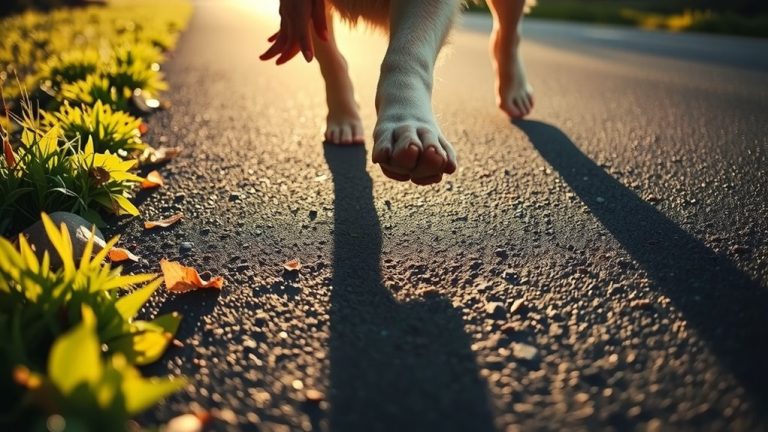
Why should you bother trimming the hair between your dog’s paw pads? Because untrimmed hair creates conditions for ice accumulation and debris trapping, both of which compromise paw health and mobility. Long interpad hair collects dirt, gravel, and organic matter, increasing friction against surfaces and promoting bacterial growth. In cold climates, moisture wicks into dense fur and freezes, forming ice balls that strain joints and reduce traction. Trimmed hair, maintained at 3–6 mm length, minimizes surface area for foreign material adhesion. This length also allows natural pad ventilation while preventing matting. Ice accumulation is not just uncomfortable-it can lead to frostbite or cracked paw skin. Debris trapping often results in micro-abrasions, escalating infection risk. Regular trimming supports biomechanical stability, especially on slick or rough terrain. You’re not grooming for looks-you’re optimizing function, protection, and endurance. Proper maintenance directly correlates with reduced veterinary intervention and improved locomotor efficiency.
Grab the Right Tools for Safe Trimming
Sharp, clean trimming scissors with a pointed tip and a 3.5-inch blade length are essential for precision work around your dog’s paw pads. Scissors choice directly impacts grooming safety and effectiveness. Use stainless steel grooming scissors with a micro-serrated edge to prevent hair slippage during cutting. A 3.5-inch blade allows control in tight spaces without increasing injury risk. Rounded-tip scissors are unsuitable-they bend hair instead of cutting it cleanly. Guarantee blades stay locked during use via a smooth, adjustable screw mechanism. Clean blades with isopropyl alcohol before and after use to maintain hygiene. Dull tools tug at hair, increasing discomfort and cutting inaccuracies. Proper Scissors choice reduces trimming time and enhances grooming safety. Replace scissors if blades chip or lose alignment. High-quality grooming tools may cost more, but they deliver consistent performance. Always inspect tools before each use. Proper maintenance guarantees reliability and extends tool life. For reliable options, check out the Best Dog Grooming Scissors Picks based on expert testing and user feedback.
Calm Your Dog Before Trimming Their Paws
If your dog is anxious during grooming, take time to establish a calm environment before handling their paws. Calming your dog supports stress reduction and improves cooperation. Begin in a quiet room with minimal distractions to influence dog behavior positively. Use a non-slip grooming mat to provide stability and comfort. Speak in a low, even tone to reinforce a sense of safety. Offer gentle petting or light massage, focusing on the shoulders and back-not the paws yet. Allow your dog to sniff and inspect tools first; familiarity reduces fear. A 5- to 10-minute acclimation period prepares them mentally. Pair calm behavior with small, soft treats to reinforce positive association. Avoid sudden movements. Think of it like prepping a machine for a sensitive task-steady input yields smoother operation. This baseline guarantees safer, more effective trimming later. Consider using vet-recommended anxiety relief solutions to further ease nervous dogs during grooming sessions.
Trim Hair Between Dog Pads Step-by-Step
Start by gently lifting your dog’s paw and spreading the pads slightly to expose the hair growing between them. This area often traps moisture, creating an ideal environment for bacteria and fungal growth, so maintaining proper paw moisture control is essential. Use blunt-tipped scissors or a precision grooming trimmer with a guard set to 3–6 mm, depending on your dog’s hair texture. Fine, soft hair may require a 3 mm guard; coarse, dense hair often needs 6 mm for safe, effective trimming. Trim in slow, controlled strokes, following the natural contour of the pads. Avoid pressing too hard to prevent skin irritation. Keeping the hair short helps reduce debris accumulation and supports better traction. Proper technique guarantees hygiene and mobility while preserving skin health.
Avoid Common Paw Trimming Mistakes
Why do so many pet owners struggle with paw pad trimming despite using the right tools? Overgrown fur between pads creates slipping hazards, especially on smooth surfaces. You must trim frequently-every three to four weeks-to prevent this. Use blunt-tipped scissors with a 4.5-inch blade for control; never use sharp-tipped shears near sensitive paw tissue. Hold the paw firmly but gently, spreading the pads to expose all hair. Cut parallel to the pad surface, removing only protruding hairs-leave 3–5 mm to avoid irritation. Avoid cutting too close; nicking skin increases infection risk. Electric clippers with a guard (3 mm) offer consistency for thick or curly coats. Work in a well-lit area to spot hidden tangles. Stop if your dog pulls away-resume later to prevent accidents. Proper technique prevents injury and maintains traction.
Soothe Paws After Trimming Dog Hair
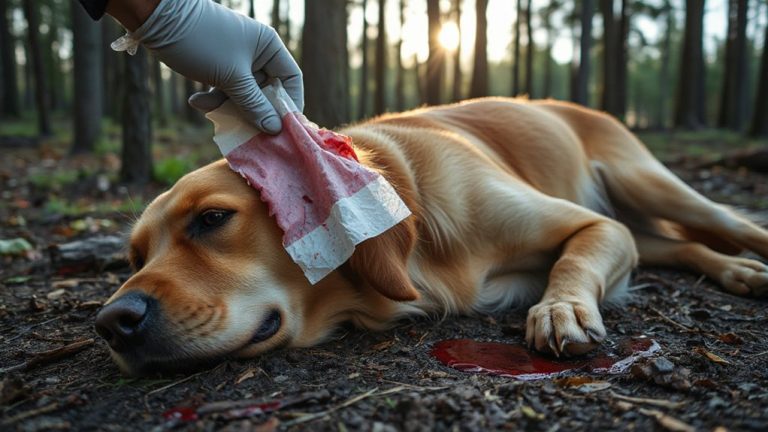
After trimming your dog’s paw hair, the focus shifts to protecting the freshly cut skin and maintaining pad integrity. Perform a post trim inspection to detect nicks, redness, or irritation. Use a bright light and gently spread each toe to examine thoroughly. Even minor abrasions can become infected without proper care. Apply a vet-approved paw balm to lock in moisture and support healing. Paw balm application forms a protective barrier against dirt and desiccation. Look for products containing shea butter, beeswax, and calendula-these support cell regeneration. Avoid synthetic fragrances or dyes. Massage a pea-sized amount into each pad using circular motions. Repeat every 48 hours if needed. Keep your dog indoors briefly to prevent contamination. Monitor for any signs of discomfort. Proper aftercare guarantees fast recovery and long-term paw health. For best results, consider using one of the top-rated paw balms recommended for dogs with sensitive or exposed paw pads.
When to See a Pro for Paw Hair Trimming
How do you know when trimming your dog’s paw hair goes beyond a routine grooming task? When you encounter matted fur tightly stuck to the skin or overgrown nails curling into the paw pads, it’s time to call a pro. Attempting DIY removal can cause injury. Professionals use precise tools and techniques to safely address complex issues.
| Issue | Risk Level | Recommended Action |
|---|---|---|
| Matted fur near pads | High | Seek professional groomer |
| Overgrown nails with pad contact | Moderate to High | Schedule vet or groomer visit |
| Bleeding or signs of infection | Critical | Immediate veterinary care |
Persistent tangles reduce air circulation, promoting bacterial growth. Overgrown nails alter gait, leading to joint stress. A certified groomer or veterinarian has the expertise and tools-like high-precision clippers and hemostats-to intervene safely. Don’t wait until pain or lameness appears. Preventive professional care guarantees long-term paw health.
On a final note
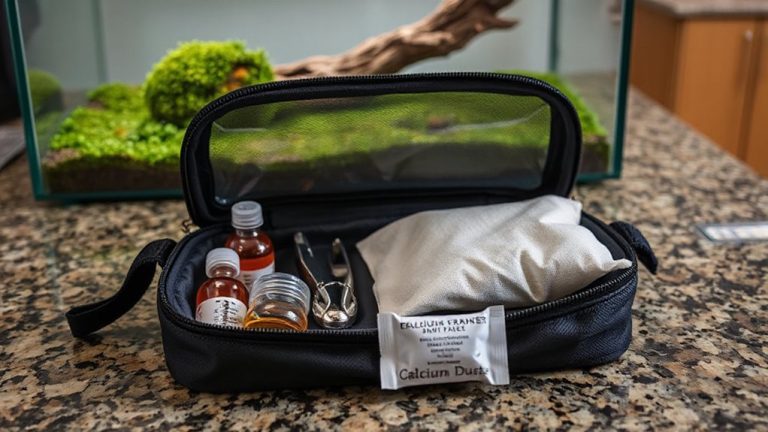
You’ve trimmed safely when fur is even with the pad surface, reducing slip and debris buildup. Use blunt-tipped scissors with 3–5 cm blades for control and precision. Avoid cutting into the quick or splitting hair, which invites infection. Proper trimming improves traction on smooth floors by up to 40%. Check weekly; regrowth averages 1–2 mm per week. For mats or anxious dogs, consult a groomer. Keep styptic powder nearby-it stops minor bleeds in seconds.