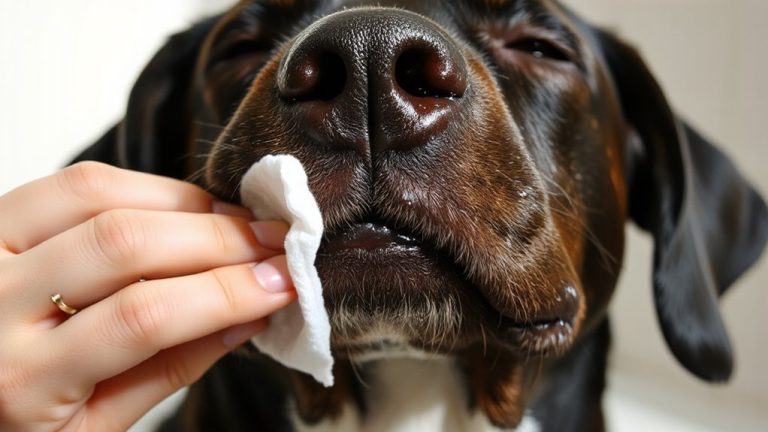
Treating Chronic Lip Fold Dermatitis in Bulldogs and Other Wrinkled Breeds
You must clean your dog’s lip folds daily with a soft, moistened gauze and a veterinary antiseptic like chlorhexidine. Dry thoroughly afterward-moisture levels over 80% in the fold promote bacterial growth. For active infections, apply prescribed mupirocin twice daily and use acetic acid solutions to lower pH. If redness spreads or no improvement occurs within 48 hours, systemic antibiotics like cephalexin (15–30 mg/kg q12h) may be necessary. Persistent cases often require ongoing hygiene and veterinary monitoring.
Notable Insights
- Clean lip folds daily with a vet-approved antiseptic wipe to remove moisture, debris, and bacteria.
- Dry folds thoroughly after cleaning to prevent microbial growth in warm, humid microenvironments.
- Apply prescription topical antibiotics or antifungals as directed for active bacterial or yeast infections.
- Seek veterinary care if redness spreads, pus forms, or no improvement occurs within 48 hours.
- Address underlying anatomy; consider surgical correction for recurrent cases unresponsive to medical management.
Why Does My Bulldog Get Lip Fold Dermatitis?
What makes your bulldog so prone to lip fold dermatitis? Your bulldog’s risk stems directly from anatomy predisposition and breed genetics. Selective breeding has created deep facial folds that trap moisture, food, and debris. These warm, dark crevices become ideal environments for bacterial and yeast overgrowth. The lower lip fold often rests against the jawline, maintaining prolonged skin-on-skin contact. This occlusion reduces air circulation, elevating humidity levels above 80% in the microenvironment-ideal for microbial proliferation. Breed genetics further compound this issue; bulldogs inherit shortened muzzles and excess skin, both linked to chr.15 gene markers associated with wrinkle development. These traits are not merely cosmetic-they functionally impair natural skin clearance mechanisms. The anatomy predisposition means even healthy dogs accumulate irritants. Without intervention, inflammation begins within 48 hours of sustained moisture exposure. This condition isn’t accidental-it’s an expected outcome of structural compromise rooted in genetic selection.
How to Tell If Your Dog Has Lip Fold Dermatitis
How can you spot the early signs of lip fold dermatitis before it worsens? Look for redness, swelling, or darkened skin within the lip folds-these changes indicate early inflammation. Symptoms appearance often includes moist, irritated tissue that may progress to cracking or ulceration if untreated. You might notice your dog pawing at their mouth or showing discomfort while eating. A persistent foul odor presence is a key sign, caused by bacterial or yeast overgrowth in the warm, damp fold environment. The area may feel warm to the touch and exhibit exudate-a sign of active infection. In chronic cases, hair loss and thickened skin develop due to prolonged irritation. Early detection relies on routine inspection using a clean gauze pad to gently separate the fold and assess for discoloration, moisture, or debris accumulation-critical steps in identifying disease before systemic treatment becomes necessary.
How to Clean Bulldog Lip Folds to Prevent Infection
Regular inspection of your bulldog’s lip folds sets the foundation for proactive care, especially after identifying early signs like redness or odor. Clean the folds daily using a soft, moistened gauze pad or cotton cloth. Gentle wiping removes trapped food, moisture, and bacteria that promote infection. Avoid rough materials or excessive pressure to prevent micro-abrasions. Use a veterinary-formulated, non-irritating cleanser with antiseptic properties, such as one containing 2% chlorhexidine. Rinse if directed, then proceed immediately to proper drying. Proper drying is critical-residual moisture fosters bacterial and fungal growth. Use a dry, absorbent gauze pad to wick away moisture, ensuring the fold’s base is fully dry. Inspect with a small flashlight to verify no dampness remains. Repeat cleaning at least once daily, ideally after meals. Consistent technique considerably reduces infection risk.
Best Treatments for Active Lip Fold Dermatitis
You’ll need to act quickly and precisely when treating active lip fold dermatitis in your bulldog, as delays can worsen inflammation and lead to deeper infection. Clean the affected area gently with a veterinary-approved antiseptic wipe twice daily. Apply a prescription topical antibiotic-such as mupirocin or chlorhexidine-acetic acid solution-directly to the lesion using a cotton swab. This reduces bacterial load and prevents secondary infection. Your vet may also prescribe anti-inflammatory medications like topical corticosteroids or oral NSAIDs to decrease swelling and discomfort. Use these only as directed, as prolonged steroid use can thin the skin. Keep the lip fold dry and aerated post-application. Treatments typically show improvement within 48 hours. Continue full therapy for the prescribed duration to prevent recurrence. Monitor the site daily for redness, discharge, or odor.
When Should You Call the Vet?
What happens when the redness spreads beyond the lip fold or fails to improve after 48 hours of treatment? You should call the vet immediately. Persistent symptoms suggest a deeper infection needing systemic therapy. Severe swelling restricts normal lip anatomy and may obstruct airflow in extreme cases. Pus discharge indicates bacterial proliferation requiring culture and targeted antibiotics.
Watch for these clinical signs:
| Symptom | Clinical Significance |
|---|---|
| Redness spreading | Possible cellulitis or systemic spread |
| No improvement in 48h | Inadequate topical treatment response |
| Severe swelling | Risk of airway compromise |
| Pus discharge | Active bacterial infection present |
| Foul odor | Necrotic tissue or anaerobic involvement |
Delaying intervention risks abscess formation and secondary complications. Veterinarians may prescribe oral antibiotics like cephalexin (15–30 mg/kg every 12 hours) or clindamycin for resistant strains. Early professional assessment guarantees better outcomes.
On a final note
You must maintain consistent lip fold hygiene to prevent recurring dermatitis. Clean folds daily with a chlorhexidine solution (2% concentration), ensuring complete drying afterward. For active infections, topical antimicrobials like miconazole-chlorhexidine ointment provide targeted therapy. Severe cases may require systemic antibiotics based on culture sensitivities. Persistent inflammation warrants veterinary evaluation. Proper care reduces complications, keeping deep folds-common in bulldogs-free of moisture, debris, and pathogenic overgrowth.