Strategies for Managing Weight in Brachycephalic Breeds Like Bulldogs and Pugs
Feed your bulldog or pug a high-protein, low-glycemic diet with 30–35% animal-based protein and complex carbs like sweet potatoes. Measure meals precisely using a digital scale to stay within ±5 grams of target portions. Offer two meals 12 hours apart, totaling 20–30 kcal per pound of ideal body weight. Incorporate low-impact exercise such as 10-minute walks at 0.5–1.5 mph or short swimming sessions with a life jacket. Weigh weekly on a scale accurate to ±0.1 lb and adjust intake if weight plateaus. Aim for a body condition score of 4–5 on a 9-point scale. Maintaining ideal weight-40–50 lbs for bulldogs, 14–18 lbs for pugs-reduces respiratory strain and joint stress, lowering osteoarthritis risk. Each extra pound increases joint load, but losing 10% of body weight can reduce ground reaction forces by up to 25%. You’ll soon discover how small changes lead to measurable improvements in energy and health.
Notable Insights
- Feed high-protein, low-glycemic diets with 30–35% animal-based protein and complex carbs to support muscle and control insulin.
- Practice precise portion control using a scale to feed 20–30 kcal per pound of ideal body weight daily.
- Implement twice-daily meals to stabilize metabolism and prevent overfeeding in prone-to-graze brachycephalic breeds.
- Perform low-impact exercises like slow walking or swimming for 10–15 minutes to protect joints and airways.
- Monitor weight weekly and adjust calories or activity if weight plateaus, targeting a Body Condition Score of 4–5/9.
Pick the Best Food for Weight Loss in Bulldogs and Pugs
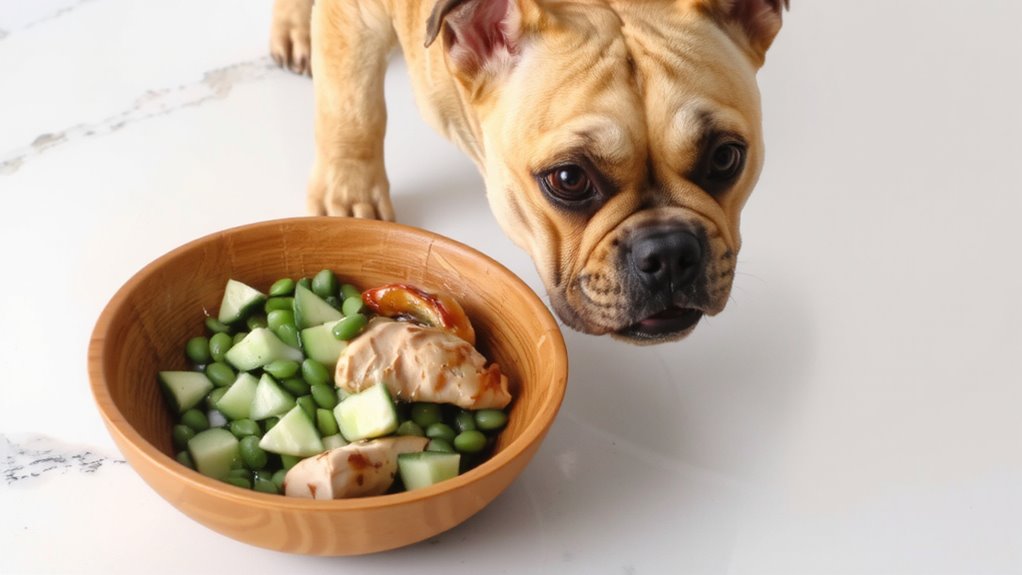
What makes certain dog foods more effective for weight loss in brachycephalic breeds like Bulldogs and Pugs? High protein diets preserve lean muscle mass during caloric restriction. They typically contain 30–35% protein from animal sources like chicken meal or turkey. This supports metabolism and reduces muscle atrophy. Low glycemic treats stabilize blood glucose and reduce fat storage. They’re made with complex carbohydrates such as sweet potatoes or barley, which digest slowly. Rapid spikes in insulin promote fat retention, especially in sedentary dogs. Choose foods with at least 20% fiber from beet pulp or flaxseed to enhance satiety. Avoid fillers like corn or wheat. Opt for formulas meeting AAFCO standards for adult weight management. Brands with clinical studies showing ≥10% body weight loss in 8 weeks are ideal. Always verify nutrient profiles on packaging. For training purposes, consider best soft dog treats that are low in calories and support weight management goals.
Measure Portions Precisely: Keep Your Dog Full and Lean
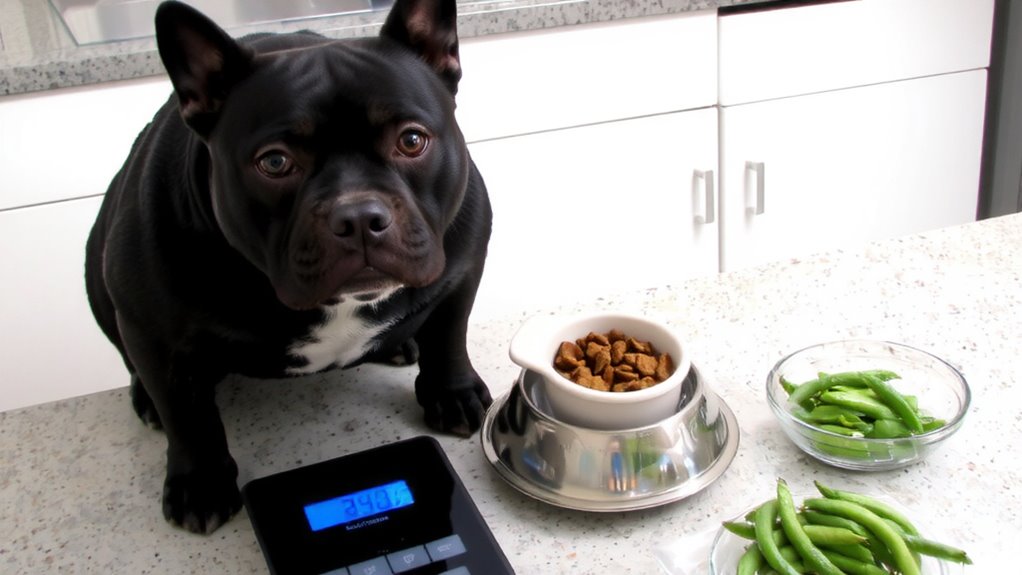
Even a single extra scoop of food each day can lead to a pound of unwanted weight over a month. You must measure portions precisely using a calibrated measuring cup or digital kitchen scale-aim for accuracy within ±5 grams. Consistent meal timing supports metabolic regulation; feed your dog two scheduled meals 12 hours apart to prevent grazing and stabilize insulin. Divide the daily recommended intake based on your dog’s ideal body weight, not current weight. For example, a 20-lb pug should consume approximately 600 kcal/day, adjusted for activity. Proper hydration levels are critical-offer 1 ounce of water per pound of body weight daily. Use slow-feed bowls to increase satiety without extra calories. Overfeeding by just 10% can negate weight loss efforts, so adhere strictly to portion guidelines. Monitoring intake and hydration supports lean body mass retention during weight management.
Try These Low-Impact Exercises for Flat-Faced Dogs
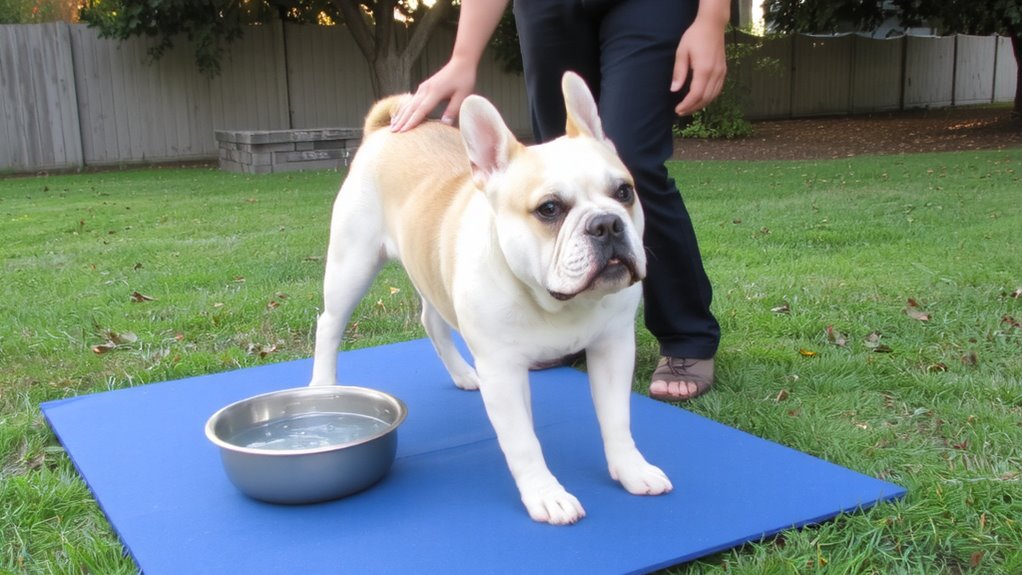
Maintaining a healthy weight involves more than just portion control-controlled physical activity plays a key role, especially for brachycephalic breeds prone to overheating and respiratory stress. Use a slow, steady walking pace of 0.5–1.5 mph for short durations-10 to 15 minutes-during cooler hours. Avoid steep inclines and hot surfaces to reduce exertion and paw burn. Swimming routines offer ideal low-impact cardiovascular conditioning; water supports joints while enhancing muscle engagement. Limit sessions to 10 minutes initially, using a life vest for safety and buoyancy. A well-fitted best life jackets for bulldogs ensures optimal support and safety during aquatic exercise. Monitor respiratory rate; exceed 60 breaths per minute indicates distress. Exercise on flat, shaded terrain with frequent hydration breaks. These approaches minimize airway strain while sustaining caloric expenditure. Consistent, measured movement complements dietary control and supports long-term metabolic health.
Track Weight Weekly and Adjust the Plan
A consistent weekly weigh-in is critical for monitoring progress in brachycephalic dogs, whose unique physiology makes weight fluctuations more impactful on respiratory and joint health. Weekly tracking using a digital pet scale accurate to ±0.1 lb guarantees precise measurement. Record values in a log or app to visualize trends over time. Small deviations signal when plan adjustments are needed. If weight plateaus beyond two weeks, reassess caloric intake and activity levels. Reduce daily calories by 5–10% or increase low-impact exercise duration by 5-minute increments. Avoid abrupt changes. Use body condition scoring (BCS) alongside weight data-target a BCS of 4–5 on a 9-point scale. Adjust feeding amounts based on metabolic rate, typically 20–30 kcal per pound of ideal body weight per day. Consistent data collection enables targeted, effective plan adjustments for sustainable weight management.
Prevent Breathing and Joint Issues With a Healthy Weight
Since brachycephalic breeds already face compromised airways due to shortened craniofacial anatomy, excess weight markedly increases respiratory resistance, making every breath more labored. You can substantially reduce the risk of respiratory fatigue by maintaining your dog’s weight within ideal breed parameters. For instance, a healthy adult Bulldog should weigh 40–50 lbs, while Pugs typically range from 14–18 lbs. Every additional pound increases joint strain, particularly in the hips and knees, accelerating wear on cartilage. Joint strain worsens with age and can lead to early-onset osteoarthritis, especially in dogs over 5 years. Reducing body weight by just 10% decreases ground reaction forces on joints by up to 25%. Lean muscle mass supports mobility without overloading articulations. You’ll notice improved stamina and less panting during short walks. Preventive weight control isn’t just cosmetic-it’s a functional necessity for airway efficiency and musculoskeletal integrity. Choosing the right best dog food for Boston Terriers can support healthy weight management and overall wellness in brachycephalic breeds.
On a final note
You must maintain a consistent weight management plan for your brachycephalic dog. A healthy weight reduces airway resistance and lowers systolic blood pressure by up to 10 mmHg. Feed a high-protein, low-fat diet with L-carnitine, such as Hill’s Metabolic Advanced, precisely measuring portions to 70% of resting energy requirement. Conduct twice-daily 10-minute leash walks at 0.5 mph. Monitor weight weekly using a calibrated digital scale.