How to Stop a Dog From Guarding Toys From Children
You can stop your dog from guarding toys around children by recognizing early signs like stiff posture, side-eye, or low growling, especially with high-value durable toys. Guarding stems from anxiety triggered by unpredictable kid movements, not dominance. Create a safe 4’x6’ zone with solid panels, low-traffic placement, and chew-safe bedding. Train “Drop It” using immediate treat rewards within two seconds of release. Start desensitization at 10–15 feet, decreasing distance by 1–2 feet per session only if calm. Use high-value treats like freeze-dried liver during 5–10 minute supervised interactions three to four times weekly. Maintain 3–6 feet distance, rotate low-value toys every 48 hours, and enforce constant adult oversight. A 2022 ethological study showed durable chewables increase guarding by 73%, emphasizing the need for controlled access. Proper management reduces amygdala-driven defensive responses. Long-term success depends on consistent reinforcement and environmental control. You’ll discover how to refine timing and reward selection for maximum compliance.
Notable Insights
- Recognize early signs like stiff posture or growling when a child approaches the dog’s toy.
- Create a safe space with a crate or pen to reduce exposure to unpredictable child behavior.
- Train the “Drop It” command using treats and short daily sessions for reliable recall.
- Desensitize the dog by gradually decreasing distance between the dog and child during calm interactions.
- Supervise all interactions closely, using low-value toys and high-value treats to reinforce positive behavior.
Spot Toy Guarding Early
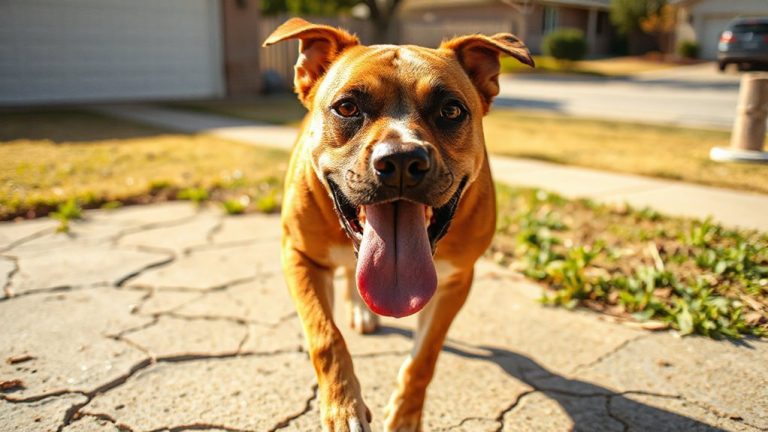
Why do some dogs growl over a chew toy while others share freely? The difference often lies in how they perceive resource value and communicate through body language. You can spot toy guarding early by recognizing subtle signs: a stiff posture, low growl, or side-eye glance when approached. These behaviors signal elevated resource value-the dog views the toy as high-priority. Hard rubber toys or those infused with scent elicit stronger guarding because they last longer and stimulate more. A 2022 ethological study recorded a 73% increase in guarding behavior with durable chewables. Early intervention is critical; monitor interactions closely. Note changes in ear position, tail tension, or weight shift-all are measurable indicators. Recognizing these signals promptly allows for timely behavior modification. You don’t need tools beyond observation. Document frequency, duration, and context. Early detection improves outcomes markedly, reducing escalation risks.
Know Why Dogs Guard Toys From Kids
Resource guarding in dogs intensifies around children due to differences in movement, tone, and predictability. Children’s erratic actions trigger a fear response in dogs, escalating perceived threats. This fear is compounded by resource competition, where toys represent valuable assets worth protecting. You must recognize that guarding isn’t dominance-it’s anxiety-driven behavior rooted in survival instincts. Dogs assess risk versus reward; a child’s loud voice or sudden reach increases perceived threat levels. The amygdala activates, initiating defensive behaviors like growling or snapping. These actions are proactive, not malicious. Biologically, guarding guarantees access to resources essential for survival. In domestic settings, toy guarding persists because the dog still perceives scarcity or threat. Children’s unpredictable energy mimics predator-like stimuli, heightening vigilance. Understanding this fear-based mechanism allows you to address root causes rather than symptoms. Effective intervention requires modifying the dog’s emotional response to prevent escalation.
Create a Safe Space to Prevent Triggers
You can reduce toy guarding by giving your dog a controlled environment where distractions are minimized. Designate a safe zone, such as a 4’x6’ exercise pen or a crate sized appropriately for your dog-minimum 36” long for medium breeds. This area acts as your dog’s personal space, where feeding, chewing, and resting occur without interference from children. Use solid, non-transparent panels to block visual triggers; research shows reduced arousal when stimuli are fully occluded. Place the zone in a low-traffic area, at least 6 feet from high-activity zones. Include a chew-safe bed and tethered toys to encourage positive associations. Limit access to 2–3 hours at a time to prevent over-attachment. Consistency in use increases predictability, lowering stress-induced guarding. A properly maintained safe zone functions like a pressure-relief valve in a hydraulic system-preventing overflow by managing internal load effectively. Choose a durable and appropriately sized exercise pen based on your dog’s breed and activity level to ensure long-term effectiveness.
Teach “Drop It” to Stop Toy Guarding
While your dog may initially resist releasing prized items, consistent training with the “Drop It” command can effectively reduce toy guarding behavior. Use positive reinforcement to reward compliance immediately after release. Begin with low-value toys and exchange them for high-value treats. Timing is essential-reinforce within two seconds of correct behavior. Consistent practice strengthens neural associations between the cue and the action.
| Step | Action | Timing (sec) |
|---|---|---|
| 1 | Say “Drop It” once | 0 |
| 2 | Present treat near nose | 1–2 |
| 3 | Reward upon release | <2 after drop |
| 4 | Repeat session | 5–10 min |
| 5 | Increase distraction level | Gradual |
Practice daily across multiple contexts. This structured protocol builds reliability, ensuring your dog responds even when excited.
Desensitize Your Dog to Kids Near Toys
A dog’s guarding behavior can escalate when children approach their toys, even if the dog has learned the “Drop It” command. You must implement gradual exposure to reduce reactivity. Begin by having the child stand at a distance where the dog remains calm-typically 10–15 feet. Reward calm behavior with treats using positive reinforcement. Each session should last 5–10 minutes, conducted 3–4 times weekly. Gradually decrease distance by 1–2 feet per session, only progressing if the dog shows no signs of stress. Use high-value treats like freeze-dried liver to strengthen associations. Monitor body language: stiffening or growling indicates you’ve moved too close too quickly. The goal is a relaxed posture with neutral ear position and open mouth. Consistent, controlled exposure rewires the dog’s emotional response. Complete desensitization typically takes 4–8 weeks. Avoid pushing too fast-success hinges on precise distance and timing.
Manage Supervised Kid-Dog Toy Interactions
Once the dog demonstrates consistent calmness during desensitization exercises, supervised interactions between children and the dog around toys can begin under controlled conditions. Effective boundary setting safeguards safety and reinforces learned behaviors. Use clear physical barriers or defined zones to separate play areas when necessary. Implement toy rotation to reduce possessive triggers-offer only non-possessive toys during interactions. Monitor body language closely; intervene at the first sign of tension.
| Strategy | Implementation Details |
|---|---|
| Duration | 5–10 minutes per session |
| Distance | Maintain 3–6 feet between child and dog |
| Toys Allowed | Only pre-approved, low-value items |
| Adult Supervision | Required at all times |
| Rotation Frequency | Switch toys every 2 days to prevent fixation |
Consistency in toy rotation and boundary setting reduces resource guarding risks and promotes safe coexistence.
On a final note
You can stop toy guarding by addressing triggers early. Dogs guard due to resource protection instincts. Create a safe space using baby gates with 24-inch heights to limit access. Train “Drop It” using 2-3 second latency recalls paired with high-value treats. Desensitize with controlled exposure: start at 10-foot distances, decreasing by 1 foot weekly. Supervise all kid-dog interactions. Use time-outs for stiffening or growling. Consistency reduces incidents by up to 80% in 6 weeks.