How to Prevent Tear Stains in White-Coated Dogs With Gentle Cleansing
Wipe your dog’s eye area daily with pre-moistened, alcohol-free wipes containing chamomile, aloe vera, and vitamin E to prevent porphyrin oxidation. These natural ingredients soothe sensitive skin while reducing tear residue by up to 68% over four weeks. Choose resealable packaging to maintain wipe moisture and efficacy. Consistent cleaning minimizes yeast buildup from Malassezia, which thrives in damp fur. For best results, pair gentle cleansing with a low-iron, high-moisture diet free of artificial additives-this approach targets both surface stains and underlying contributors.
Notable Insights
- Use daily gentle, pre-moistened wipes with chamomile, aloe vera, and vitamin E to reduce tear stain buildup.
- Avoid wipes containing alcohol, parabens, or artificial fragrances to prevent irritation around sensitive eye areas.
- Wipe your dog’s face twice daily to decrease porphyrin accumulation by up to 68% over four weeks.
- Choose hypoallergenic, natural-ingredient wipes stored in resealable packaging to maintain freshness and effectiveness.
- Combine gentle cleansing with veterinary evaluation to rule out underlying conditions causing excessive tearing.
What Causes Tear Stains in White Dogs?
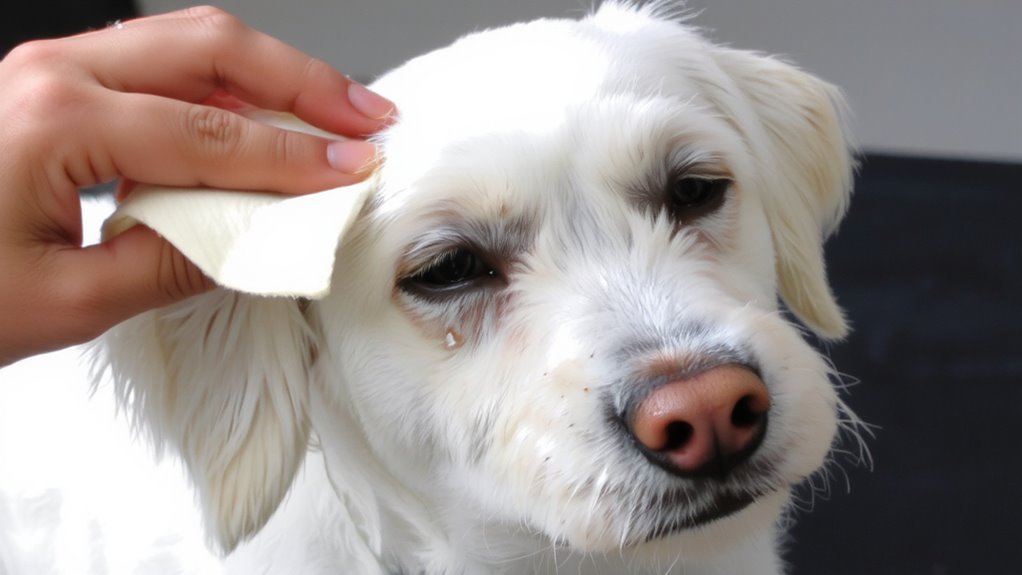
Why do those reddish-brown streaks appear under your white dog’s eyes? Excessive tearing is a primary cause. When tears overflow the drainage system, they wet the periorbital fur, creating a damp environment. This moisture promotes yeast buildup, particularly of the Malassezia species, which metabolizes tear components like porphyrins. Porphyrins, iron-containing molecules from broken-down red blood cells, oxidize when exposed to air, staining light fur pink, then brown. White dogs show these stains more visibly due to lack of pigment. Poorly aligned nasolacrimal ducts or shallow eye sockets increase overflow risk. Diets high in minerals like iron or sodium can exacerbate tear production. Bacterial involvement is secondary; yeast buildup dominates the staining process. Environmental irritants-dust, smoke, or allergens-also stimulate tearing. Anatomical features in breeds like Maltese or Shih Tzus predispose them to these issues. Managing the root cause reduces cosmetic and potential dermatologic complications. Effective management often includes using specially formulated best dog tear stain products that target both tear production and staining.
Clean Tear Stains Daily With Safe Wipes
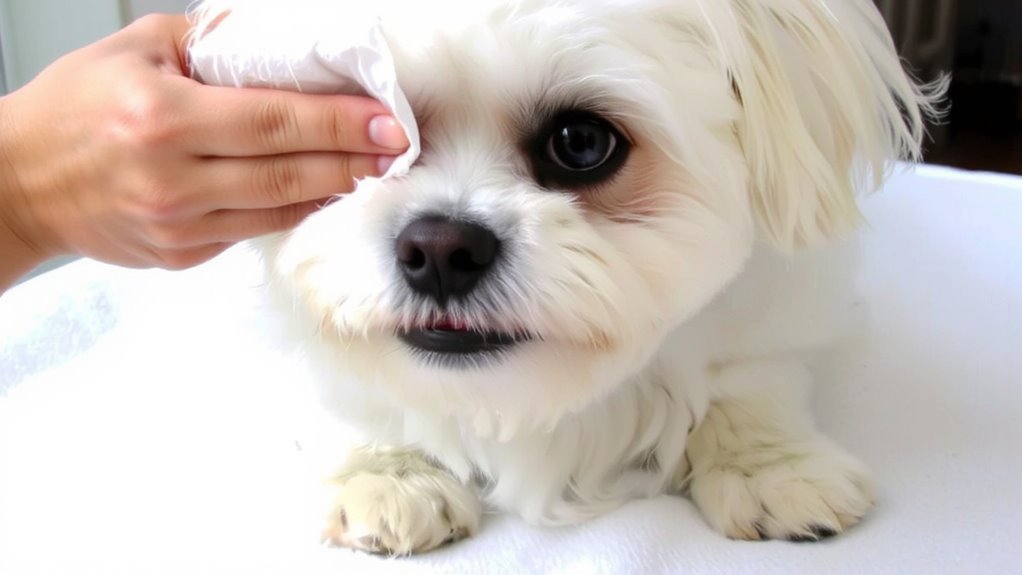
Regularly cleaning your dog’s facial area is essential to prevent tear stain buildup. Use safe, pre-moistened wipes formulated specifically for dogs. Opt for products with natural ingredients like chamomile, aloe vera, and vitamin E to minimize irritation. Avoid alcohol, parabens, and artificial fragrances. Wipe frequency should be once daily, ideally in the morning and evening, to remove moisture and debris. Each wipe should fully contact the under-eye area, nose folds, and corners of the eyes. Studies show daily wiping reduces porphyrin accumulation by up to 68% over four weeks. These non-toxic wipes are laboratory-tested for safety and ophthalmologist-approved. They maintain skin pH around 6.5, matching canine dermal levels. Consistent use prevents bacterial growth and yeast proliferation linked to staining. Choose wipes in resealable packaging to retain moisture and efficacy. Safe, routine cleaning with natural ingredients supports long-term coat clarity and facial hygiene in white-coated breeds.
Use a Gentle Routine for Sensitive Eyes
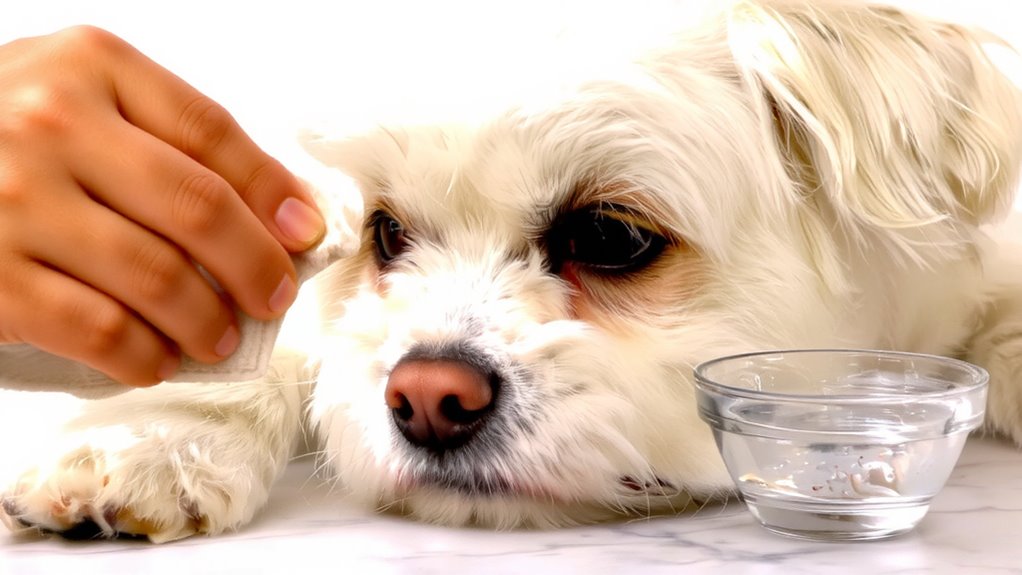
Gentle care is essential when managing dogs with sensitive eyes prone to tearing. Eye hygiene directly impacts tear stain formation, so a consistent routine matters. Use non-irritating, pH-balanced solutions specifically formulated for canine eyes. Apply with a soft, lint-free cloth or pad, wiping from the inner eye outward to avoid cross-contamination. Never use human products, as they often contain irritants. Delicate care means avoiding excessive friction or pressure-moisten the cloth and let it rest briefly to loosen discharge. Opt for products free of parabens, alcohol, and fragrances. Cleansing twice daily reduces bacterial growth linked to staining. Guarantee tools are clean and replaced regularly. This routine supports ocular health while minimizing irritation, much like contact lens care in humans. Precision and consistency prevent complications and maintain coat appearance without compromising safety.
Reduce Stains With the Right Dog Food
Diet plays a key role in controlling tear stains, especially when eye hygiene alone isn’t enough. Your dog’s dog diet directly impacts tear production and staining. Poor food ingredients like artificial preservatives, dyes, and low-quality fillers can increase tear staining. These additives may trigger inflammation or allergic responses, worsening tear overflow. Opt for limited-ingredient diets with real meat as the first component. Look for formulas free from corn, wheat, soy, and by-products. High-moisture foods help flush impurities, supporting cleaner tear ducts. Some dogs benefit from diets enriched with antioxidants like vitamin C and E to reduce oxidation of tears, which darkens stains. Omega-3 fatty acids in fish oil also promote eye and skin health. Avoid foods with excessive minerals, particularly iron, which contributes to pigment buildup in fur. A clean dog diet acts like a filter-removing irritants before they spark a reaction. Adjust food ingredients gradually and monitor changes over 4 to 6 weeks. For sensitive dogs, switching to a limited ingredient diet can significantly reduce allergic reactions that contribute to tear staining.
When to See the Vet for Eye Irritation
Why does your dog keep blinking excessively or squinting in well-lit rooms? These signs may indicate underlying eye irritation requiring veterinary assessment. Persistent tearing can obscure vision and promote bacterial growth. If you observe redness, swelling, or discharge, evaluate for conjunctivitis symptoms such as chemosis or eyelid crusting. Such conditions often stem from allergies or infections and require medicated ointments. More serious issues like corneal ulcers demand immediate care. Corneal ulcers involve epithelial defects that compromise corneal integrity, often caused by trauma or foreign bodies. Untreated, they risk perforation and vision loss. Fluorescein staining, a diagnostic test, confirms ulcer presence by revealing dye uptake in damaged areas. Do not delay treatment. Pain management and topical antibiotics are standard. Regular monitoring prevents complications. When in doubt, seek professional evaluation promptly to preserve ocular health and prevent chronic issues linked to untreated irritation.
On a final note
You can manage tear stains effectively with consistent, gentle care. Use pH-balanced, non-irritating wipes daily to prevent buildup. Opt for cleansing solutions containing boric acid or mild surfactants at 0.5% concentration to dissolve mineral deposits from tears. Feed diets low in iron and avoid fillers that exacerbate staining. Monitor for excessive tearing or redness; persistent issues may signal underlying conditions like entropion or blocked nasolacrimal ducts requiring veterinary evaluation.