How to Prevent Muscle Loss in Dogs on Calorie-Restricted Diets
Feed your dog a precisely measured, vet-approved weight-loss diet with at least 25% high-quality protein on a dry matter basis. Use animal-based proteins like chicken or fish, ensuring digestibility exceeds 85%. Provide a minimum of 3 grams of protein per kg of body weight daily to maintain muscle. Measure food with a digital scale accurate to 5 grams and adjust portions if weight loss exceeds 1–2% weekly. You’ll discover how timing meals and exercise enhances results.
Notable Insights
- Feed highly digestible, animal-based proteins like chicken, egg, or fish to maintain muscle mass during calorie restriction.
- Provide at least 3 grams of high-quality protein per kg of body weight daily to support muscle preservation.
- Time meals to align with activity, offering the largest meal 30–60 minutes post-exercise for optimal amino acid uptake.
- Avoid prolonged fasting by feeding two to three balanced meals daily to prevent muscle catabolism.
- Combine appropriate exercise, such as uphill walking, with adequate protein intake to sustain muscle during weight loss.
How to Help Your Dog Lose Weight Without Losing Muscle
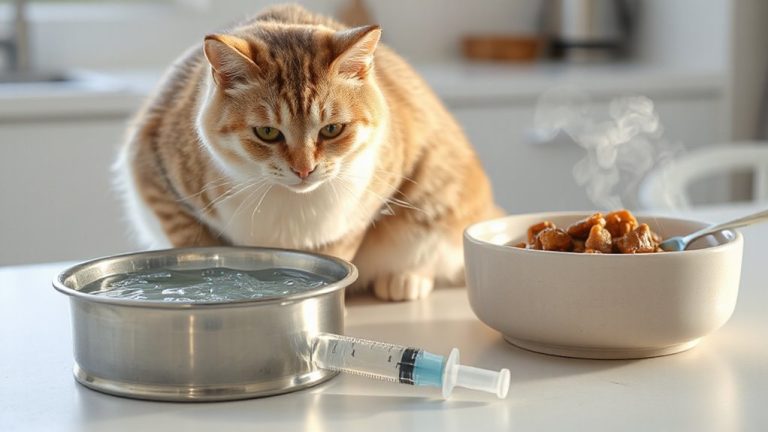
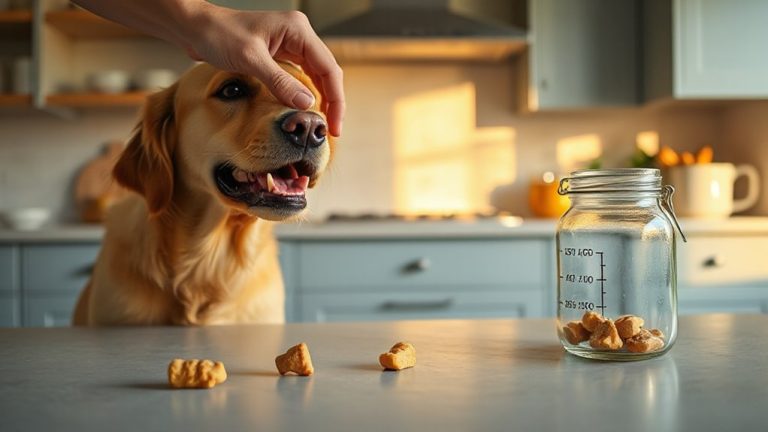
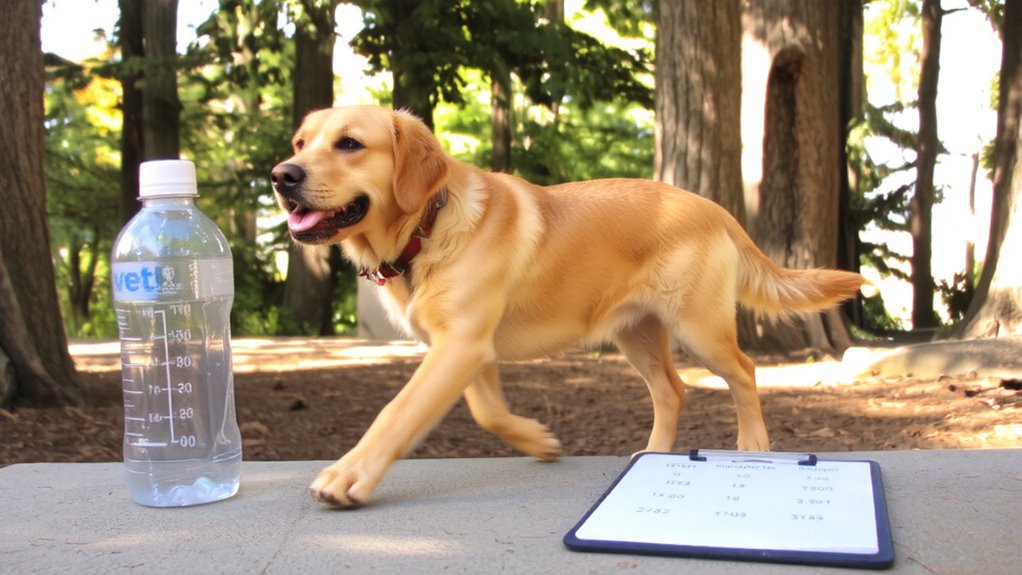
Your dog’s muscle mass matters just as much as the pounds they’re shedding. Maintaining lean tissue during weight loss requires precise nutritional management and consistent activity. Portion control is critical-reduce daily caloric intake by 10–20% below maintenance needs, based on resting energy requirement (RER = 70 × body weight in kg^0.75). Use a digital scale to measure food, ensuring accuracy within 5 grams. Prioritize high-quality, digestible protein-minimum 25% on a dry matter basis-to support muscle retention. Hydration balance must be maintained; dogs need 50–60 ml water per kg of body weight daily. Dehydration can impair protein synthesis and reduce exercise tolerance. Offer fresh water constantly and monitor intake, especially in warm environments. Weigh your dog biweekly using a calibrated scale to track progress. Adjust portions if weight loss exceeds 1–2% of body weight per week. Combine these strategies with daily moderate exercise, like 30-minute leash walks, to optimize fat loss while preserving muscle.
Choose a Vet-Approved Diet for Safe Weight Loss
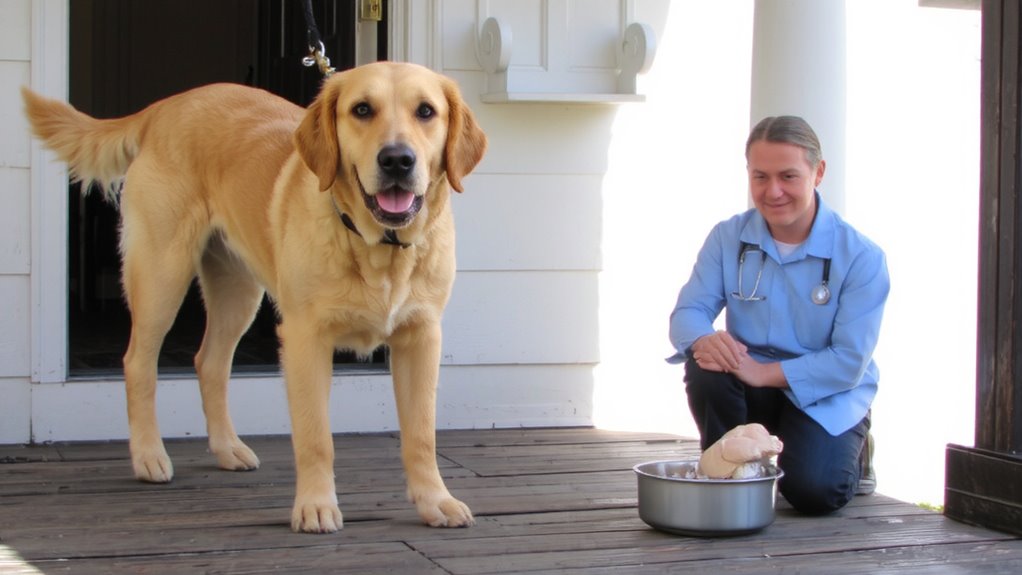
A well-structured weight loss plan starts with selecting a diet that meets veterinary standards for safety and efficacy. You need veterinary supervision to identify underlying health issues and tailor a plan to your dog’s specific needs. Commercial weight-loss diets vary in formulation, so choose one labeled for “calorie restriction” with AAFCO certification, ensuring nutritional balance. These diets typically contain 20–30% fewer calories than maintenance formulas while preserving essential nutrients. Protein should be high-quality and comprise at least 25% of dry matter to support lean mass. Fiber content ranges from 8–12% to promote satiety without compromising digestibility. Avoid over-the-counter diets lacking clinical validation. Your vet can recommend brands tested in feeding trials with documented success rates exceeding 80% in safe weight reduction. Regular check-ups monitor progress and adjust caloric intake, ensuring your dog loses fat-not muscle.
Feed High-Quality Protein to Keep Muscle Strong
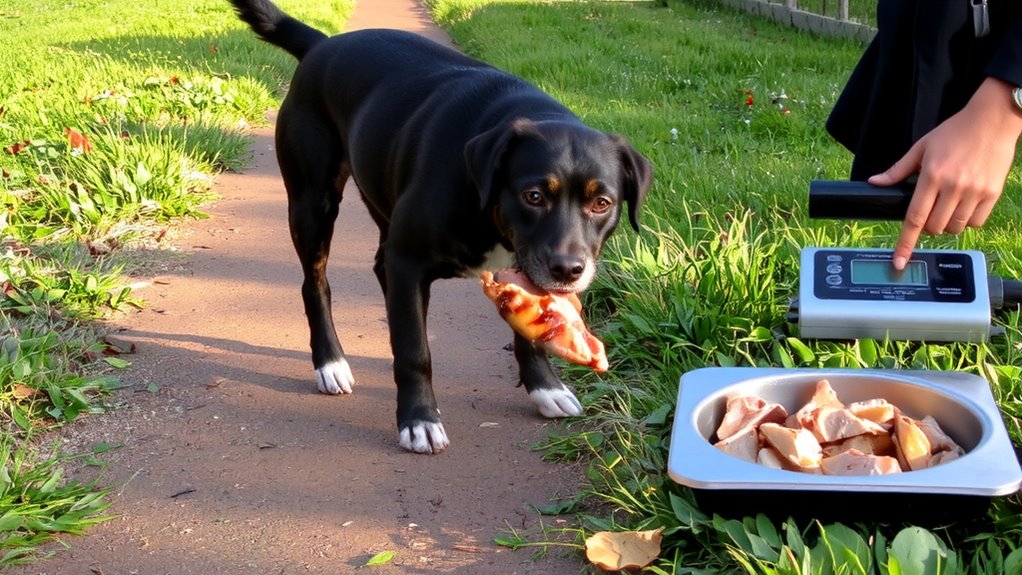
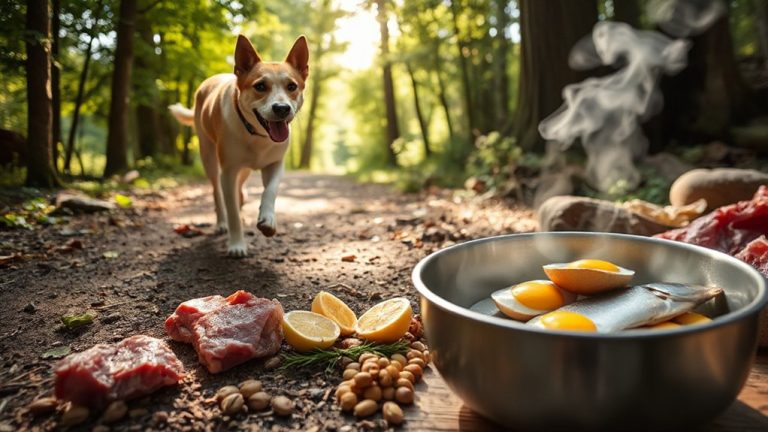
Protein quality matters when preserving muscle during canine weight loss. You must feed high-quality protein to supply essential amino acids that support muscle maintenance. These amino acids, especially leucine, trigger muscle protein synthesis, helping counteract breakdown during calorie restriction. Look for diets with animal-based proteins-chicken, egg, or fish-because they offer complete amino acid profiles and higher digestibility, typically above 85%. Plant proteins often lack key amino acids and digestibility drops below 75%, reducing muscle benefits. Protein timing also plays a role: spreading protein intake across meals maintains amino acid availability. Aim for at least 3 grams of high-quality protein per kilogram of body weight daily, split into two meals. This approach sustains muscle metabolism without increasing total calories. Always check the Guaranteed Analysis on labels to verify protein sources and levels.
Time Meals to Maximize Fat Loss and Recovery
Spacing meals properly can make a significant difference in how your dog loses weight and recovers. Strategic meal timing supports metabolic efficiency and helps preserve lean mass. Feed two to three evenly spaced meals daily, aligning intake with activity periods. This approach enhances nutrient partitioning-directing energy toward muscle repair instead of fat storage. Provide the largest meal 30–60 minutes post-activity, when insulin sensitivity peaks and amino acid uptake increases. Avoid prolonged fasting, which can trigger muscle catabolism. Consistent meal timing stabilizes glucose levels, reducing hunger-driven stress. For dogs on calorie restriction, this balance improves fat oxidation while minimizing protein breakdown. Studies show timed feeding regimens increase lean mass retention by up to 18% during weight loss. Adjust intervals based on breed metabolism: smaller breeds may need more frequent feeding due to higher metabolic rates. Precision in scheduling optimizes recovery and body composition outcomes.
Use Daily Exercise That Builds Strength, Not Just Burns Calories
While burning calories matters, building strength is what truly protects your dog’s muscle during weight loss. Strength training helps maintain lean mass even in a calorie deficit. Include resistance activities like walking uphill, using weighted vests (5–10% of body weight), or pulling controlled drags with resistance bands. These exercises stimulate type II muscle fibers, essential for maintaining muscle volume and metabolic rate. Aim for 20–30 minutes daily, combining moderate intensity with controlled movements. Short bursts of stair climbing or trotting over uneven terrain also enhance neuromuscular activation. Avoid overexertion-monitor heart rate (target: 140–160 bpm for medium dogs). Unlike treadmill runs focused solely on endurance, strength training improves joint stability and functional mobility. Consistency matters more than duration. Pair these resistance activities with proper protein intake timed post-exercise. This dual approach maximizes muscle retention.
On a final note
You can preserve muscle during canine weight loss with precision. Feed a vet-approved, calorie-controlled diet rich in high-quality protein-aim for at least 25% crude protein on a dry matter basis. Split meals into two daily portions to stabilize nitrogen balance and support muscle synthesis. Combine moderate aerobic activity with resistance exercises, like walking uphill or stair climbing, 30 minutes twice daily. This approach targets fat loss while maintaining lean mass.