Cat Face Wound After a Fight: Saline Cleaning Steps
Check your cat’s face for cuts deeper than 2 mm, swelling over 1 cm, or abnormal discharge after a fight. Use sterile saline and non-woven gauze to gently wipe wounds with outward strokes-never cotton or alcohol. Keep sessions under two minutes in a quiet, dim area to reduce stress. Monitor for redness, pus, or worsening swelling within 24 hours. Support proper healing and learn when veterinary care becomes essential.
Notable Insights
- Use sterile saline and non-woven gauze to gently clean wounds, avoiding cotton that can leave irritating fibers.
- Moisten gauze and wipe with light, outward strokes to prevent pushing debris deeper into wounds.
- Clean around eyes and nose with a rolled gauze swab, twisting gently instead of dragging to avoid damage.
- Never use hydrogen peroxide or alcohol, as they harm tissue and delay healing in cat facial wounds.
- Monitor for redness, swelling, or pus within 24 hours, as facial infections can spread quickly due to rich blood supply.
Check for Cuts, Swelling, or Bleeding
While examining your cat’s face after a fight, start by carefully checking for cuts, swelling, or bleeding, as these are common signs of injury. Facial trauma can compromise essential structures, so inspect each feature systematically. Gently part the fur using a clean comb to expose underlying skin. Look for lacerations deeper than 2 mm, which may require veterinary suturing. Swelling exceeding 1 cm in diameter suggests inflammation or infection. Note any asymmetry in jaw alignment or nasal deviation, as these indicate possible fractures. Check closely for eye discharge, especially if purulent or bloody-it may signal ocular damage or conjunctivitis. Clear discharge is often benign, but yellow-green exudate requires prompt care. Use a magnifying lens if available to detect fine abrasions. Restrain your cat safely but firmly to prevent stress-induced movement. Never probe deep wounds. Document all findings to share with your veterinarian. Early detection improves recovery outcomes considerably.
Prepare a Cat-Safe Cleaning Kit
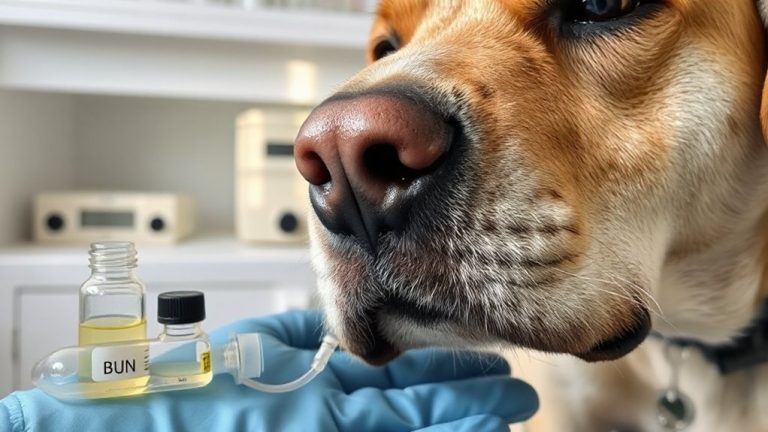
Your cat’s safety starts with a properly assembled cleaning kit designed for feline-specific care. Use a sterile saline solution (0.9% sodium chloride) to flush debris without irritating delicate tissues. Include non-woven, lint-free pads-each 3×3 inches-for gentle wiping during cat grooming. Add a soft-bristled brush, ideal for removing dried discharge while preserving facial hygiene. Incorporate a digital thermometer (accuracy ±0.1°C) to monitor for infection post-injury. Use latex-free gloves (thickness 0.07mm) to maintain sanitation. Include gauze rolls (4×4 inches, 12-count) and medical tape (1-inch width) for securing dressings if needed. Store all items in a waterproof, zip-seal container. Avoid human-grade soaps or alcohol-they disrupt the skin’s pH. A well-prepared kit guarantees rapid, effective response, minimizing risk during facial cleaning. Each component must be non-toxic and hypoallergenic. Replace expired items quarterly.
Keep Your Cat Calm During Cleaning
You’ve assembled a cat-safe cleaning kit with sterile saline, lint-free pads, and non-toxic supplies-now focus on your cat’s behavior during facial care. Calming your cat is essential to prevent stress-induced aggression or escape attempts. Begin by placing your cat in a quiet, dimly lit room-this controlled setting creates a soothing environment. Limit distractions: turn off TVs, block loud noises, and restrict access to other pets. Approach with slow, deliberate movements. Use gentle handling: support the chest and hindquarters to avoid restraint stress. If needed, wrap your cat in a soft towel, leaving only the head exposed. This method reduces struggling and enhances safety. Speak in low, even tones-familiar vocal patterns reinforce security. A calm cat allows precise wound assessment and effective debridement. Do not rush; cleaning requires 2 to 5 minutes of focused access. Sedation is unnecessary in most cases when these protocols are followed.
How to Clean a Cat’s Face After a Fight
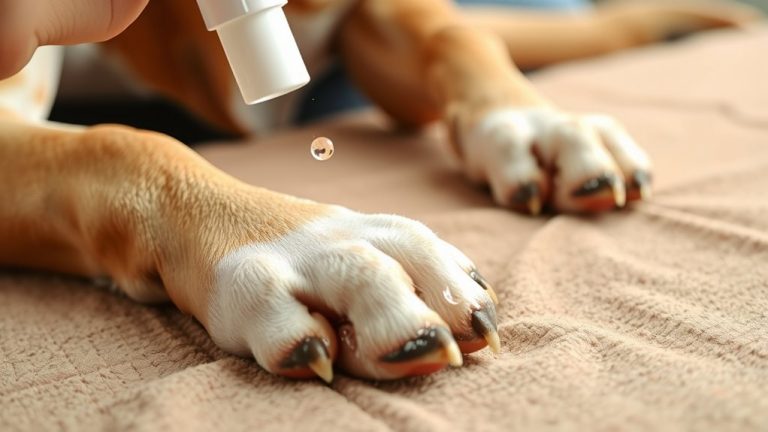
How do you guarantee effective wound care without causing further distress? Use gentle handling to minimize stress and prevent further injury. Cats have high facial sensitivity, so approach slowly and speak softly. Restrain minimally-hold just enough to prevent movement without applying pressure to affected areas. Use a sterile saline solution (0.9% sodium chloride) and non-woven gauze pads. Moisten gauze, then wipe wounds with light, outward strokes to avoid driving debris deeper. Avoid cotton, which sheds fibers and irritates tissue. For tight spaces near eyes or nose, roll gauze into a small swab and twist-not drag-over the surface. Saline flushes debris effectively without cytotoxic effects. Never use hydrogen peroxide or alcohol-they damage tissue and delay healing. Keep sessions brief, under two minutes, to preserve cooperation. Effective cleaning hinges on precision, not repetition. Maintain a calm environment to support recovery.
Look for Infection in the Next 24 Hours
After cleaning the wound, monitor closely for early signs of infection within the first 24 hours, as prompt detection is critical to preventing systemic complications. Redness detection and swelling are early indicators. Pus formation usually appears within hours if bacteria are present. Check the subsequent 4 hours for changes.
| Symptom | Time of Onset | Clinical Significance |
|---|---|---|
| Redness | 2–6 hours | Indicates inflammation |
| Swelling | 4–8 hours | Suggests immune response |
| Pus formation | 6–24 hours | Confirms bacterial infection |
Use a clean gauze pad to gently blot-never rub-if discharge appears. Avoid topical antibiotics unless directed. Infection can spread quickly due to facial tissue vascularity. Early observation guarantees timely, targeted intervention without delay.
Call the Vet If You See These Signs
Redness, swelling, or pus within the first day signals the body’s inflammatory response, but certain symptoms demand immediate professional evaluation. If you notice eye discharge-especially if it’s yellow-green or copious-it may indicate a corneal ulcer or bacterial infection requiring antimicrobial treatment. Persistent discharge can damage ocular tissue within 24–48 hours. Fever symptoms, including lethargy, warm ears, and a temperature exceeding 102.5°F, suggest systemic involvement. Use a digital rectal thermometer for accurate readings; normal feline体温 ranges from 100.5°F to 102.5°F. Delayed intervention risks abscess formation, cellulitis, or sepsis. Cats often mask pain, so subtle behavioral shifts-like reduced grooming or hiding-can be critical warning signs. Do not administer human medications; they can be toxic. Immediate veterinary care guarantees proper diagnostics, such as cytology or PCR testing, and appropriate therapy, including injectable antibiotics or surgical drainage. Prompt action prevents complications and supports faster healing.
On a final note
You must monitor your cat closely after cleaning its face. Use sterile saline and non-woven gauze to avoid fiber shedding. Apply gentle pressure with a 2 cm² swab if bleeding recurs. Infections often appear within 12–24 hours; watch for erythema exceeding 1.5 cm diameter or purulent discharge. Never use human antiseptics-feline skin pH is 6.2–7.5. Immediate veterinary care is required if swelling persists beyond 24 hours or appetite drops more than 50%.