How to Maintain Skin Barrier Function With Proper Grooming Practices
Your skin barrier keeps moisture in and irritants out using a 3:1:1 molar ratio of ceramides, cholesterol, and fatty acids. Use a pH 4.5–5.5 cleanser like a syndet bar or cream formula to preserve this balance. Avoid hot water above 105°F; limit showers to 5–10 minutes to prevent a 30% spike in water loss. Apply ceramide-rich moisturizers with occlusives like petrolatum within 60 seconds of washing. Daily consistency seals protection-key details follow.
Notable Insights
- Use pH-balanced cleansers (4.5–5.5) like syndet bars or cream cleansers to protect the acid mantle and preserve skin lipids.
- Limit showers to 5–10 minutes with water no hotter than 105°F (40°C) to prevent lipid loss and barrier disruption.
- Apply moisturizers with ceramides, cholesterol, and fatty acids in a 3:1:1 ratio immediately to damp skin post-cleansing.
- Choose sulfate-free, fragrance-free cleansers and moisturizers to avoid irritation and maintain essential skin barrier components.
- Exfoliate gently 1–2 times weekly with low-concentration AHAs or enzymes to prevent buildup without compromising barrier integrity.
What Your Skin Barrier Does (And Why It Matters)
Why does your skin stay hydrated, protected, and resilient even as it faces environmental stressors every day? Your skin barrier is responsible for maintaining this stability. It retains moisture, blocks pathogens, and regulates sensitivity. A healthy skin barrier depends on balanced lipid composition-ceramides, cholesterol, and fatty acids-present in a 3:1:1 molar ratio. This structure supports the stratum corneum’s integrity, preventing transepidermal water loss below 15 g/m²/h. Your skin microbiome, composed of beneficial bacteria like *Staphylococcus epidermidis*, reinforces this defense by inhibiting harmful microbes. These microbes also help maintain a slightly acidic pH (4.5–5.5), essential for enzyme activity in lipid synthesis. Disruptions in lipid balance compromise barrier function, increasing susceptibility to irritation and dryness. A stable skin microbiome supports immune modulation and accelerates repair. Together, microbiome balance and lipid integrity form a dynamic, responsive shield-your first line of defense against daily exposure.
Use a Cleanser That Protects Your Skin Barrier
A gentle cleanser acts as the foundation of a resilient skin barrier. You need one that maintains your skin’s pH balance-ideally around 5.5-to support natural defense mechanisms. Harsh soaps disrupt this acidity, weakening lipid protection and increasing transepidermal water loss. Choose a sulfate-free formula with ceramides or fatty acids to preserve essential lipids.
| Cleanser Type | pH Level | Lipid Protection |
|---|---|---|
| Synthetic Detergent | 8–10 | Low |
| Syndet Bar | 5.5–7 | High |
| Cream Cleanser | 4.5–6 | Moderate to High |
These formulations stabilize your skin’s acid mantle while removing dirt and oil. A well-formulated cleanser won’t strip natural oils or trigger barrier compromise. For lasting skin health, prioritize pH balance and lipid protection in your daily routine.
Avoid Hot Showers That Damage Your Skin Barrier
While warm water may feel soothing, hot showers can compromise your skin’s barrier by stripping essential lipids and disrupting its natural pH. High water temperature increases transepidermal water loss by up to 30%, accelerating barrier breakdown. Prolonged shower duration exacerbates this effect, especially when exceeding 10 minutes. Limit exposure to lukewarm water-ideally between 98°F and 105°F (37°C–40°C)-to preserve lipid integrity. Keep shower duration to 5–10 minutes to minimize structural damage to the stratum corneum. Extended heat exposure denatures skin proteins and weakens intercellular cohesion, impairing barrier function. Thermal stress also triggers neurogenic inflammation, increasing sensitivity. Opt for brief, temperate showers to maintain epidermal homeostasis. Your skin’s acid mantle, vital for microbial defense, remains stable only within a narrow range of conditions. Control both water temperature and shower duration to prevent unintended damage. These adjustments sustain barrier resilience and reduce long-term dryness.
Moisturize the Right Way to Repair Your Barrier
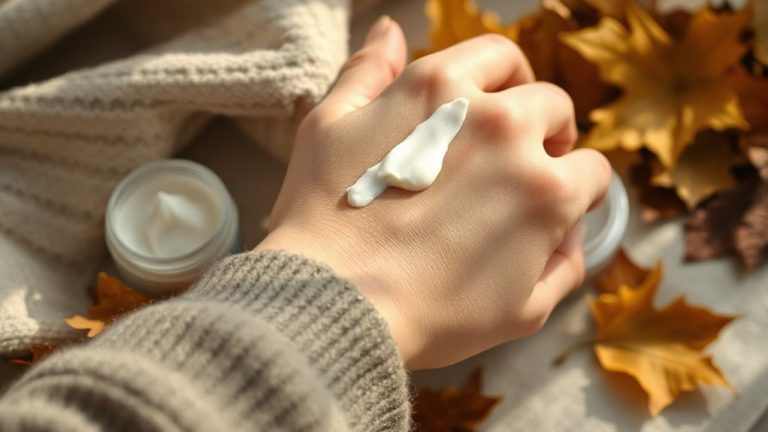
How do you guarantee your moisturizer actually repairs rather than just temporarily soothes your skin? Choose products with a ceramide boost-ideally containing ceramides 1, 3, and 6-formulated to match the skin’s natural lipid ratio. Look for at least 0.5% total ceramides in the ingredients list. Effective lipid repair requires fatty acids (like linoleic and oleic acid) and cholesterol in a 3:1 molar ratio, proven to restore barrier integrity. Apply immediately post-cleansing to damp skin to lock in hydration. Opt for occlusives such as petrolatum or dimethicone in concentrations above 5% to reduce transepidermal water loss by up to 98%. Avoid fragrances and alcohol, which compromise repair. Use twice daily for measurable improvement in skin density and hydration within two weeks. Consistent use yields a resilient, functional barrier.
Make Skin-Barrier Care Part of Your Daily Routine
Daily, your skin faces environmental stressors that compromise its protective shield. You must make skin-barrier care a non-negotiable part of your daily routine. Consistent cleansing, moisturizing, and targeted treatment maintain lipid balance and prevent transepidermal water loss. Product consistency is critical-use formulations with ceramides, fatty acids, and cholesterol in a 3:1:1 molar ratio to mirror natural barrier composition. Apply products to damp skin within 60 seconds of cleansing to lock in hydration. Incorporate gentle exfoliation 1–2 times weekly using low-concentration alpha hydroxy acids (5–10%) or enzymes to remove dead cells without disrupting barrier integrity. Over-exfoliation increases pH and weakens tight junctions. Use a pH-balanced cleanser (pH 4.5–5.5) to preserve the acid mantle. Protective occlusives like petrolatum reduce water loss by up to 98%. Stick to proven ingredients and repeat the process daily-barrier resilience depends on routine, not quick fixes.
On a final note
You protect your skin barrier every time you cleanse with a pH-balanced, sulfate-free formula. Hot water strips lipids; keep showers under 10 minutes and below 100°F (38°C). Apply moisturizers containing ceramides, cholesterol, and free fatty acids in a 3:1:1 ratio immediately after bathing. This reinforces the stratum corneum’s structure. Daily consistency guarantees long-term barrier resilience and prevents transepidermal nutrition.