Designing a Weight-Control Plan for Dogs With Joint Pain Limiting Activity
You can reduce joint stress and inflammation in your dog by achieving a 6–8% body weight loss. Feed measured meals twice daily using a digital scale, prioritizing therapeutic diets with 250–300 kcal/cup, omega-3s, and glucosamine. Limit treats to 10% of calories-use frozen green beans or carrot sticks. Incorporate swimming 2–3 times weekly for low-impact conditioning. Monitor weight every two weeks and maintain a BCS of 4–5; changes in mobility may signal the need for adjustments. More details follow on optimizing each component.
Notable Insights
- Reduce excess weight to decrease mechanical stress and inflammation in weight-bearing joints.
- Feed measured rations of a therapeutic, high-protein, low-calorie diet with omega-3 fatty acids and joint supplements.
- Limit treats to ≤10% of daily calories and replace high-calorie options with low-energy alternatives.
- Incorporate low-impact exercise like warm-water swimming and daily stretching to maintain mobility.
- Monitor weight every two weeks and assess mobility monthly to adjust the plan as needed.
Why Weight Loss Helps Dogs With Joint Pain
While excess weight might not seem like a direct cause of joint pain, it considerably worsens discomfort in dogs with conditions like osteoarthritis. Each extra pound increases the force on weight-bearing joints, accelerating cartilage degeneration. Weight loss directly reduces this mechanical stress. Reduced inflammation occurs as excess adipose tissue produces pro-inflammatory cytokines like leptin and TNF-α; shedding fat lowers circulating levels. Improved mobility follows within weeks of weight reduction, even without additional treatment. In clinical studies, dogs losing 6–8% of body weight showed a 20% increase in activity duration and a 15% improvement in gait symmetry. Joint range of motion improves due to decreased swelling and synovitis. You’ll notice easier stair climbing and faster rise times. The biomechanical load on hips and stifles declines exponentially, not linearly, with each pound lost. Effective weight management is a cornerstone of non-surgical osteoarthritis care, with measurable physiological and functional benefits.
Control Portions Without Making Your Dog Miserable
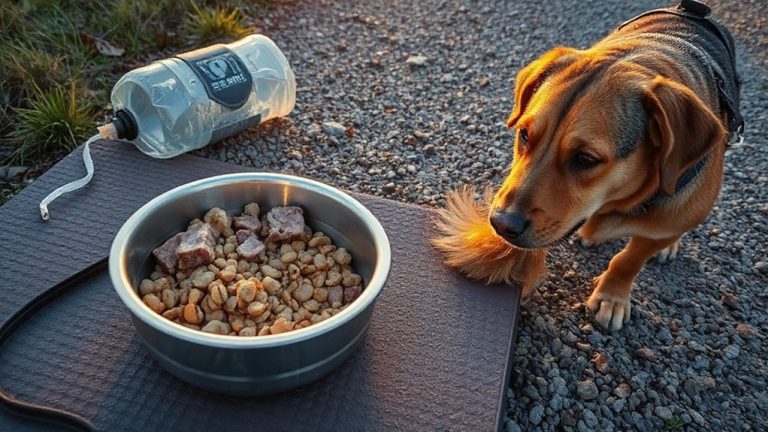
How do you cut calories without leaving your dog feeling deprived? Use precise portion control and strategic meal timing. Divide daily rations into two or three scheduled feedings to regulate metabolism and reduce begging. Measure food by weight-use a digital scale accurate to 1 gram for consistency. Replace high-calorie treats with low-energy treat alternatives like frozen green beans or carrot sticks (0.5 calories per piece). Restrict treats to ≤10% of daily caloric intake. Use puzzle feeders that extend eating time, increasing satiety without extra calories. For a 20-kg dog needing 700 kcal/day, feed 350 kcal per meal, adjusting based on body condition score. Monitor weight weekly. Adjust portions by ±5% if weight loss exceeds 1–2% per week. Consistent meal timing and smarter treat alternatives maintain compliance without compromising well-being.
Pick the Best Food for Joint and Weight Health
Nutrition is the cornerstone of managing both weight and joint health in dogs. You need joint friendly nutrition that supports mobility while controlling calorie intake. Look for foods rich in omega-3 fatty acids, specifically EPA and DHA, which reduce inflammation. These should appear in the ingredient list as fish oil or green-lipped mussel extract. Choose formulas with glucosamine and chondroitin to maintain cartilage integrity. Opt for high-protein, low-carbohydrate blends to preserve lean muscle mass during weight loss. Avoid calorie dense options unless your dog is underweight or highly inactive. Instead, select therapeutic diets with 250–300 kcal per cup, ensuring satiety without excess energy. Fiber content should be 5–8% (dry matter basis) to promote fullness. Always check the feeding guidelines and adjust portions based on your dog’s resting energy requirements. Work with your vet to choose a clinically tested brand for best results. Consider one of the best hip and joint dog foods recommended by veterinarians for comprehensive support.
Try Low-Impact Activities That Ease Joint Strain
A few minutes of controlled movement each day can markedly reduce joint stiffness and support healthy weight management in dogs with arthritis. Low-impact activities minimize force on joints while promoting circulation and synovial fluid production. Swimming therapy offers near-ideal exercise: buoyancy supports body weight, reducing joint load by up to 80% compared to land-based activity. Water resistance also builds muscle strength without straining connective tissues. Sessions should last 10–15 minutes, 2–3 times weekly, using warm water (85–90°F) to enhance muscle relaxation. Add daily stretching exercises to maintain range of motion. Gently extend each limb through its natural arc for 15–20 seconds per joint, focusing on hips, stifles, and shoulders. Perform stretches post-walk or after warm application to reduce muscle resistance. Consistent use of these techniques supports cartilage health and controlled weight bearing, essential for arthritic canines.
Monitor Weight and Mobility Changes With Your Vet
Regular assessment of your dog’s weight and mobility is a cornerstone of effective arthritis management. Regular checkups with your vet guarantee accurate progress tracking and timely adjustments to treatment. Monitoring both weight and joint function helps maintain therapeutic efficacy and prevents complications.
| Parameter | Target Measurement | Frequency |
|---|---|---|
| Body Weight | Stable, within target range | Every 2 weeks |
| Mobility Score | Improved or stabilized | Monthly evaluation |
| Body Condition | BCS 4–5 on 9-point scale | At each vet visit |
Use standardized mobility questionnaires like the CBGA (Canine Brief Pain Inventory) for objective progress tracking. Digital weigh scales accurate to ±0.1 kg provide precise weight data. Report lameness, reluctance to move, or behavior changes promptly. Consistent data collection enables evidence-based decisions, guaranteeing excellent long-term outcomes for dogs with activity-limited joint pain.
On a final note
You can manage your dog’s weight despite joint pain. Controlled portions reduce caloric intake, typically by 20–30% below maintenance levels. High-protein, low-fat diets preserve muscle mass while promoting fat loss. Glucosamine and omega-3 supplements support joint function. Use underwater treadmills or 5–10 minute leash walks to maintain mobility. Weigh your dog biweekly; aim for 1–2% body weight loss per week. Track progress with veterinary assessments every four weeks.