Training Your Cat to Recognize and Avoid Hot Radiators
You can train your cat to avoid hot radiators using immediate deterrents and positive reinforcement. Spray bitter citrus or pepper extracts every 48 hours and install heat-resistant polycarbonate shields with 6 inches of clearance. Use a clicker to mark avoidance behaviors, delivering treats within one second. Gradually reduce training distance from 6 feet. Heated beds at 100–104°F offer safer warmth. Surface temperatures above 125°F cause burns in 5 minutes-consistent training prevents injury. A structured approach yields measurable behavioral change. Further strategies build on this foundation.
Notable Insights
- Recognize early signs like redness or licking, as radiator surfaces can exceed 150°F and cause burns within minutes.
- Apply bitter citrus or pepper-based deterrent sprays every 48 hours to discourage licking and approaching hot radiators.
- Install heat-resistant barriers with at least 6 inches of clearance to block access while maintaining safe airflow.
- Use clicker training with immediate treats to reinforce safe distance, starting 6 feet away and gradually closing in.
- Provide warm alternatives like heated beds or sunlit perches to redirect your cat’s heat-seeking behavior safely.
Recognize the First Signs of Radiator Burns
Why might your cat suddenly flinch when settling near the heater? It could be sensing excessive radiator temperature. Surface readings above 120°F (49°C) can cause thermal injury within minutes. Cats often seek warmth, but prolonged contact with hot surfaces leads to burn symptoms like redness, blisters, or singed fur. First-degree burns affect only the top skin layer; second-degree burns damage deeper tissues, increasing infection risk. Early signs include licking the affected area or avoiding contact post-exposure. Radiator surfaces typically reach 150–170°F (65–77°C), well above the threshold for burn injury. Check for subtle changes in coat appearance or skin texture, especially on paws and belly. Inconsistent warmth perception in older cats increases vulnerability. Immediate assessment prevents worsening. Use an infrared thermometer to monitor radiator temperature routinely. Recognizing early burn symptoms guarantees timely intervention and reduces recovery time.
Keep Cats Away With Immediate Deterrents
Thermal dangers lurk where comfort seems guaranteed. Radiators reach surface temperatures of 150–200°F, sufficient to cause second-degree burns in seconds. Immediate deterrents are essential. Use spray deterrents containing bitter citrus or pepper extracts; these are non-toxic and trigger feline aversion. Apply every 48 hours or after cleaning for sustained effectiveness. Pair spray deterrents with physical barriers. Implement barrier placement using freestanding metal grilles or heat-resistant polycarbonate shields, maintaining a minimum 6-inch clearance between the radiator and barrier to maintain airflow and prevent heat buildup. Secure units with pressure-mounted brackets to avoid wall damage. These products must withstand temperatures up to 250°F and comply with ASTM F2613 safety standards. Consistent application reduces contact risk by up to 90%. Immediate deterrents create a hostile environment, discouraging approach without training yet.
Train Your Cat Using Positive Reinforcement
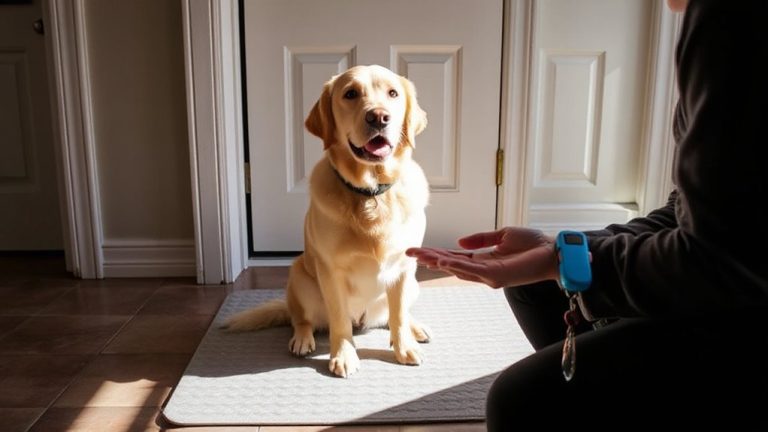
You’ve made the radiator area unwelcoming with sprays and barriers, but now it’s time to shape your cat’s behavior through consistent rewards. Use clicker training to mark desired behaviors instantly, ensuring precise communication. The click sound acts as a bridge, signaling exactly when your cat earns a reward. Pair each click with immediate treat rewards-small, soft treats work best for quick consumption. Conduct three 5-minute sessions daily to reinforce avoidance behavior without overwhelming your cat. Maintain a 1:1 click-to-treat ratio. Distance matters: start training at least 6 feet from the radiator, gradually reducing proximity as success increases. This systematic approach leverages operant conditioning. Clicker training success rates exceed 70% in feline behavior modification studies. Consistency and timing are critical-delayed treats reduce learning efficacy by up to 50%. Use these tools to build reliable, long-term radiator avoidance.
Provide Safe, Warm Spots They’ll Prefer
Many cats spend up to 16 hours a day resting, making access to warm, secure spots essential for their comfort and well-being. You can redirect your cat from hot radiators by creating appealing comfort zones with safe, warm surfaces. Provide cozy alternatives that mimic body heat and offer insulation. These zones should be elevated, enclosed, or near natural sunlight to increase appeal. Strategic placement near living areas guarantees frequent use. Below are effective options:
| Product Type | Temperature Range (°F) | Insulation Material |
|---|---|---|
| Heated Cat Bed | 100–104 | Carbon fiber heating pad |
| Thermal Perch | Ambient +10–15 | Closed-cell foam core |
| Sunlit Window Pad | Varies with sunlight | Reflective mylar backing |
| Microwaveable Pad | 105 max (20 min) | Wheat and lavender filling |
Choose based on energy efficiency, safety certifications, and ease of cleaning. A top recommendation for maintaining consistent warmth without risk of overheating is the best heated cat beds for cozy pets.
Why Radiators Attract Cats (And How to Stop It)
Cats are naturally drawn to radiators because they emit consistent, localized heat in cooler indoor environments. Your cat’s warmth preference drives it to seek out these hot spots, especially in winter months when ambient temperatures drop below their thermoneutral zone of 86–100.5°F. Radiators typically operate at surface temperatures of 150–170°F-well above safe contact limits for feline skin, which can burn at just 125°F after five minutes. Their curiosity instinct further compels investigation, particularly with older cast-iron units that retain heat longer. To redirect this behavior, install thermal barriers such as mesh guards with 1.5-inch spacing. Position heated pet beds nearby, maintaining a surface temperature of 102°F-a safer alternative that satisfies warmth preference. Use double-sided tape or aluminum foil on radiator surfaces; these materials disrupt tactile comfort. Consistency and immediate deterrents reduce attraction.
When to Call the Vet for Heat-Related Injuries
How can you tell when your cat’s encounter with a hot radiator crosses the line from minor discomfort to medical emergency? Look for emergency symptoms like blistering, red or peeling skin, and persistent limping after contact. If your cat shows signs of pain, excessive licking at the site, or fever, immediate veterinary assessment is critical. Superficial burns may only affect the epidermis, but deeper injuries can penetrate into dermal layers, risking infection and requiring professional treatment. Second-degree burns in cats often need antibiotics and pain management. Delaying care can lead to complications like sepsis. You can’t accurately gauge tissue damage at home. Only a veterinarian can determine burn depth using clinical inspection and recommend appropriate intervention. Don’t wait if you observe swelling, odor, or behavioral changes-these signal serious injury. Prompt veterinary assessment maximizes recovery chances and prevents long-term harm.
On a final note
You can prevent radiator burns by combining deterrents with training. Immediate solutions like adhesive tape or aluminum foil disrupt access. Positive reinforcement teaches avoidance through reward-based learning. Provide heated beds operating at 100–105°F, mimicking a cat’s preferred surface temperature. Monitor radiators exceeding 140°F, as contact longer than five seconds causes injury. Always consult a vet if redness or blistering appears.