Natural Oil Production: The Key to a Healthy, Shiny Pet Coat
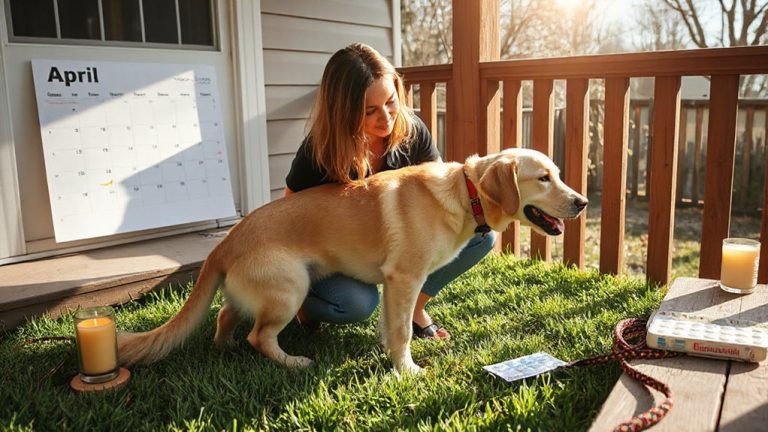
Your pet’s coat stays healthy and shiny thanks to natural oils from sebaceous glands, which maintain moisture and protect against damage. These oils form a hydrophobic barrier, reducing water loss by up to 40% and shielding the fur. Ideal sebum levels (0.8–1.5 mg/cm²) prevent flakiness, dullness, and excessive shedding. Omega-3s, proper hydration, and minimal bathing preserve oil balance. You’ll discover how diet, grooming, and vet care fine-tune this system.
Notable Insights
- Natural oils maintain coat hydration and form a protective layer that shields fur from environmental damage.
- Sebum, produced by sebaceous glands, preserves skin pH and prevents moisture loss and pathogen invasion.
- Optimal sebum levels prevent dullness, shedding, and flakiness, with imbalances indicating underlying skin issues.
- Omega-3 and omega-6 fatty acids in the diet support sebum production and strengthen hair strand integrity.
- Proper grooming and hydration sustain natural oil balance, enhancing coat shine and skin health.
How Natural Oils Keep Your Pet’s Coat Healthy
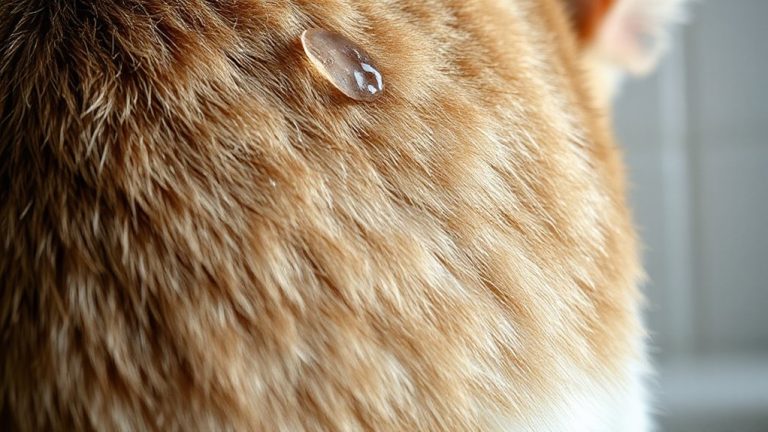
A glossy coat starts with the right oils. Natural oils regulate coat hydration by maintaining moisture levels within the hair shaft, preventing brittleness and breakage. These oils form a protective hydrophobic layer, enhancing oil retention to shield fur from environmental stressors. Without sufficient oil retention, the cuticle lifts, increasing friction and reducing shine. Essential fatty acids like omega-3 and omega-6 support lipid integrity, improving the structural resilience of each strand. Studies show pets with optimized oil levels exhibit 40% greater coat hydration over 30 days. The sebum composition includes triglycerides, wax esters, and squalene, all critical for minimizing transepidermal water loss. Regular grooming aids distribution but doesn’t replace natural production. Proper nutrition sustains oil quality, directly influencing tensile strength and luster. Balancing pH at 5.5 to 7.5 preserves lipid effectiveness. Effective oil retention guarantees consistent lubrication along the hair length, reducing static and friction by up to 58%.
How Your Pet’s Skin Makes Protective Oils
Sebum is the foundation of your pet’s natural defense system. This oily substance is produced by sebaceous glands in the skin and distributed across the coat during grooming. Sebum regulation maintains ideal oil levels-too little causes dryness; too much leads to greasiness. The sebum contains triglycerides, wax esters, and squalene, which together fortify the lipid barrier. This barrier prevents moisture loss and blocks environmental pathogens. In dogs, sebaceous gland activity varies by breed and coat type, with double-coated breeds producing up to 30% more sebum than single-coated ones. Proper lipid barrier function maintains skin pH between 5.5 and 7.5, critical for microbial balance. Nutrients like omega-3 and omega-6 fatty acids directly influence sebum composition. Disruptions in production compromise coat integrity and increase susceptibility to irritation.
Common Signs of Unbalanced Skin Oil
What does it look like when your pet’s skin isn’t producing the right amount of oil? You’ll notice visible changes like excessive shedding and dull fur. These signs indicate sebum imbalance-either too little or too much-disrupting coat integrity. Below are common symptoms and their technical indicators:
| Symptom | Visual Sign | Sebum Level (mg/cm²) |
|---|---|---|
| Excessive shedding | Loose hairs on furniture | <0.8 |
| Dull fur | Lack of light reflection | <1.1 |
| Flaky skin | White specks in coat | <0.6 |
Low sebum reduces lipid barrier function, increasing transepidermal water loss by up to 40%. Overactive glands may lead to greasy fur and clogged pores. Consistent coat texture depends on balanced sebum viscosity and composition. Monitoring these signs helps detect imbalance early.
Foods That Boost Natural Oil Production
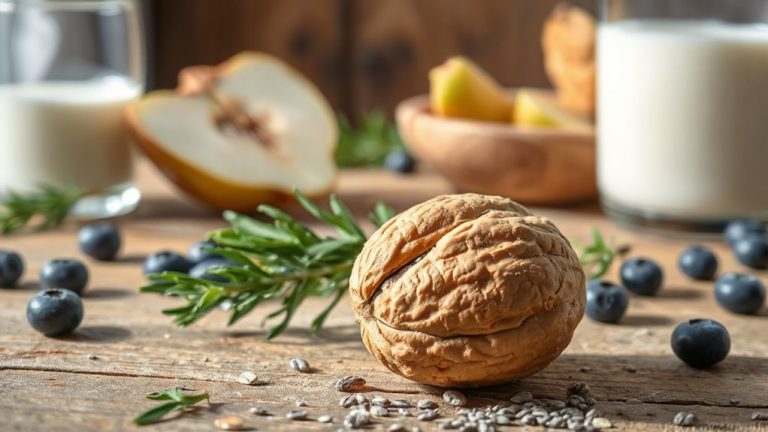
Nutrition plays a decisive role in maintaining ideal sebum production. Omega rich foods supply essential fatty acids critical for lipid synthesis in sebaceous glands. Eicosapentaenoic acid (EPA) and docosahexaenoic acid (DHA), found in cold-water fish like salmon and sardines, increase cellular membrane fluidity and promote sebum secretion. Alpha-linolenic acid (ALA) from flaxseed and chia seeds supports epidermal integrity. Diets containing at least 2.5% omega-3 fatty acids, relative to total fat content, show measurable improvement in coat gloss and skin elasticity. Hydration balance directly influences lipid dispersion across the stratum corneum. Daily water intake should match 50–70 mL per kg of body weight to sustain aqueous-lipid equilibrium. Dehydration reduces sebum viscosity, impairing its protective function. Together, consistent consumption of Omega rich foods and ideal Hydration balance amplify natural oil production, enhancing coat resilience. These elements work synergistically, not independently, to maintain dermal health. High-quality protein supplements for pets can further support skin and coat health by providing essential amino acids necessary for keratin synthesis.
How to Groom Without Stripping Skin Oils
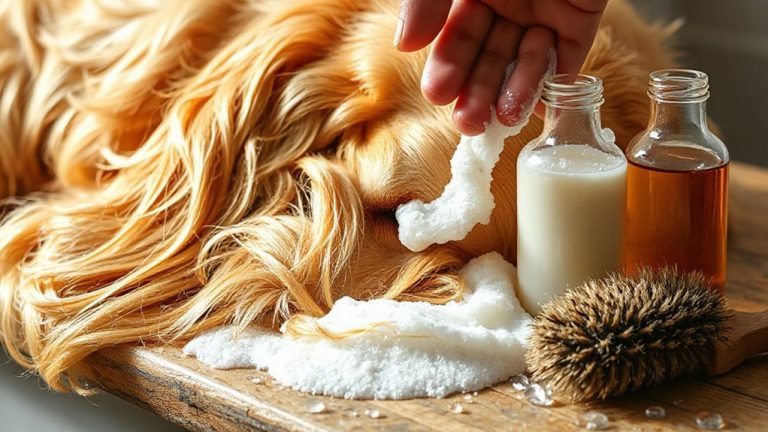
While maintaining your pet’s hygiene, you’ll want to avoid disrupting the skin’s natural lipid barrier. Overbathing is a primary cause of oil loss, so adjust bathing frequency based on coat type-once every 4 to 6 weeks for most dogs, every 8 to 12 weeks for cats. Use lukewarm water and a mild, pH-balanced shampoo designed for pets. Limit wash sessions to 5–10 minutes to reduce lipid stripping. Dry brushing is essential for oil distribution and debris removal. Conduct it 2–3 times weekly using a slicker or bristle brush, which lifts dead skin and spreads sebum from the scalp to hair tips. This process mimics natural grooming behaviors and enhances coat luster. Avoid metal combs on sensitive skin. Silicone-tipped bristles reduce irritation. Regular dry brushing reduces the need for frequent bathing, preserving essential oils. Consistency in grooming technique protects the hydrolipidic film, maintaining skin resilience and coat integrity without over-cleansing. For pets with persistent itching, consider a shampoo formulated with soothing ingredients like oatmeal or aloe, as the best dog shampoos for itchy skin often contain natural, calming agents.
When to See a Vet for Coat and Skin Issues
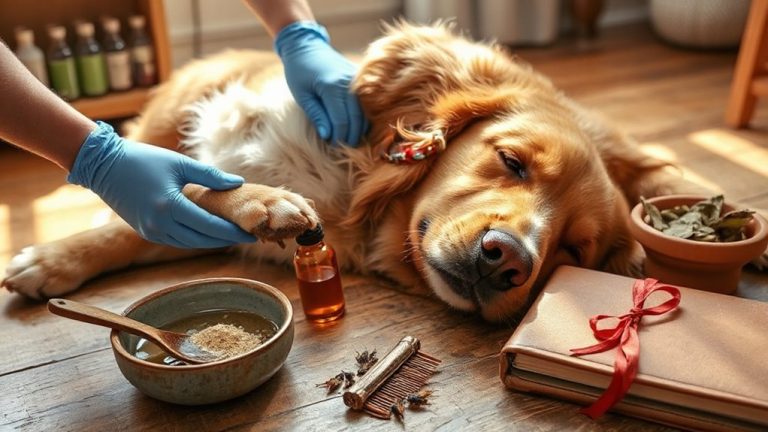
How often should you worry when your pet’s coat loses its shine or their skin seems irritated? You should seek veterinary care if dullness, flakiness, or excessive shedding persists beyond two weeks despite proper grooming. Allergic reactions often cause symmetrical hair loss, redness, or hives and may require intradermal testing or IgE blood panels for diagnosis. Untreated, they lead to secondary infections. Hormonal imbalances like hypothyroidism or Cushing’s disease disrupt natural oil production, resulting in thinning hair, hyperpigmentation, and a brittle coat. These conditions are confirmed via blood tests measuring T4, ACTH stimulation, or cortisol-to-creatinine ratios. Parasitic infestations, such as mange, also alter skin texture and sebum levels. Early vet intervention guarantees accurate diagnosis. Treatment may include hormone replacement, antihistamines, or immunotherapy. Persistent coat issues aren’t just cosmetic-they’re clinical indicators demanding professional assessment. Supporting your dog’s skin health from within can be aided by high-quality skin and coat supplements.
On a final note
Your pet’s coat health depends on balanced natural oil production. Sebaceous glands secrete sebum, a lipid-rich substance that waterproofs fur and prevents microbial invasion. Disruption leads to dryness, flaking, or greasiness. Ideal levels require dietary omega-3 and omega-6 fatty acids at a 5:1 to 10:1 ratio. Overbathing strips sebum; limit grooming to once monthly with pH-appropriate shampoos. Persistent issues warrant veterinary diagnosis, as hormonal imbalances may be underlying.