What Ear Examinations Reveal About Your Dog’s Overall Health Status
Your dog’s ears offer critical insights into their overall health. Asymmetry or swelling may signal neurological issues, while wax color changes-like dark brown or green-can indicate infection or contamination. Yeast or bacterial overgrowth often reflects underlying allergies or immune dysfunction. Chronic otitis may point to hormonal imbalances like hypothyroidism. Cytology and ear exams help pinpoint causes, from mites to nutrient deficiencies. Persistent changes warrant further investigation.
Notable Insights
- Ear asymmetry or swelling can indicate neurological or structural issues affecting overall health.
- Abnormal ear wax color or odor may signal infection, foreign bodies, or systemic disease.
- Yeast or bacterial overgrowth in ears often reflects underlying immune or metabolic dysfunction.
- Bilateral ear inflammation without infection may be an early sign of allergies or autoimmune disease.
- Chronic ear changes can reveal hormonal imbalances, nutritional deficiencies, or systemic illnesses like hypothyroidism.
What Your Dog’s Ears Reveal About Health
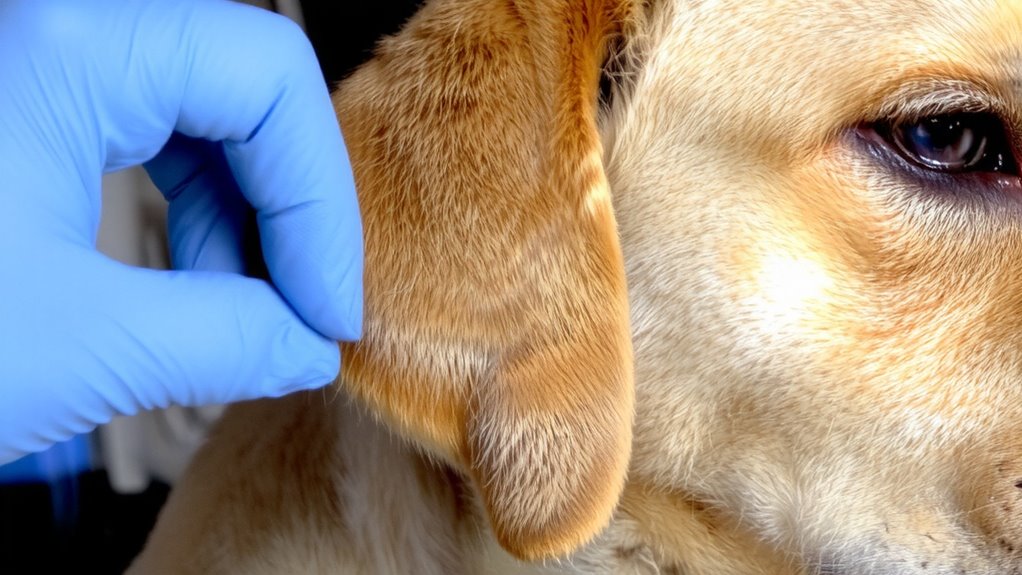
Your dog’s ears aren’t just expressive-they’re a window into overall health. Ear symmetry is a key indicator; any visible imbalance in position, tilt, or swelling may signal neurological or structural concerns. You should assess both ears daily, comparing shape and orientation. Wax color provides further diagnostic insight. Normal wax ranges from pale yellow to light amber and is nearly odorless. Dark brown or black wax often indicates debris accumulation or potential foreign bodies. Green or gray hues may suggest contamination or early microbial overgrowth. Excessive cerumen production alters wax consistency, increasing risk of occlusion. Use a lint-free swab for gentle surface checks-never insert into the ear canal. Consistent monitoring of wax color and ear symmetry allows early detection of deviations, enabling timely veterinary consultation and preserving auditory function.
Common Ear Infections and Underlying Causes
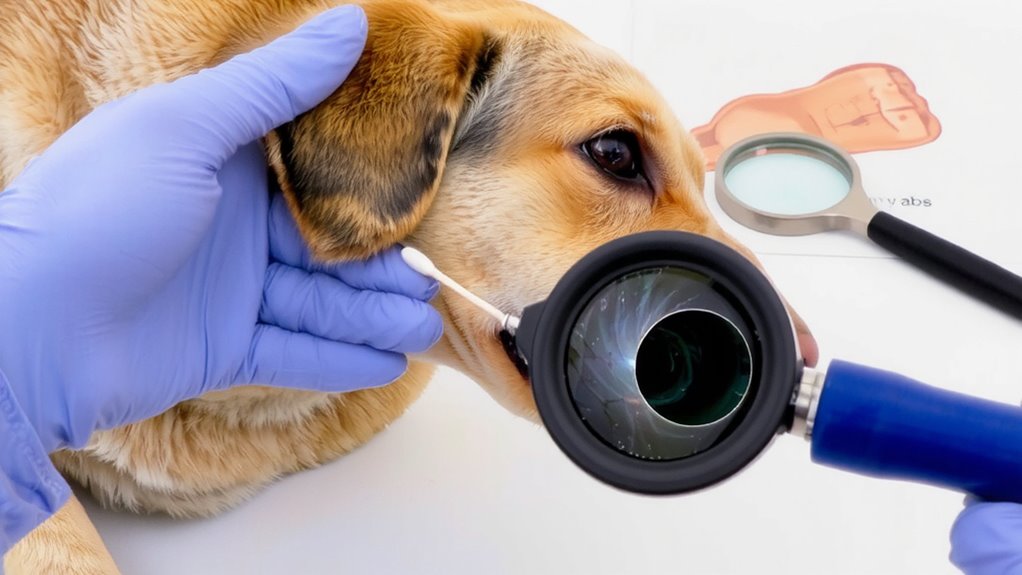
Ear infections in dogs are among the most frequently diagnosed dermatological conditions, with otitis externa accounting for the majority of cases. You’ll often see redness, swelling, and discharge in the external ear canal. Yeast overgrowth, typically caused by Malassezia pachydermatis, leads to a yeasty odor and brownish discharge. Bacterial imbalance, commonly involving Staphylococcus or Pseudomonas species, results in purulent exudate and pain. Moisture, wax buildup, or foreign bodies disrupt the ear’s normal pH, creating a favorable environment for pathogens. Allergies, hypothyroidism, or anatomical factors like narrow canals increase susceptibility. Chronic cases may progress to otitis media. Cytology confirms the presence of yeast or bacteria. Treatment requires thorough ear cleaning and targeted medication-antifungals for yeast overgrowth, antibiotics for bacterial imbalance. Regular monitoring prevents recurrence.
How Immune Issues Show Up in Dog Ears
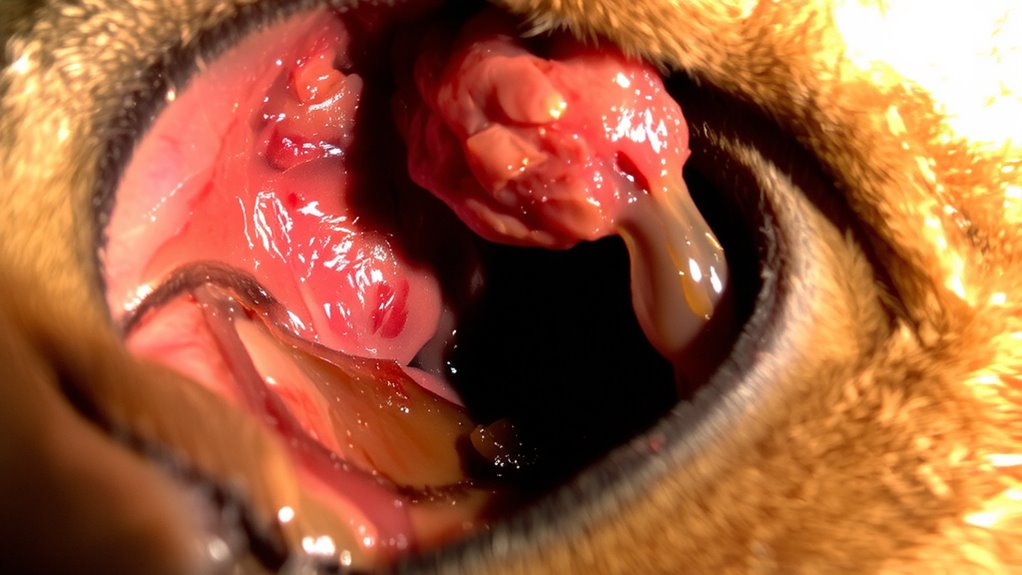
While the ears are often seen as simple passageways, they can actually serve as early warning signs of systemic immune dysfunction. You may notice redness, scaling, or ulceration in the ear canals during autoimmune flares, when the body mistakenly attacks its own tissues. These episodes often coincide with bilateral involvement and minimal odor, distinguishing them from bacterial infections. Immune suppression, whether from medication or disease, increases susceptibility to opportunistic pathogens like Malassezia or resistant bacteria. Cytology from ear swabs typically reveals atypical organisms or unusually high counts. Autoimmune conditions such as pemphigus or lupus can manifest otic lesions before systemic symptoms appear. Monitoring ear health helps detect immune imbalances early. Persistent or atypical ear inflammation should prompt full immune screening. Changes in ear tissue integrity or delayed healing signal deeper dysfunction. Regular otoscopic exams provide critical diagnostic insight when immune suppression is suspected. Using a high-quality dog ear cleaner can support ear health and reduce the risk of secondary infections in immunocompromised dogs.
Allergies That First Appear in the Ears
When allergies target your dog’s body, they often declare themselves first in the ears, making otic symptoms an early clue to underlying hypersensitivity. You’ll notice frequent head shaking, redness, or waxy discharge. These signs commonly stem from food sensitivities or environmental triggers like pollen, dust mites, or mold. Allergic inflammation disrupts the ear canal’s microenvironment, increasing pH and promoting bacterial or yeast overgrowth. Chronic cases show hyperplastic tissue and ceruminous gland hyperactivity. Unlike acute infections, allergy-related otic changes are bilateral and recur despite treatment. Food-related reactions often correlate with gastrointestinal signs and respond to elimination diets. Environmental allergens are identified through intradermal or serologic testing. Managing the underlying cause requires allergen-specific immunotherapy or dietary modification. Regular ear cytology helps monitor response. Early recognition of these patterns supports timely intervention and reduces progression to chronic otitis. Addressing root causes improves long-term outcomes. Consistent use of a high-quality ear cleaner can help maintain ear health and prevent secondary infections in allergy-prone dogs.
Mites and Parasites With Hidden Health Warnings
You might think recurring ear issues stem only from allergies, but microscopic invaders like mites and parasites often mimic or worsen those symptoms. Ear mites, particularly *Otodectes cynotis*, are a common cause of inflammation, reproducing rapidly in warm, moist environments. These parasites feed on ear wax and skin oils, triggering intense itching and dark, coffee-ground-like discharge. Left untreated, ear mites can lead to secondary infections and hematoma formation. Parasite infestations aren’t limited to the ears-systemic invaders like ticks or mange mites may first show signs through ear irritation. Otoscopic exams reveal mite movement or eggs in 95% of infested dogs. Treatments include topical miticides like selamectin, applied every 30 days, or ivermectin injections for resistant cases. Regular ear cleaning with veterinarian-approved solutions reduces reinfection risk. Early detection prevents complications and limits transmission to other pets.
Ear Signs of Hormonal Imbalances in Dogs
Hormonal imbalances in dogs often manifest through subtle but telling changes in ear health. You may notice symmetrical hair loss, hyperpigmentation, or dry, flaky skin inside the ears-early red flags of thyroid dysfunction. Hypothyroidism slows metabolism, reducing sebum production and compromising the ear’s natural barrier, increasing risk of secondary inflammation. About 70% of hypothyroid dogs exhibit dermatological signs, often starting in the ears. Adrenal insufficiency, though rarer, leads to poor stress response and electrolyte imbalances, sometimes appearing as chronic ear thinning or fragility. These changes lack the odor of infection but persist despite standard treatments. The ear’s epithelial turnover rate slows, mimicking aging changes in younger dogs. Biopsy and blood panels confirming T4 or ACTH levels are essential. You’ll need endocrine testing to distinguish these from primary skin disorders. Ear symptoms are clues-your gateway to diagnosing systemic hormonal disease.
When Ear Changes Signal Systemic Disease
Could it be that your dog’s ear changes point to something far more serious than a simple infection? Yes-persistent redness, scaling, or ulceration may indicate systemic issues. Autoimmune disorders like pemphigus foliaceus often present first in the ears, causing crusting and erosion due to immune-mediated skin cell destruction. These lesions typically appear bilaterally and resist standard antibiotic therapy. Nutritional deficiencies, particularly in zinc, fatty acids, or B vitamins, can lead to poor skin integrity, resulting in chronic otitis and dry, flaky ear margins. Zinc-responsive dermatosis, for example, manifests with symmetric alopecia and scaling around the ears and muzzle. Blood tests and skin biopsies are essential for accurate diagnosis. Early recognition of these signs allows for targeted treatment-immunosuppressants for autoimmune cases or dietary correction for deficiencies. Ear changes are not isolated; they’re windows to your dog’s internal health.
On a final note
Your dog’s ears offer critical insights into systemic health. Redness, discharge, or odor often signal infections linked to underlying conditions. Chronic otitis may indicate allergies or immune dysfunction. Ear margin hair loss can reflect hormonal imbalances like hypothyroidism. Parasites such as Otodectes cynotis suggest broader infestation risks. Persistent ear issues warrant full diagnostics, including blood panels and cytology. Early examination helps detect diseases before they progress, improving treatment outcomes and reducing complications. Monitor ears regularly-they’re a window to internal health.