Green Tripe for Dogs: Feeding Amounts, Calories & Benefits
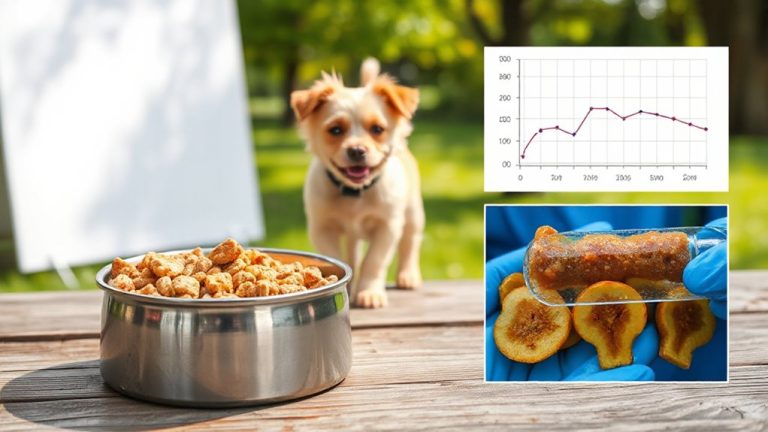
You can use green tripe as a low-calorie, high-nutrient dog food because it delivers 14–16% highly digestible protein and only 70–85 calories per 3-ounce serving. It contains 8–10% fat from beneficial omega-3 and omega-6 fatty acids, plus natural enzymes and probiotics that aid digestion. With 70–75% moisture, it supports hydration while promoting satiety. Feed 2–16 oz daily based on size, gradually shifting over 5–7 days to avoid digestive upset. You’ll soon discover how preparation method impacts nutrient retention and convenience.
Notable Insights
- Green tripe provides 70–85 calories per 3-ounce serving, making it a low-calorie yet nutrient-dense option for dogs.
- With 14–16% crude protein and high satiety, it supports muscle maintenance while aiding weight management.
- Rich in omega-3 and omega-6 fatty acids, it promotes skin, coat, and joint health without excess fat intake.
- Feed gradually over 5–7 days, mixing increasing amounts to avoid digestive upset.
- Store raw tripe below 40°F and use within 48 hours, or choose frozen or freeze-dried forms for longer shelf life.
What Makes Green Tripe a Superfood for Dogs?
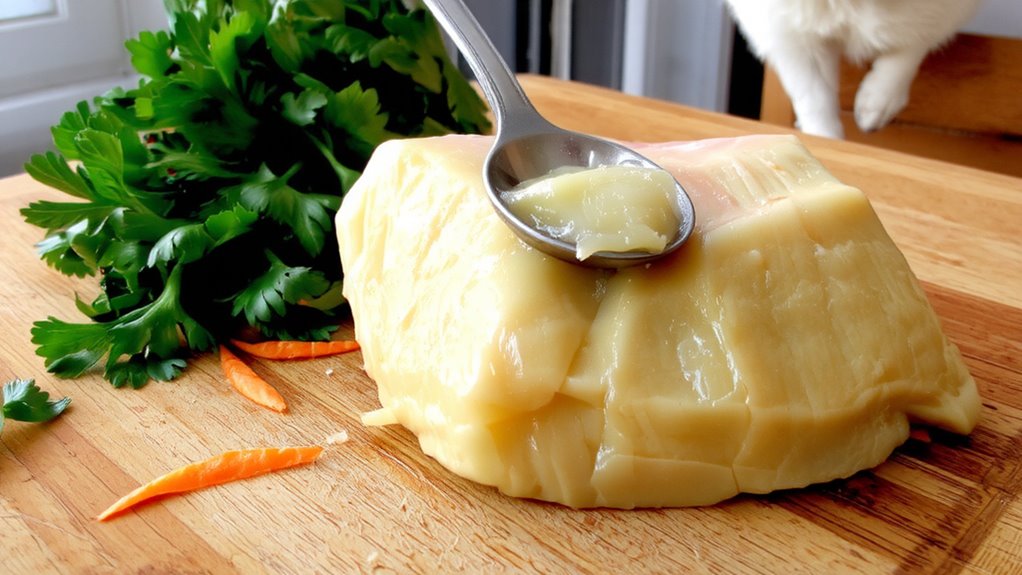
Although it might seem unappetizing to humans, green tripe is a powerhouse of nutrition for dogs. Its high nutrient density provides essential amino acids, omega-3 and omega-6 fatty acids, and crucial minerals like zinc and selenium. Green tripe contains naturally occurring enzymes and beneficial bacteria critical to canine health. It offers strong digestive support due to its raw fiber content and mucin-lined structure, mimicking the stomach lining of prey animals. The pH of green tripe ranges from 5.0 to 6.2, promoting a favorable gut environment. It delivers approximately 14–16% crude protein and 8–10% fat, making it energy-rich yet balanced. With 70–75% moisture content, it aids hydration. Unlike processed feeds, green tripe retains bioactive compounds lost during cooking. You’re giving your dog food as evolution intended-whole, unprocessed, and biologically appropriate. This combination of nutrient density and digestive support defines its superfood status.
How Enzymes and Probiotics Aid Your Dog’s Digestion
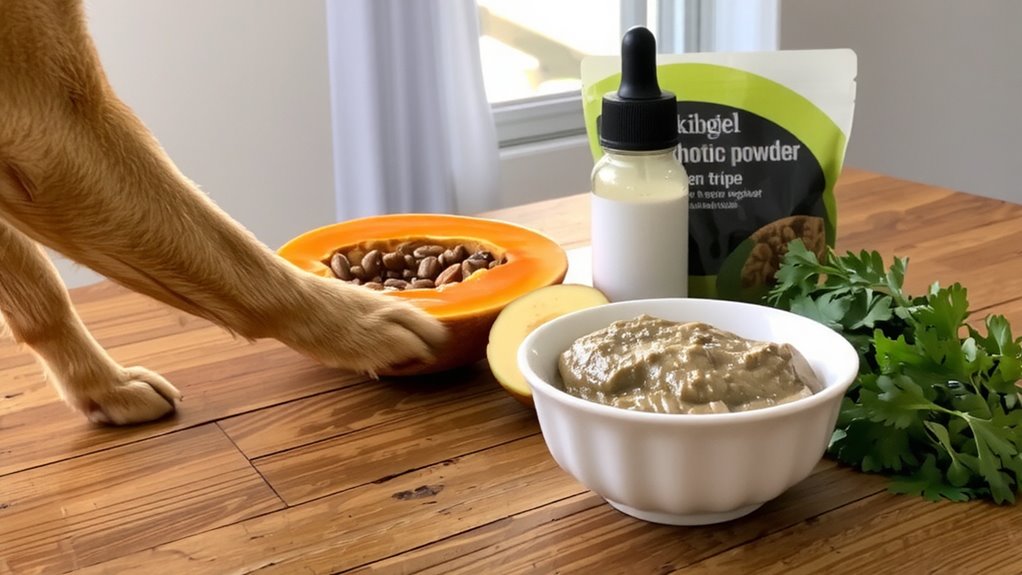
Because green tripe is raw and unprocessed, it retains natural enzymes like protease, lipase, and amylase that help break down proteins, fats, and carbohydrates in your dog’s digestive tract. These enzymes support efficient digestion and reduce the metabolic load on your dog’s pancreas. Green tripe also contains live probiotics-beneficial bacteria such as Lactobacillus and Bifidobacterium-that populate the gut and enhance gut health. A balanced gut microbiome aids in preventing harmful bacterial overgrowth and stabilizes intestinal pH. This microbial balance directly improves nutrient absorption by increasing the bioavailability of vitamins and minerals. Probiotics also help maintain the integrity of the intestinal lining, reducing inflammation and leaky gut risks. Together, enzymes and probiotics in green tripe create a synergistic effect, promoting ideal digestive function. Regular consumption supports long-term digestive efficiency and overall wellness without added fillers or synthetic additives.
Low-Calorie Nutrition: Perfect for Active or Overweight Dogs
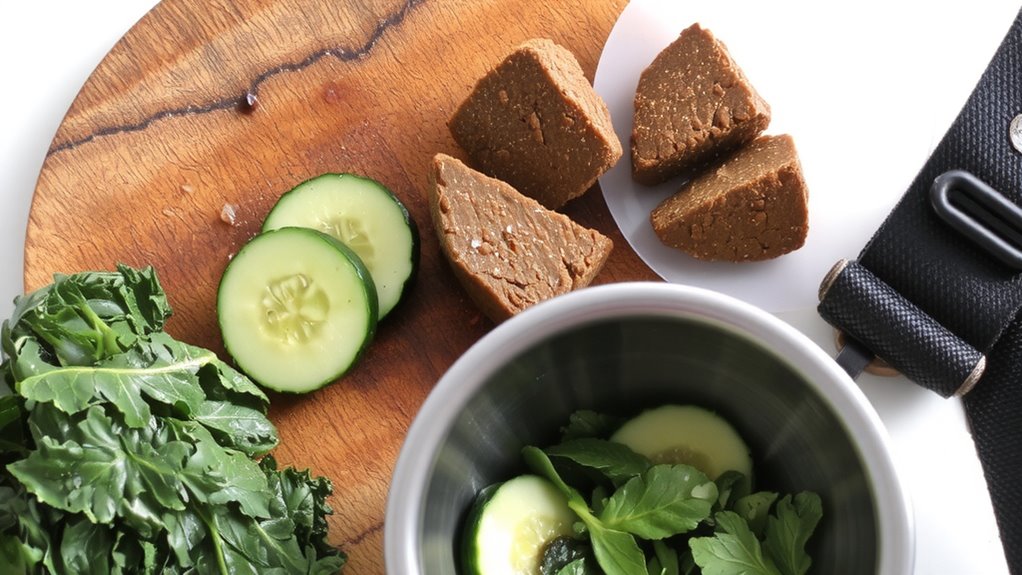
A 3-ounce serving of green tripe contains just 70–85 calories, making it an ideal protein source for dogs needing to manage their weight without sacrificing nutrition. Its low calorie density means your dog gets more volume and satiety per calorie, helping control hunger. Despite being low in calories, green tripe delivers a rich nutrient profile, including 15–18% high-quality protein and essential amino acids like lysine and methionine. It provides 2–3 grams of fat per serving, primarily from omega-3 and omega-6 fatty acids, supporting skin and joint health. The naturally occurring enzymes and vitamins B12 and E further enhance metabolic efficiency. Unlike processed dog foods, green tripe retains its nutritional integrity with minimal processing. You can use it daily as a primary protein or a nutritious topper. Its balanced energy-to-nutrient ratio supports active dogs and aids weight loss in overweight dogs.
Raw, Frozen, or Freeze-Dried: Choosing the Best Type
Green tripe’s nutritional benefits remain consistent across preparation methods, but how it’s processed affects convenience, shelf life, and nutrient retention. Raw green tripe offers the most natural enzyme and probiotic profile, requiring strict refrigeration at or below 40°F and consumption within 48 hours. Your best bet for maximizing bioavailability, it demands careful handling to prevent bacterial contamination. Frozen green tripe extends shelf life to six months at 0°F, preserving 90–95% of original nutrients when flash-frozen. Most practical for home use, it requires thawing as part of your preparation techniques. Freeze-dried tripe lasts up to two years at room temperature, using vacuum-sealed packaging and sublimation to remove moisture. While convenient, rehydration is necessary before feeding. Storage methods directly impact safety and freshness-each option supports different lifestyles. Choose based on your access to freezer space, feeding schedule, and preference for preparation techniques.
How to Mix Green Tripe Into Any Dog Food
When introducing green tripe into your dog’s diet, start by blending small amounts with their current food to support a smooth shift. Use gradual Mixing methods: begin with 25% tripe mixed into 75% regular food for two days. Progress to 50% tripe by day four, then 75% by day six. Complete shift occurs by day eight. This stepwise integration minimizes digestive upset. For raw or frozen tripe, thaw completely before mixing. Freeze-dried tripe requires rehydration-add one part warm water to two parts tripe and soak for 10 minutes. Maintain consistent portion timing; feed tripe during regular meals to regulate digestion. Avoid feeding tripe at random intervals, as inconsistent portion timing disrupts nutrient absorption. Always stir tripe thoroughly into kibble or wet food to guarantee even distribution. Monitor stool quality throughout shift. Proper Mixing methods and daily portion timing optimize palatability and gastrointestinal adaptation.
How Much to Feed by Dog Size
Most dogs thrive when fed green tripe in amounts tailored to their weight, metabolic needs, and activity level. For small dogs (under 20 lbs), feed 2–4 oz daily, split into one or two meals. Medium dogs (20–50 lbs) require 4–8 oz per day. Large dogs (50–90 lbs) do best on 8–12 oz, while giants (over 90 lbs) may need 12–16 oz. Maintain portion consistency to support digestive stability and nutrient absorption. Adjust total volume based on your dog’s condition and energy output. Feeding frequency should match their current diet-typically once or twice daily. Sudden increases can disrupt balance, so introduce gradually over 5–7 days. Weigh portions accurately using a kitchen scale. Green tripe contains approximately 18–22 kcal per ounce, making it easy to track caloric intake. Consistency in volume and timing optimizes metabolic response and helps sustain lean body mass.
Digestive Reactions and Allergy Signs to Monitor
How does your dog respond when new proteins enter their diet? Monitor closely for signs of digestive upset, such as loose stools, vomiting, or excessive gas, especially within the first 48 hours. These symptoms may indicate your dog’s gastrointestinal system is adjusting to green tripe’s high enzyme and probiotic content. Start with small portions-about 1–2 tablespoons for every 20 pounds of body weight-to minimize risk. Allergic reactions are rare but possible; watch for itching, hives, or facial swelling. Unlike common allergens like beef or chicken, green tripe is hypoallergenic due to its novel protein structure. If adverse symptoms persist beyond 72 hours, discontinue use. Gradual introduction supports microbiome adaptation. Consistent stool and normal energy levels confirm tolerance. Always source raw, unprocessed tripe to preserve beneficial nutrients and avoid additives that could trigger reactions.
On a final note
Green tripe supports canine health with minimal caloric intake. It contains 12–15% crude protein and 5–8% fat, making it ideal for weight management. High in digestive enzymes like lipase and protease, it improves nutrient absorption. Natural probiotics, including Lactobacillus, maintain gut flora balance. Feed 1–3% of body weight daily, depending on activity level. Monitor stools and appetite closely during introduction. Use raw, frozen, or freeze-dried forms at 90°F thawed temperature before serving.