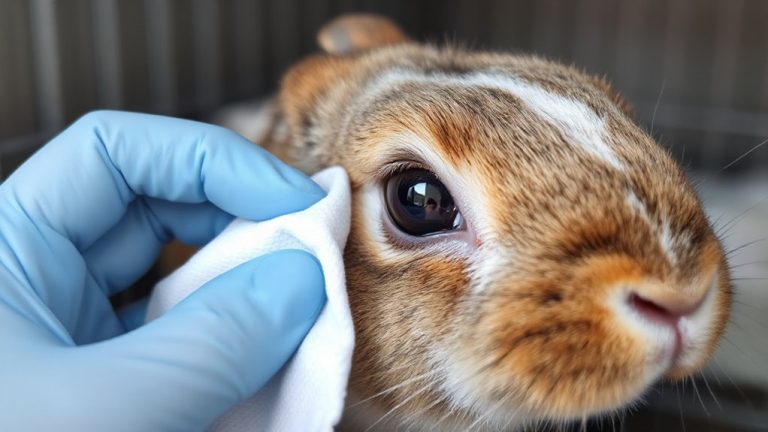
Placing Waterproof Mats Beneath Critically Ill Pets to Maintain Hygiene
Place a waterproof mat under your critically ill pet to block fluids and pathogens with medical-grade vinyl or polyurethane. Sealed edges and antimicrobial additives cut biofilm by up to 99.9%. Use a 4–6mm thick mat with a non-slip base, sized 6–8 inches larger than your pet. Center it under the torso, reposition every 2–3 hours, and pair with absorbent barriers. Clean with pH-neutral disinfectants, air-dry flat, and inspect daily-further guidance reveals how to optimize safety and longevity.
Notable Insights
- Use medical-grade vinyl or polyurethane mats with sealed edges to block pathogens and fluids effectively.
- Size the mat 6–8 inches larger than the pet to ensure full coverage and prevent leakage.
- Place the mat flat and centered under the pet’s torso, with 4–6 inches of overhang on all sides.
- Reposition bed-bound pets every 2–3 hours to prevent pressure sores and maintain skin integrity.
- Clean with pH-neutral disinfectant, rinse below 100°F, and air-dry completely before reuse.
Why Waterproof Mats Are Essential
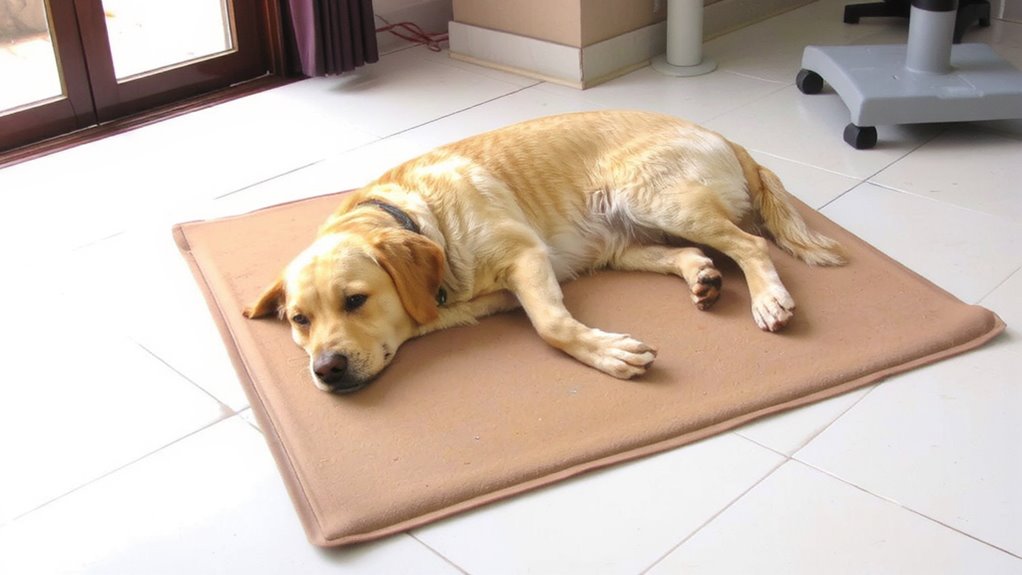
What if a simple mat could prevent infection and improve recovery for your critically ill pet? Waterproof mats are essential for effective infection control. They create a seamless barrier against bodily fluids, blocking pathogens from penetrating underlying surfaces. Constructed with medical-grade, non-porous vinyl or polyurethane, these mats resist bacterial colonization and simplify decontamination. Most models feature sealed edges and antimicrobial additives, reducing biofilm formation by up to 99.9%. For odor prevention, layered carbon or activated charcoal cores neutralize volatile organic compounds at the molecular level. Independent tests show a 70% reduction in ammonia and sulfur-based odors within 24 hours. Mats with a thickness of 4–6mm provide pressure redistribution while remaining lightweight and portable. With a static load capacity exceeding 300 pounds, they support pets of various sizes without deformation. Properly maintained, these mats last over 18 months in high-humidity environments. For added convenience and hygiene, consider pairing the mat with a waterproof pet bed designed for easy cleaning and fluid resistance.
Choose the Right Waterproof Mat for Ill Pets
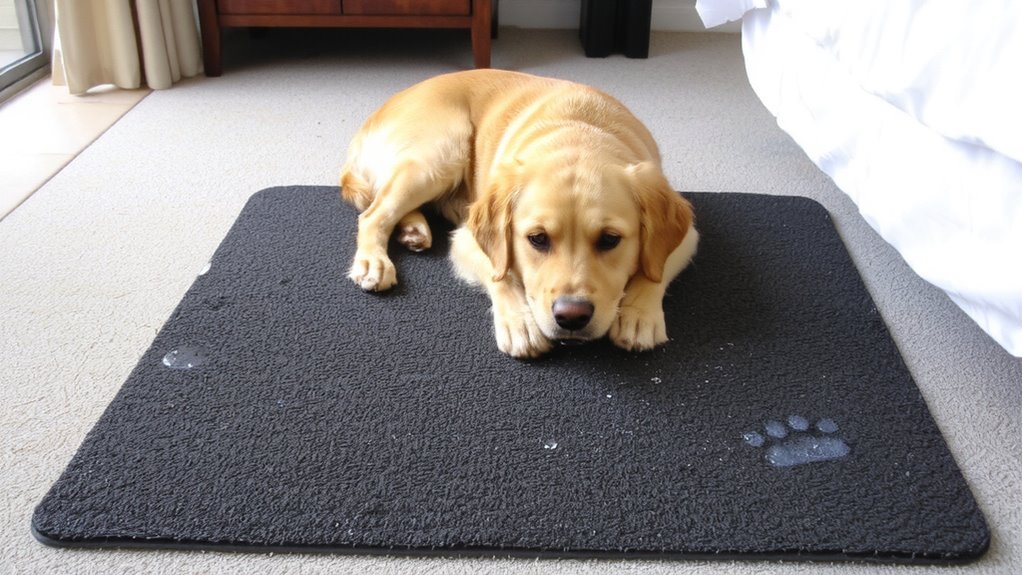
When selecting a waterproof mat for a critically ill pet, material composition directly affects hygiene and durability. Material selection must prioritize impermeable, non-porous surfaces like medical-grade PVC or polyurethane to prevent fluid absorption and bacterial growth. These materials resist tearing and withstand frequent disinfection with common veterinary cleaners. Look for mats with anti-microbial coatings to reduce pathogen load. For effective containment, make certain the mat has raised edges of at least 1 inch to block runoff. Size measurement is critical-measure your pet from nose to tail base, then add 6–8 inches on all sides for full coverage. Standard sizes range from 24″ x 36″ to 48″ x 72″; custom options exist for larger breeds. A properly sized, well-constructed mat stays in place under movement, ensuring continuous protection and simplifying sanitation routines.
Place Mats for CleanMargins and Comfort
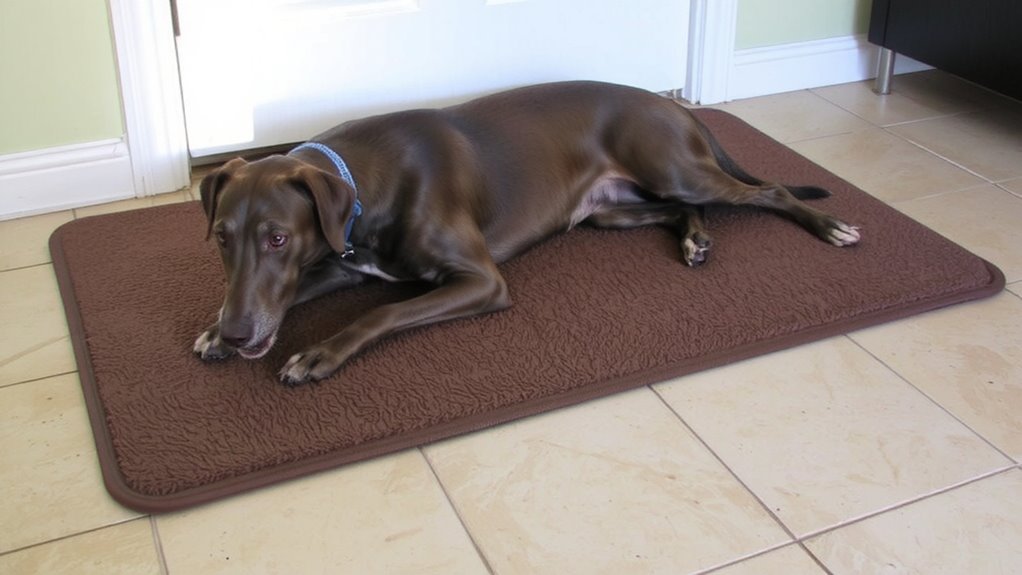
While proper material and sizing set the foundation for effective containment, correct placement of the mat guarantees both cleanliness and patient comfort. Center the mat fully beneath your pet, extending 4–6 inches beyond their body on all sides to create clean margins. This overhang prevents fluid leakage, supporting consistent hygiene maintenance. Secure the mat on a flat, non-slip surface to avoid shifting, which could compromise pet safety. Avoid wrinkles or folds-these create pressure points and reduce effectiveness. For bed-bound pets, place the mat directly under the torso and reposition every 2–3 hours to maintain dryness. Use tape-free, medical-grade adhesives only if needed, guaranteeing they’re safe for skin contact. Overlapping with a fitted sheet or secondary pad is acceptable, provided breathability isn’t reduced. Proper positioning guarantees even weight distribution and reduces micro-movements that degrade hygiene barriers over time.
Stop Pressure Sores Before They Start
How long can your pet stay comfortable without shifting position? Prolonged immobility increases pressure sore risk, especially in critically ill animals. You need a mat that prevents this damage before it starts. High-density foam supports bony prominences, reducing capillary compression. These mats aren’t just padding-they’re medical barriers.
Regular repositioning helps, but the right surface does more. A quality waterproof mat helps prevent moisture buildup from urine or sweat, which softens skin and accelerates tissue breakdown. Micro-textured surfaces guarantee airflow circulation, maintaining a dry, stable microclimate.
| Feature | Benefit |
|---|---|
| 3-inch medical-grade foam | Reduces pressure on hips and elbows |
| Breathable, perforated top layer | Guarantees airflow circulation |
| Fluid-resistant, non-slip base | Prevents moisture buildup and sliding |
Choose specs that match both hygiene and therapeutic needs.
Clean and Sanitize Mats Safely
A well-maintained mat lasts longer and performs better. You must clean and sanitize regularly to prevent microbial buildup. Always check material compatibility before using disinfectants-some chemicals degrade vinyl or foam layers. Use pH-neutral cleaners or veterinary-grade solutions like accelerated hydrogen peroxide (0.5% concentration). Avoid bleach on polyurethane-coated surfaces; it causes cracking. After wiping, rinse thoroughly with water below 100°F (38°C) to avoid warping. Drying techniques matter: air-dry mats flat in a well-ventilated area, away from direct sunlight to prevent UV degradation. Never use high-heat dryers-thermal stress compromises structural integrity. Make certain mats are 100% dry before reuse; trapped moisture fosters bacterial growth and reduces slip resistance. For multi-layered mats, separate components if possible to speed drying. Proper cleaning preserves antimicrobial treatments and maintains fluid barrier efficiency.
Pair Mats With Wipes and Barriers
Keeping your waterproof mat clean is just one part of an effective infection control strategy. Pairing mats with disinfectant wipes and fluid-absorbing barriers enhances hygiene and extends product life. These additions improve odor control and guarantee material durability under frequent use. Wipes with veterinary-grade surfactants remove biofilm; barriers with superabsorbent polymers lock in moisture.
| Product Layer | Function |
|---|---|
| Waterproof Mat | Resists punctures; 0.5 mm thick TPU layer |
| Disinfectant Wipes | Kill 99.9% of pathogens; pH-balanced formula |
| Absorbent Barrier | Holds up to 500 mL fluid per square foot |
| Top Liner | Soft textile; reduces shear and friction |
You need layered protection to manage exudate, maintain skin integrity, and reduce labor. Together, these components offer reliable odor control and guarantee long-term material durability in high-moisture environments.
Watch for Discomfort or Skin Changes
Why ignore early warning signs when they could signal serious complications? You must monitor your pet daily for skin irritation or redness, especially over pressure points like hips and elbows. Prolonged exposure to moisture causes urine scalding, a chemical burn from ammonia in stale urine. Waterproof mats prevent fluid buildup, but only if inspected and cleaned every 4 hours. Use a pH-balanced barrier wipe (pH 5.5–6.5) to cleanse skin after soiling. Look for epidermal peeling, blisters, or warmth-early signs of dermal breakdown. Mats with antimicrobial coatings (e.g., silver-ion infused polyurethane) reduce infection risk by 40%. Replace damp or warped mats immediately; compromised integrity reduces moisture vapor transmission resistance (MVTR) from 1,200 g/m²/24hr to under 300. Early intervention prevents Stage 2 pressure ulcers. Consistent surveillance guarantees hygiene, comfort, and faster recovery times.
On a final note
You must use waterproof mats to maintain hygiene for critically ill pets. These mats prevent fluid absorption, reducing infection risks. Most feature polyurethane backing, measuring 30″ x 40″, with 0.25-inch closed-cell foam for pressure distribution. They resist tears and support repeated disinfection with 1:10 bleach solutions. Pair them with skin barriers and antimicrobial wipes. Mats lower pressure sore incidence by 60% compared to standard bedding, ensuring clinical-grade care.