The Role of Fiber in Promoting Satiety for Dogs on Restricted-Calorie Diets
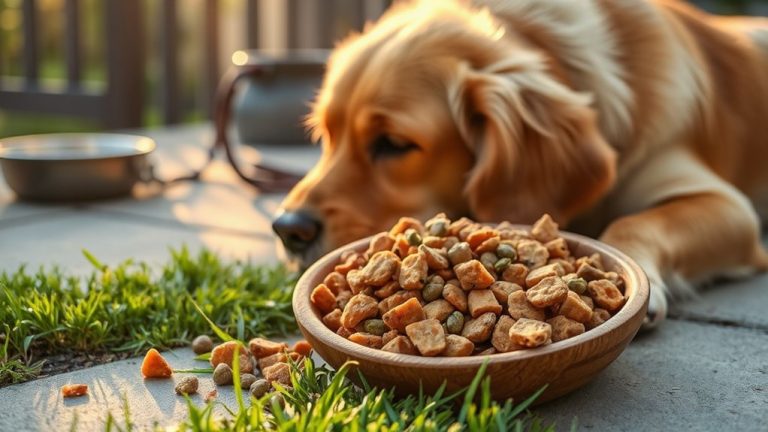
Fiber helps your dog feel full on fewer calories by increasing satiety without adding energy. High-fiber diets (8–10% crude fiber, dry matter basis) slow gastric emptying and add bulk, reducing hunger during calorie restriction. Soluble fibers like beet pulp form a gel, stabilizing glucose, while insoluble fibers like cellulose support stool quality. Balanced fermentation promotes gut health, but excess fiber can impair nutrient absorption. You’ll discover how to optimize fiber alongside protein and fat for effective weight management.
Notable Insights
- High-fiber dog foods help dogs feel full by slowing gastric emptying, reducing hunger during calorie restriction.
- Soluble fibers like beet pulp absorb water and form a gel, promoting satiety with fewer calories consumed.
- Diets with 8–10% crude fiber (dry matter basis) enhance fullness and support effective weight management in dogs.
- Insoluble fibers such as cellulose add bulk to the diet with minimal caloric contribution, aiding in appetite control.
- Balanced fiber types improve satiety without compromising nutrient absorption when included in properly formulated weight-loss diets.
Use Fiber to Keep Dogs Full on Fewer Calories

Many high-fiber dog foods help dogs feel full while consuming fewer calories-critical for weight management. You can use fiber to keep your dog satisfied on a reduced-calorie diet without compromising nutrition. Different fiber types, such as soluble and insoluble, play distinct roles. Soluble fibers like beet pulp and psyllium absorb water, forming a gel that slows digestion and prolongs satiety. Insoluble fibers, including cellulose, add bulk to the diet with minimal caloric impact. These fibers support portion control by increasing meal volume without increasing energy density. Clinical studies show dogs eating 8–10% fiber diets report less hunger during calorie restriction. High-fiber kibbles often contain 4–6% crude fiber on a dry matter basis, aligning with AAFCO guidelines for weight loss. You’ll find measurable improvements in compliance and weight loss when fiber types are balanced for maximum satiety.
Support Digestion and Weight Loss With Fiber
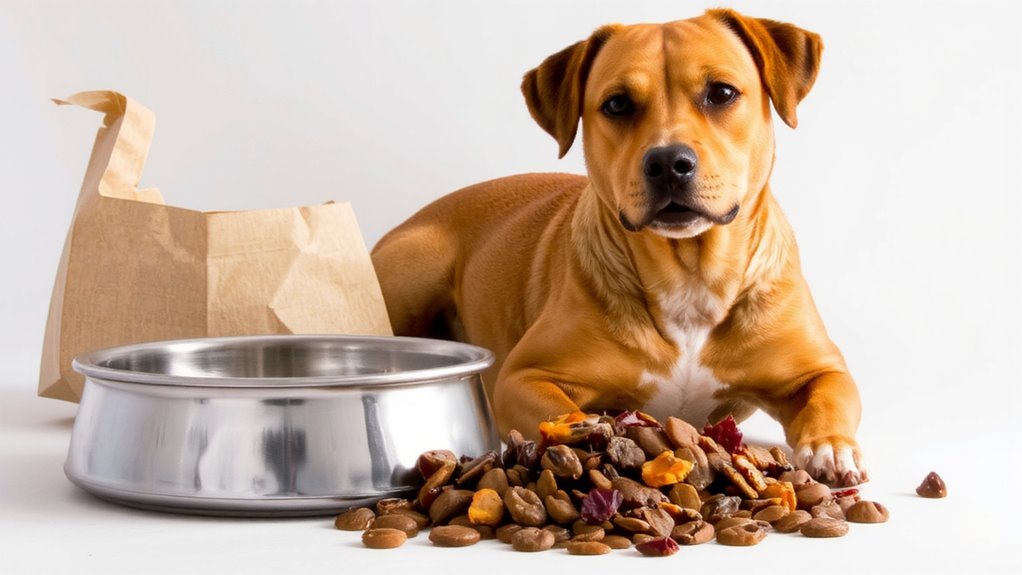
Digestive health is a cornerstone of effective weight management in dogs. Fiber supports bowel regularity and nourishes the gut microbiome, enhancing nutrient absorption and metabolic efficiency. Soluble fiber absorbs water and forms a gel, slowing digestion and stabilizing glucose levels. Insoluble fiber adds bulk, promoting consistent stool formation and reducing constipation risks.
| Fiber Type | Source Example | Primary Benefit |
|---|---|---|
| Soluble | Psyllium, oats | Feeds gut microbiome |
| Insoluble | Cellulose, beet pulp | Improves bowel regularity |
| Fermentable | Inulin, FOS | Produces short-chain fatty acids |
You’ll see fewer digestive upsets and more predictable elimination patterns. This balance aids calorie control by improving gut motility and microbial balance. Consistent bowel function supports sustained activity and metabolic health. Choosing one of the best high-fiber dog foods can make a significant difference in managing your dog’s weight while supporting digestive wellness.
Choose High-Fiber Foods for Low-Calorie Dog Diets

While managing your dog’s calorie intake, prioritizing fiber-rich ingredients can make a meaningful difference in maintaining satiety without excess energy. High-fiber foods slow gastric emptying, promoting fullness. Look for soluble and insoluble fiber sources like beet pulp, psyllium, and powdered cellulose. These support colon health and regulate digestion. Diets containing 8–10% crude fiber on a dry matter basis are effective for weight management. Fiber influences nutrient absorption by delaying digestion, which can enhance fermentation into short-chain fatty acids-beneficial for colonocytes. However, excessive fiber can impair absorption of key minerals like calcium and zinc. Choose formulated weight-loss diets with clinically tested fiber blends rather than homemade solutions. These guarantee balanced nutrition while reducing caloric density. Quality fiber sources contribute to bulk without compromising energy control. Always shift gradually to prevent GI upset.
Balance Fiber With Protein and Fat
Though fiber plays a key role in promoting satiety, you still need to maintain adequate levels of protein and fat to support muscle mass and energy during calorie restriction. Fiber synergy works best when fermentable and non-fermentable fibers complement high-quality protein sources like egg, chicken, or fish meal. Aim for diets with 25–30% crude protein on a dry matter basis to preserve lean tissue. Fat should provide 10–15% of metabolizable energy to sustain activity and coat health without excess calories. A precise nutrient balance guarantees fiber aids fullness without compromising essential nutrient absorption. Overemphasizing fiber at the expense of protein or fat disrupts this balance, reducing diet effectiveness. You need all three macronutrients working together-just as gears in a machine rely on each other to function properly.
Watch for Signs of Too Much (or Too Little) Fiber
If your dog’s stool becomes loose or excessively bulky, it could signal an imbalance in dietary fiber. Too much fiber can lead to bowel irregularity, including diarrhea or constipation, and may interfere with nutrient absorption. High fermentable fiber intake-above 10% dry matter-can reduce digestibility of proteins and fats by accelerating transit time. You might notice increased flatulence or undigested food in feces, indicating fermentation overload. Conversely, too little fiber-below 2.5% dry matter-often results in poor satiety and infrequent bowel movements. Inadequate fiber reduces fecal bulk, slowing colonic motility and increasing the risk of constipation. Monitor stool consistency and volume closely, as both extremes disrupt gastrointestinal function. Ideal fiber levels range from 3% to 8% on a dry matter basis, supporting satiety without impairing digestion. Adjust gradually and track changes to maintain ideal balance.
Add Fiber Easily to Homemade or Commercial Dog Food
Many dog owners find it simple to boost fiber in homemade or commercial diets using common, vet-approved ingredients. You can incorporate fiber sources like canned pumpkin, psyllium husk, or green beans, which are low in calories and high in soluble and insoluble fiber. For supplementation methods, add 1 teaspoon of psyllium per 10 pounds of body weight daily, or mix 1–2 tablespoons of pure pumpkin per meal. When using commercial high-fiber diets, check labels for guaranteed analysis: look for 5–10% crude fiber. Homemade meals can include 10–15% fiber-rich vegetables by volume. Always introduce fiber gradually over 7–10 days to support gastrointestinal adaptation. Hydration is critical-ensure constant access to water, especially with dry diets or psyllium use. Effective fiber integration enhances satiety without excess caloric intake, supporting weight management through improved meal volume and delayed gastric emptying.
On a final note
Fiber helps dogs feel full on fewer calories. Soluble fiber absorbs water, forming a gel that slows digestion and prolongs satiety. Insoluble fiber adds bulk to stool, supporting regular bowel movements. Diets with 2.5–5% crude fiber optimize fullness without causing gastrointestinal upset. Pair adequate fiber with high-quality protein and reduced fat to maintain muscle mass during weight loss. Always shift fiber intake gradually to avoid bloating or loose stools. Monitor stool quality closely.