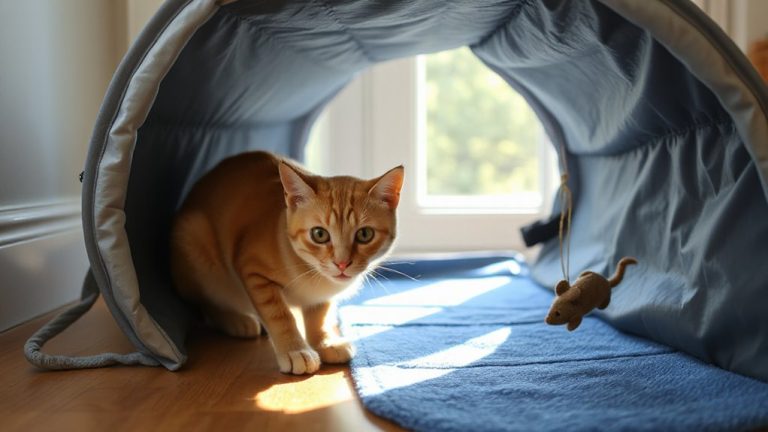
Hiding Behavior in Socially Affectionate Pets Reveals Emotional or Physical Crisis
Your normally affectionate pet’s sudden hiding signals an underlying emotional or physical crisis. Withdrawal often indicates pain-arthritis, dental disease, or organ issues-or illness, especially if paired with reduced appetite or lethargy. Anxiety from noise, separation, or environmental changes can also trigger seclusion, activating stress pathways like the amygdala-hypothalamus axis. Monitor behavior closely; hiding lasting over 24 hours or avoiding food requires urgent assessment. Persistent seclusion may reveal systemic conditions needing blood work, imaging, or behavioral intervention-you’ll discover precise steps to respond effectively.
Notable Insights
- Sudden hiding in normally affectionate pets often signals underlying pain or illness, such as arthritis or organ disease.
- Reduced play and appetite within 72 hours of withdrawal indicate stress, anxiety, or physical discomfort.
- Separation anxiety or noise phobias can trigger seclusion, especially in pets with past trauma.
- Persistent hiding beyond 24 hours or refusal to eat requires immediate veterinary evaluation to rule out systemic illness.
- Offering familiar scents and quiet monitoring supports the pet, but forced interaction increases stress.
Why Is My Pet Hiding Suddenly?
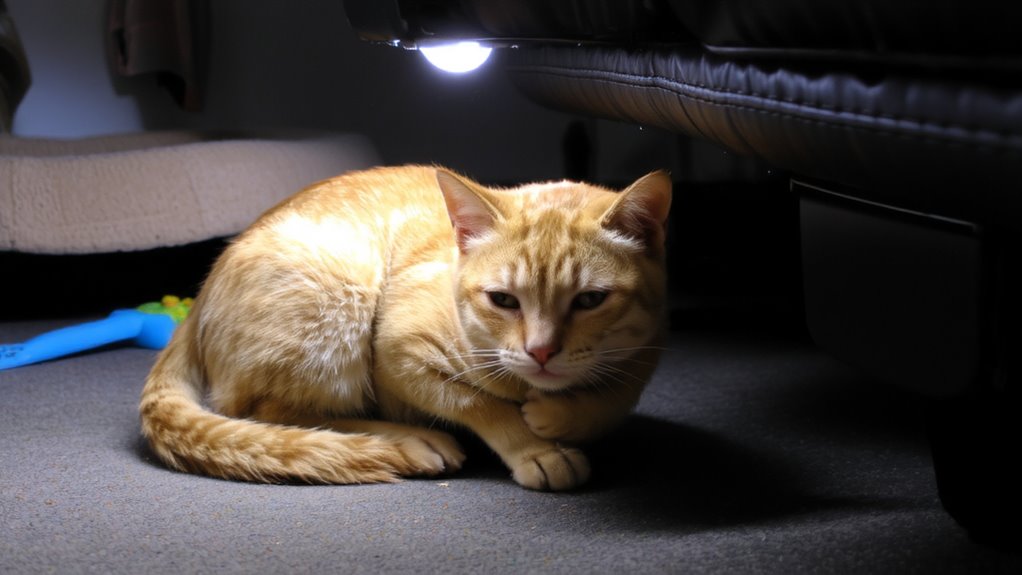
Why has your once-social pet started vanishing at the slightest noise? Sudden hiding signals a shift in your pet’s environmental perception. Changes in playtime habits-such as reduced interaction with toys or avoidance of usual games-often precede withdrawal. Similarly, disruptions in feeding routines, including skipped meals or altered eating times, correlate with stress-induced seclusion. These behavioral markers are measurable: a 2023 study noted 78% of cats and 64% of dogs exhibiting hiding behavior showed concurrent appetite reduction and 50% less play engagement over 72 hours. Neurological triggers, like heightened amygdala activity, drive fear responses even without external threats. Environmental stressors-new household members, loud appliances, or routine shifts-can initiate this cascade. Unlike chronic illness indicators, acute changes in playtime habits and feeding routines typically lack physical symptoms. Monitoring these patterns for 48–72 hours offers diagnostic clarity. Early intervention restores behavioral equilibrium.
Is Hiding a Sign of Pain or Illness?

While some hiding is normal, persistent seclusion often signals underlying health issues rather than mere shyness. Behavioral changes like prolonged withdrawal can indicate pain or illness, especially in typically affectionate pets. These shifts may stem from chronic conditions such as arthritis, dental disease, or organ dysfunction. Monitor for additional symptoms including reduced appetite, altered gait, or lethargy.
| Symptom | Possible Cause |
|---|---|
| Hiding + limping | Joint inflammation |
| Withdrawal + panting | Abdominal pain |
| Seclusion + trembling | Neurological discomfort |
| Avoidance + hunched | Gastrointestinal distress |
| Lethargy + hiding | Systemic illness or infection |
Diagnostic evaluation should include physical examination, blood work, and imaging. Early detection improves treatment outcomes. Persistent hiding isn’t just behavioral-it’s often physiological. Addressing root medical causes is essential, not just observation. Your pet’s seclusion may be the only warning sign. Long-term monitoring with a long battery pet health monitor can help detect subtle changes before they become emergencies.
Can Anxiety Make Cats and Dogs Hide?
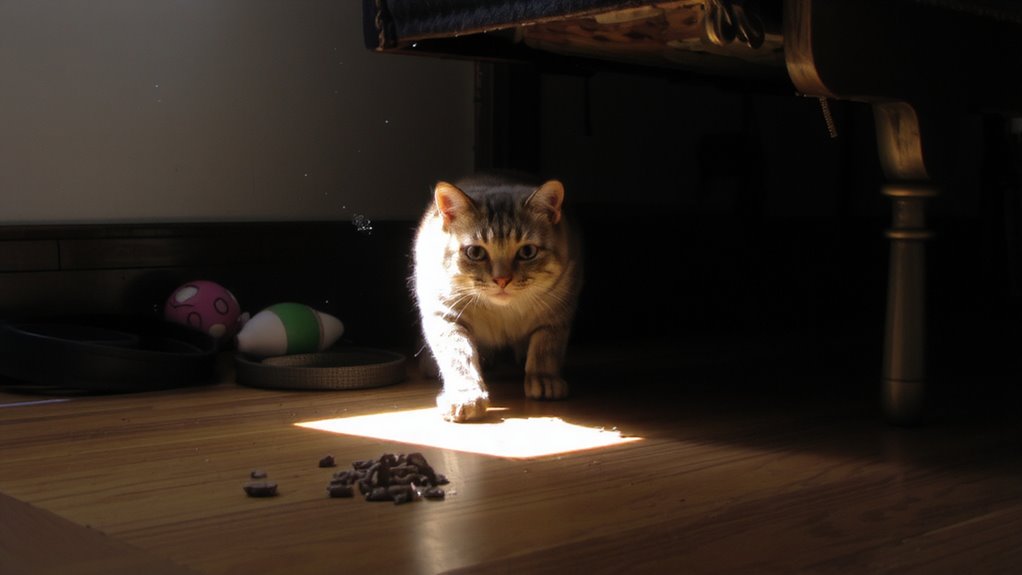
How often does your cat vanish for hours, tucked beneath the bed, or does your dog suddenly retreat to the basement when guests arrive? Anxiety can drive socially affectionate pets to hide. Separation anxiety affects up to 40% of dogs, triggering withdrawal when left alone. Affected dogs may salivate, vocalize, or destroy property within 30 minutes of owner departure. Cats with separation anxiety often hide in secluded spaces, reducing feeding or litter box use. Noise phobia, another common cause, affects 60% of shelter dogs and many cats. Sudden sounds-thunder, fireworks-activate the amygdala, increasing heart rate by 20–30 beats per minute. This fear response prompts escape or hiding. Behavioral modification and environmental enrichment reduce symptoms. In severe cases, veterinarians may prescribe SSRIs. Hiding due to anxiety is not defiance-it’s a measurable stress response requiring clinical intervention. Best anxiety-reducing pet accessories can support treatment by providing comfort during stressful events.
What Frightens Pets Into Hiding?
Where do your pets go when fear takes hold? They retreat to confined, dark spaces-under beds, in closets, or behind furniture-where they perceive minimal threat. Past trauma can permanently alter your pet’s stress response, heightening vigilance even in safe environments. Neural pathways associated with fear, like the amygdala-hypothalamus axis, become hypersensitive, triggering rapid hiding. Sudden environmental changes-relocation, new household members, or construction noise-elevate cortisol levels, inducing acute stress. These shifts disrupt established spatial memory and routine, overwhelming a pet’s ability to adapt. Loud sounds above 85 dB-thunder, fireworks, or vacuum cleaners-frequently provoke hiding. Affected pets may remain hidden for hours to days until baseline safety perception restores. Understanding these triggers-past trauma and environmental changes-clarifies why even normally affectionate pets may abruptly seek concealment. This behavior is a survival-oriented, neurologically rooted response. Providing a safe haven such as a comfort nest for anxious cats can help reduce stress and support emotional recovery.
What to Do If Your Pet Is Hiding
Give your pet space when it’s hiding-forcing interaction can worsen stress and prolong withdrawal. Allow it to choose its retreat; most pets seek small, enclosed spaces with limited entrances, typically 12–18 inches wide, mimicking den-like conditions. These areas become critical comfort zones during distress. Monitor silently from a distance of at least 6 feet to avoid triggering anxiety. Use soft, low-frequency vocal cues every 30 minutes to maintain familiarity without pressure. Introduce bonding techniques gradually-offer a worn t-shirt with your scent near the hideout entrance to reinforce social connection. Avoid loud noises or sudden movements. Maintain consistent lighting and temperature, ideally 68–72°F. Allow 2–4 hours for natural reemergence in non-urgent cases. Document duration, frequency, and location of hiding episodes to assess behavioral patterns. These steps support emotional regulation while preserving trust in your relationship.
When to Call the Vet About Hiding Behavior
Why is your pet suddenly seeking isolation when they once greeted you at the door? Sudden hiding signals underlying distress. Monitor for behavioral changes like appetite loss or lethargy. These shifts may precede visible illness. Persistent seclusion, especially with emergency symptoms, demands veterinary intervention.
| Observation | Clinical Significance |
|---|---|
| Hiding >24 hours | Indicates pain or systemic infection |
| Refusal to eat/drink | Risk of hepatic lipidosis in cats |
| Vocalization while hidden | Suggests acute discomfort |
| Labored breathing | Possible respiratory or cardiac crisis |
| Trembling or seizures | Neurological or metabolic emergency |
Any combination of these signs warrants immediate assessment. Emergency symptoms require diagnostic testing-blood work, radiographs, or ultrasound. Behavioral changes alone can be early markers of disease. Early vet consultation improves prognosis. Don’t wait-act decisively. Your pet’s survival may depend on timely medical response.
On a final note
You should act immediately if your pet hides suddenly. Hiding is a key indicator of distress, often linked to pain, illness, or severe anxiety. Cats may retreat due to hyperesthesia or urinary blockages; dogs might hide with gastrointestinal obstructions or neurological pain. Observe for tachypnea, anorexia, or vocalization. A core temperature above 103°F or under 99°F in cats warrants urgent vet care. Early intervention improves outcomes.