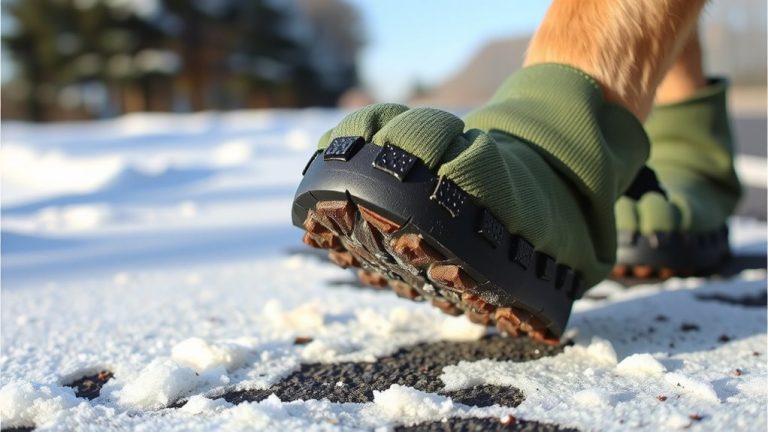
Sudden Aggression in Normally Docile Dogs Due to Undiagnosed Pain
Your normally calm dog may suddenly snap or growl due to undiagnosed pain, not aggression. Conditions like osteoarthritis cause joint degeneration, visible on radiographs as narrowed joint spaces and bone spurs. Neurological issues such as cervical spine disease can also trigger reactivity. Watch for stiffness, reluctance to jump, or panting at rest. Avoid punishment; use a 6 ft leash indoors and baby gates. A vet exam, blood work, and imaging can confirm the cause-and next steps follow.
Notable Insights
- Sudden aggression in calm dogs may signal undiagnosed pain rather than behavioral problems.
- Touching or disturbing a dog during rest can trigger pain-related aggression.
- Subtle signs like limping, stiffness, or reduced activity often precede aggressive outbursts.
- Medical conditions such as arthritis or neurological disorders require veterinary diagnosis and imaging.
- Avoid punishment; manage pain-driven aggression with environmental controls and veterinary treatment.
Sudden Aggression: A Sign of Hidden Pain
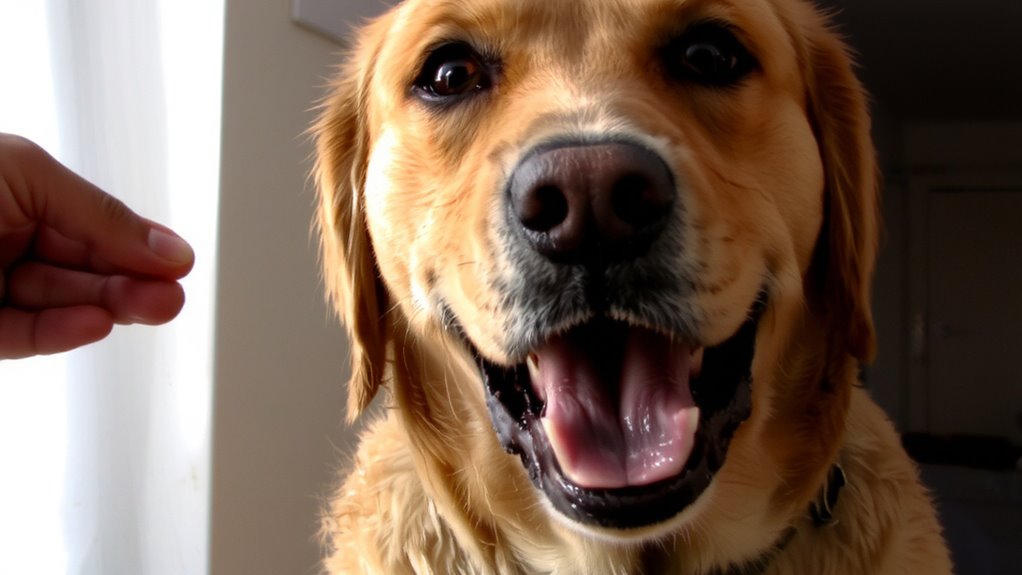
A sudden change in your dog’s behavior-like unprovoked growling, snapping, or biting-may not be due to a bad attitude. It can signal hidden pain. Behavioral triggers such as being touched, approached, or disturbed during rest may provoke aggression when discomfort exists. Dogs can’t verbalize pain, so they respond instinctively. Emotional distress often accompanies physical discomfort, amplifying reactivity. Subtle signs-limping, stiffness, reduced activity-may precede overt aggression. Pain-related irritability lowers bite inhibition. Neurologically, chronic discomfort heightens sensitivity in the amygdala, increasing fear-based responses. A dog in pain may perceive benign interactions as threats. This defensive behavior isn’t dominance; it’s self-preservation. Early observation of context-specific aggression-such as snapping when lifted or groomed-points to localized pain. Recording incident frequency, duration, and stimulus type improves veterinary assessment. Behavioral history and physical exams are essential. Recognizing emotional distress and behavioral triggers guarantees appropriate intervention before escalation.
Medical Causes of Pain-Related Dog Aggression
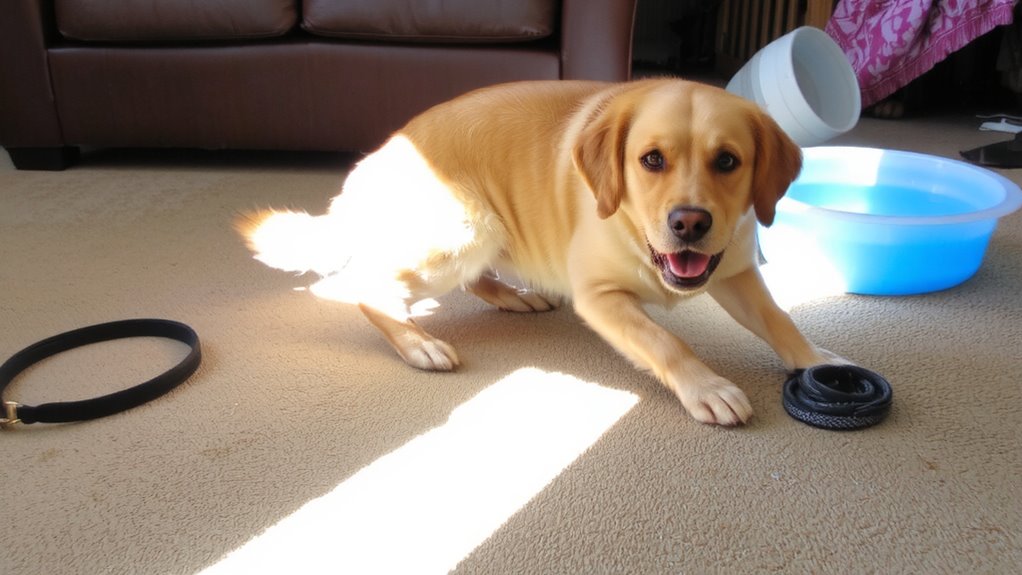
Pain is the silent trigger behind many unexpected aggressive outbursts in dogs. You might not realize your pet is suffering, but underlying medical conditions can provoke defensiveness. Neurological disorders, such as cervical spine disease or brain tumors, disrupt nerve signaling and alter behavior. These conditions can cause hypersensitivity, making routine touch painful and triggering snap reactions. Joint degeneration, commonly due to osteoarthritis, inflames synovial membranes and erodes cartilage, particularly in weight-bearing joints like hips and elbows. Radiographs often reveal decreased joint space and osteophyte formation. Pain from degeneration limits mobility and increases irritability. Conditions like these lower your dog’s pain threshold, turning normally calm animals reactive. Inflammatory mediators such as prostaglandins amplify discomfort. Diagnosing these causes requires veterinary evaluation, including physical exams and imaging. Recognizing these medical roots is essential. You need accurate diagnosis before treating aggression.
Signs Your Calm Dog Is in Pain
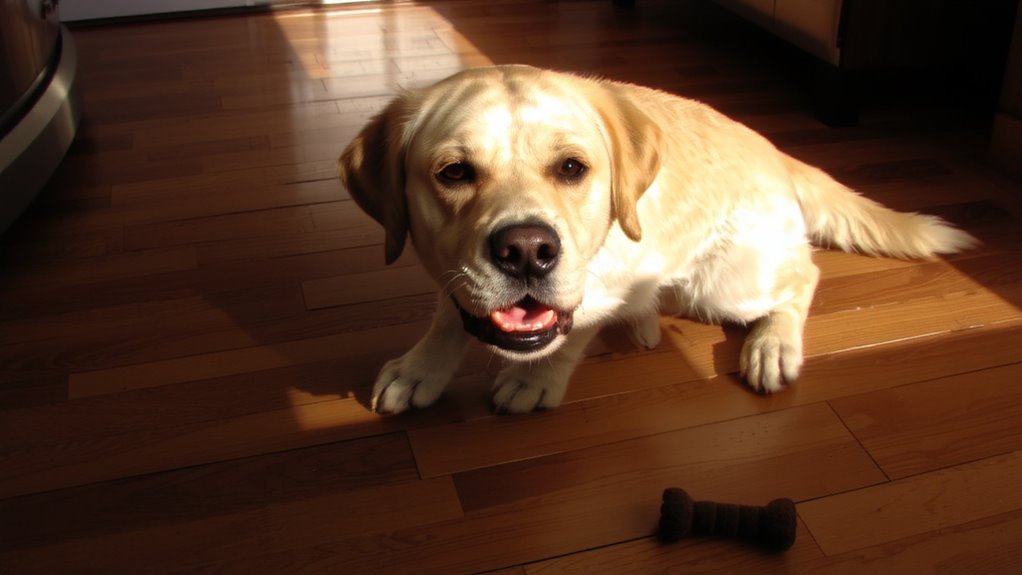
Subtle behavioral shifts are often the first clue. Your calm dog may display behavioral changes such as reluctance to jump, climb stairs, or sit normally. These actions suggest musculoskeletal discomfort, commonly linked to arthritis or spinal issues. Look for reduced tail wagging or guarding movements-indications of localized pain. Vocal cues like whining, whimpering, or low growling during rest or movement can signal distress. These sounds may occur when pressure is applied to affected areas. Your dog might also lick joints obsessively or favor one limb, altering gait patterns. Panting without exertion or excessive yawning can reflect autonomic nervous system activation due to pain. Appetite fluctuations and sleep disruption further support discomfort. These signs, though mild, are clinically significant. Early recognition improves treatment outcomes. Monitoring these behaviors systematically enables timely veterinary intervention, minimizing escalation to aggression. Pain assessment tools like the Glasgow Composite Measure Pain Scale help quantify symptoms objectively.
Responding to Pain-Driven Aggression at Home
What should you do when your dog suddenly growls, snaps, or lunges-behaviors uncharacteristic of their usual demeanor? Prioritize safety precautions and implement immediate behavior management. Avoid punishment, as pain-induced aggression isn’t defiance. Instead, limit access to high-traffic areas using baby gates (36″ height recommended) and use a leash indoors (6 ft, nylon) to maintain control during movement.
| Trigger | Response Strategy |
|---|---|
| Touch sensitivity | Avoid petting sore areas |
| Sudden movement | Provide warning before approach |
| Resource guarding | Use food puzzles away from kids |
| Noise reactivity | Use white noise at 65 dB |
| Night agitation | Install motion-sensor lighting |
Minimize stressors. Recognize that the behavior is a symptom, not the condition. Restrict stairs and jumping with a pet ramp (angled ≤30°). Consult a veterinary professional promptly.
Veterinary Diagnosis and Treatment of Canine Pain
A thorough veterinary evaluation is your dog’s best path to relief when sudden aggression points to hidden discomfort. Your vet will begin with an extensive physical exam, checking for musculoskeletal abnormalities, joint instability, or signs of neurological pain. Diagnostic imaging-such as radiographs, MRI, or CT scans-helps identify fractures, arthritis, or spinal lesions not visible externally. These tools provide precise anatomical data, enabling accurate diagnosis. Blood work and urinalysis may rule out systemic causes like infection or organ disease. Once the source is confirmed, targeted pain management begins. This often includes NSAIDs like carprofen or meloxicam, adjusted by weight and condition. In chronic cases, adjunct therapies such as gabapentin or amantadine enhance control. Treatment plans are monitored and modified using objective pain scales. Early intervention improves prognosis, often reducing or eliminating aggression once pain is resolved.
On a final note
You must address sudden aggression in once-docile dogs as a potential pain response. Undiagnosed conditions like osteoarthritis, dental disease, or neuropathic injuries cause discomfort that triggers defensive behavior. Behavioral changes correlate with physiological distress. A full veterinary exam, including orthopedic and neurological assessments, plus diagnostic imaging (radiographs or MRI), identifies underlying causes. Treatment targets the source-using NSAIDs, gabapentin, or surgery-reducing aggression by eliminating pain.