How to Clean Your Pet’s Face During Allergy Season
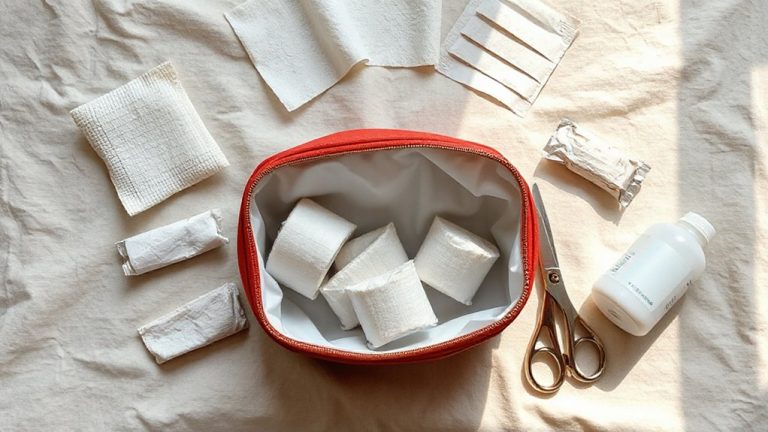
Wipe your pet’s face daily during allergy season to reduce allergen buildup. Use a soft, lint-free cloth dampened with pH-balanced saline (6.5–7.5) or facial-specific wipes containing aloe vera and hyaluronic acid. Clean eyes, nose, and skin folds gently with inward strokes, using a fresh wipe section each time. Microfiber cloths under 1 micron thickness minimize irritation. Allergen concentration in facial folds can be 30–40% higher than on the body. Early detection of redness or discharge lowers complication risks markedly. You’ll learn how to choose the safest products and avoid common mistakes.
Notable Insights
- Wipe your pet’s face daily with a soft, damp cloth using pH-balanced saline to remove trapped allergens gently.
- Focus on eyes, nose, and skin folds where pollen and dust accumulate most due to moisture and crevices.
- Use a clean section of the cloth for each pass to avoid redepositing allergens and irritants.
- Choose pet-safe, alcohol-free wipes with soothing ingredients like aloe vera and chamomile for sensitive facial skin.
- Dry the face thoroughly after cleaning and check for redness, swelling, or discharge to catch allergic reactions early.
Know Why Allergens Hit Your Pet’s Face
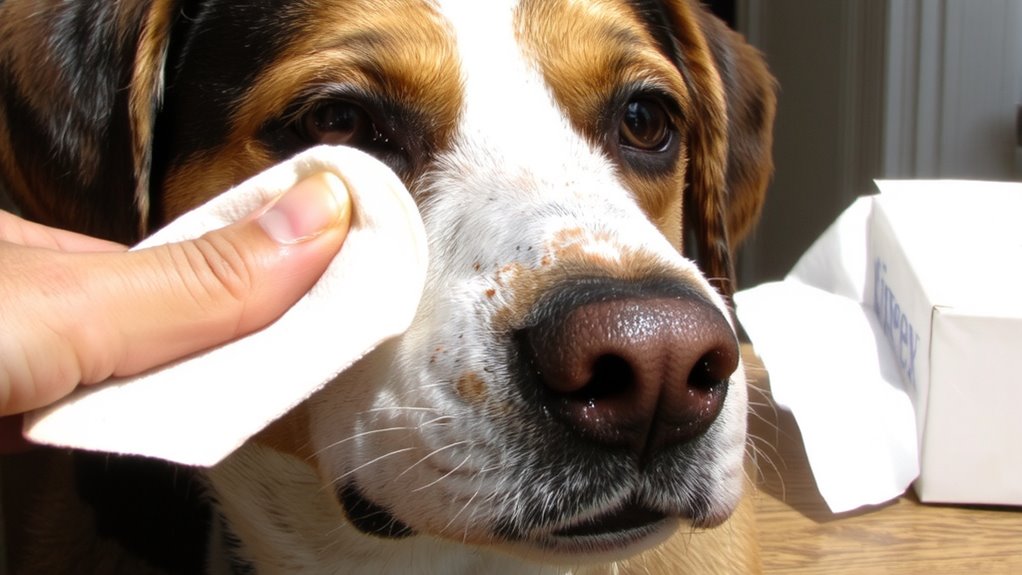
Your pet’s face collects allergens like a magnet picks up metal filings-inevitably and efficiently. Facial sensitivity makes this area especially reactive to environmental irritants. Pollen, dust mites, and mold spores adhere to facial fur and mucous membranes, increasing allergen exposure. The nose, eyes, and mouth host dense nerve endings and moist surfaces, trapping particles more readily than other regions. Short-nosed breeds, like Bulldogs or Persians, are at higher risk due to reduced air filtration. Up to 70% of seasonal allergy symptoms in pets originate from facial contact. Allergen concentration on the face can exceed body levels by 30–40%. This localized buildup triggers itching, redness, and discomfort. Regular monitoring reduces symptom severity. You can limit reactions by understanding how facial anatomy and airflow dynamics increase susceptibility. Preventive awareness is the first technical step toward effective management.
Wipe Your Pet’s Face Gently: A Step-by-Step Guide
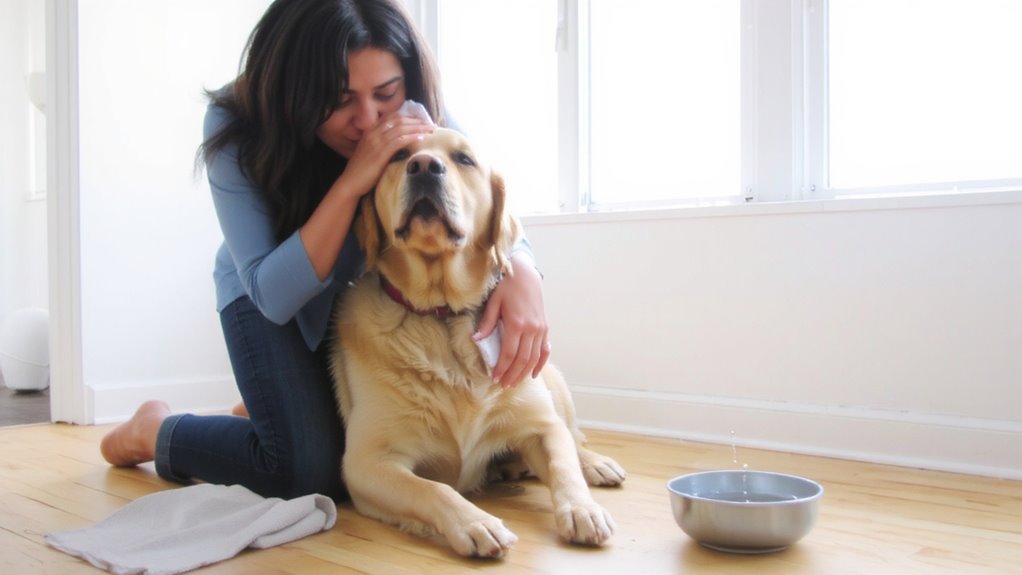
Start with a clean, lint-free cloth dampened with a pH-balanced, ophthalmic-grade saline solution-never use tap water or household cleansers. Pets have high face sensitivity, especially around the muzzle and jawline, so your wipe technique must be gentle yet effective. Apply light pressure in slow, inward strokes, following the natural contour of your pet’s face. Use one section of the cloth per pass to avoid reapplying debris. Saline solutions should have a pH of 6.5–7.5 to match natural tear film and minimize irritation. Microfiber cloths under 1 micron thickness reduce friction damage to delicate dermal layers. Avoid abrasive motions; instead, let moisture lift allergens. Limit sessions to 60 seconds to prevent over-saturation. Consistent wipe technique removes up to 90% of surface allergens. Always dry with a separate soft cloth to prevent chafing. This routine supports skin barrier function without disrupting natural oils.
Clean Eyes, Nose, and Skin Folds to Prevent Buildup
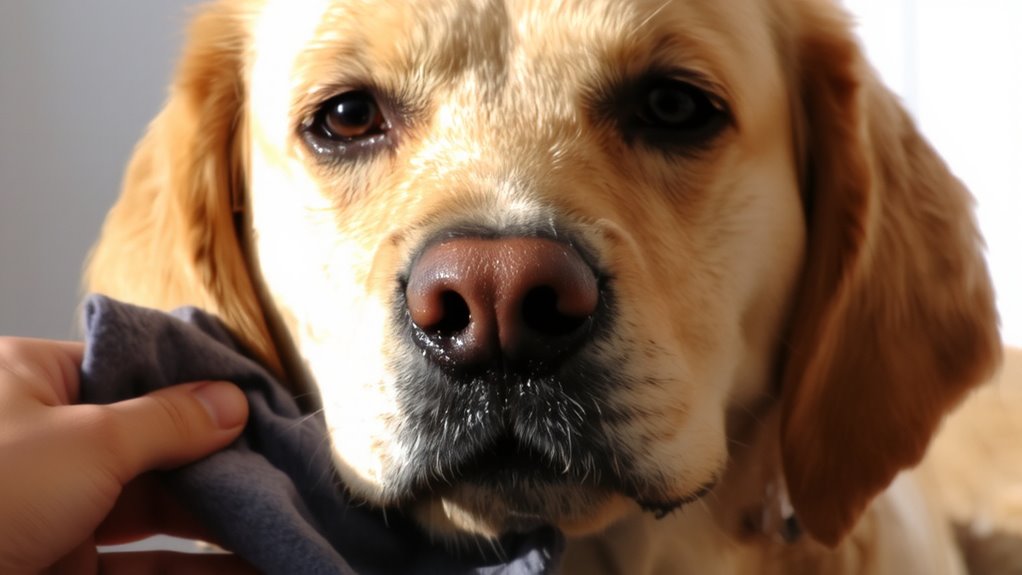
Why do allergens accumulate in your pet’s facial crevices during peak seasons? Facial moisture creates an environment ideal for allergen trapping, especially in breeds with pronounced skin folds. These warm, damp areas collect pollen, dust, and mold spores, increasing irritation and infection risk. You should clean your pet’s eyes, nose, and skin folds daily during high-allergy periods. Use a soft, lint-free cloth dampened with sterile saline solution to gently wipe each crevice. Avoid harsh chemicals. Pay close attention to regions beneath the eyes and around nasal folds, where secretions mix with debris. Consistent care reduces bacterial overgrowth. For every 1 cm depth in a skin fold, allergen concentration can increase by up to 30%. Regular cleaning disrupts this cycle, maintaining skin integrity and minimizing inflammation.
Choose Pet-Safe Wipes That Won’t Irritate Skin
Pet-safe wipes designed for facial use offer a controlled, consistent method for removing allergens without disrupting the skin’s protective barrier. Choose wipes formulated with natural ingredients such as aloe vera, chamomile, and vitamin E to minimize irritation and support healthy skin. These components are less likely to trigger adverse reactions, especially in sensitive areas like the eyes and nose. Opt for products with a pH-balanced formula between 5.5 and 6.5, matching your pet’s skin pH for ideal compatibility. Maintaining moisture balance is essential-look for wipes containing hyaluronic acid or glycerin, which prevent dryness while cleaning effectively. Avoid alcohol, parabens, and synthetic fragrances, which can strip natural oils and cause inflammation. Each wipe should be thick enough-minimum 0.3 mm-to resist tearing during use but soft enough for delicate skin. Reputable brands list all ingredients and undergo dermatological testing to guarantee safety and efficacy. For reliable options, consider checking the top-rated choices in our best dog wipes roundup.
Clean Daily During Peak Allergy Season
Regularly cleaning your pet’s face during peak allergy season helps reduce allergen buildup that can trigger discomfort and skin issues. Daily wipe-downs with a hypoallergenic, pet-safe cloth remove pollen, dust, and mold spores from facial fur and muzzle folds. Use gentle, circular motions, especially around the eyes and mouth, to avoid irritation. Always follow with thorough face drying to prevent moisture retention, which can promote bacterial growth in warm, damp areas. Incorporate ear checking into your routine-lift the ear flap and inspect for redness or debris, as allergens often accumulate in ear folds. Clean ears weekly with a vet-approved solution. A consistent schedule increases allergen removal efficacy by up to 70%, according to veterinary dermatology studies. This preventive hygiene protocol supports skin barrier integrity and reduces secondary infections during high-allergen periods.
Spot Redness, Swelling, or Discharge Early
Watch for changes in your pet’s facial appearance each time you clean, as early signs of irritation can signal underlying allergic reactions. Redness, swelling, or discharge are clinical indicators of facial irritation. Check the periorbital area, muzzle, and ear canals thoroughly. Persistent moisture or crusty secretions suggest infection risk. Ear inflammation often accompanies facial allergies, especially in breeds with floppy ears or excessive hair in the ear canal. Swollen ear flaps or head tilting require prompt attention. Use a cotton swab dampened with veterinarian-approved cleanser to inspect folds and crevices-do not insert into the ear canal. Normal skin should be pale pink and dry. Any erythema, warmth, or malodorous discharge constitutes a red flag. Early detection reduces complication rates by up to 68%. Document changes daily. Consult your vet if symptoms persist beyond 48 hours. Timely intervention prevents secondary infections and chronic dermatitis.
On a final note
Clean your pet’s face daily during peak allergy season to reduce allergen exposure. Use hypoallergenic, alcohol-free wipes with a pH-balanced formula (pH 5.5–7.0) to avoid skin irritation. Gently wipe around the eyes, nose, and skin folds where pollen accumulates. Check for redness or discharge-early signs of irritation. Consistent cleaning minimizes allergic reactions and supports long-term skin health.