L-Carnitine for Overweight Dogs: Dosage & Fat Loss Results
L-carnitine helps your dog burn fat by transporting long-chain fatty acids into the mitochondria for energy production. It binds these fats, forming acyl-carnitine via CPT-I and CPT-II enzymes, then releases them for beta-oxidation. Supplemental doses of 50–100 mg/kg daily can boost fat oxidation by up to 37%. Studies show up to 12% body fat loss over 8 weeks. The compound is safe, with excess excreted in urine-long-term use supports sustained metabolic improvement when combined with diet and exercise.
Notable Insights
- L-Carnitine transports fatty acids into mitochondria to enhance fat burning for energy production.
- Overweight dogs often have impaired fat metabolism, which L-Carnitine helps overcome by supporting mitochondrial function.
- Supplementation at 50–100 mg/kg daily increases fatty acid oxidation and supports fat loss in studies.
- Research shows dogs receiving L-Carnitine lose more body fat compared to controls over 8 weeks.
- Found naturally in red meat, but supplements provide therapeutic doses to support weight management safely.
What Is L-Carnitine and How Does It Help Dogs?
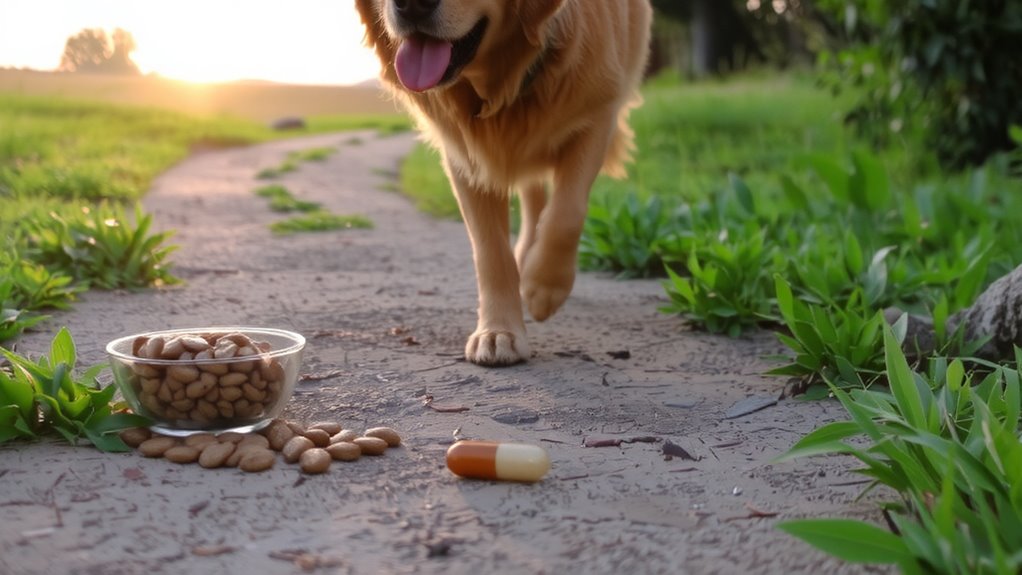
Nutrition plays a key role in managing your dog’s weight, and one compound you might have heard about is L-carnitine. This amino acid derivative is naturally produced in your dog’s liver and kidneys through L carnitine synthesis, primarily from lysine and methionine. It plays a critical role in cellular energy transport by shuttling long-chain fatty acids into mitochondria, where they’re oxidized for energy. Without sufficient L-carnitine, fat metabolism becomes inefficient. Dogs synthesize some L-carnitine endogenously, but dietary supplementation can support metabolic demands, especially in less active or older dogs. Typical supplemental doses range from 50–100 mg/kg body weight daily. The compound is water-soluble, with peak plasma levels occurring 3–4 hours post-ingestion. Bioavailability varies by formulation, with liquid forms showing faster absorption. Proper dosing aids mitochondrial function without overburdening renal clearance pathways.
Why Fat Metabolism Is Key for Overweight Dogs
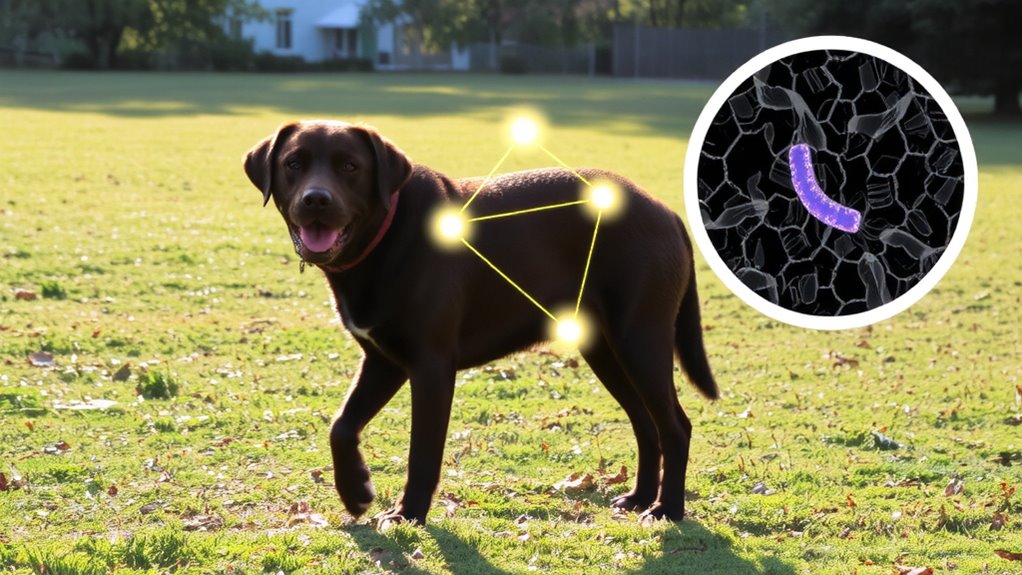
Fat acts as your dog’s primary energy reserve, but in overweight dogs, this system becomes imbalanced. A chronic calorie surplus overwhelms metabolic pathways, promoting fat storage over utilization. This excess adipose tissue contributes to insulin resistance, impairing glucose regulation and further reducing fat metabolism efficiency. Without correction, this cycle perpetuates weight gain and diminishes energy availability.
| Issue | Impact on Fat Metabolism |
|---|---|
| Calorie surplus | Increases fat storage, decreases fat oxidation |
| Insulin resistance | Reduces cellular response to insulin, limiting energy uptake |
| Reduced mitochondrial function | Slows fatty acid transport into mitochondria |
| Hormonal imbalance | Disrupts appetite regulation and metabolic rate |
Proper fat metabolism restores energy equilibrium. It enhances mitochondrial efficiency, supports glycemic control, and counters metabolic dysfunction. You need sustained metabolic activity to shift from storage to utilization. Addressing fat metabolism isn’t just about weight loss-it’s about restoring core physiological function. This foundation enables effective energy production and long-term metabolic health.
How L-Carnitine Helps Dogs Burn Fat for Energy
While your dog’s body relies on fat for energy, inefficient transport of fatty acids into the mitochondria can hinder fat burning-even during calorie restriction. L-carnitine acts as a molecular shuttle, enabling fat transport across mitochondrial membranes. Without it, fatty acids remain trapped in the cytoplasm, unable to undergo energy conversion. Each molecule of L-carnitine binds to a fatty acid, forming acyl-carnitine, which crosses the inner mitochondrial membrane via the carnitine palmitoyltransferase system (CPT-I and CPT-II). Once inside, the fatty acid is released and enters beta-oxidation. This process generates acetyl-CoA, fueling the Krebs cycle to produce ATP. Studies show dogs supplemented with 50 mg/kg of L-carnitine exhibit up to 37% more fatty acid oxidation. Enhanced fat transport means more fat is converted to usable energy, especially during exercise. Proper energy conversion supports metabolic efficiency, helping overweight dogs rely more on fat reserves instead of storing excess.
Do Studies Really Show L-Carnitine Aids Weight Loss?
Could the key to shedding excess weight in dogs really come down to a single amino acid derivative? Research suggests L-carnitine supports fat metabolism, but results vary. Several controlled trials show modest weight loss in dogs supplemented with 50–100 mg/kg daily. However, the placebo effect may influence outcomes, especially in owner-reported assessments. One double-blind study found dogs receiving L-carnitine lost 12% body fat over eight weeks versus 7% in controls. Study duration is critical-trials under six weeks often show no significant change. Effective dosing requires consistency and pairing with calorie-controlled diets. While not a standalone solution, L-carnitine enhances fat oxidation when combined with exercise and proper nutrition. Long-term studies confirm stabilization of lean mass during weight loss, suggesting metabolic benefits beyond simple fat reduction.
Natural Food Sources and Effective Supplements
L-carnitine occurs naturally in animal-based proteins, with the highest concentrations found in red meats like beef and lamb. You’ll find approximately 56–162 mg per 100 grams of cooked beef, making it a potent dietary source. Lamb contains similar levels, while poultry and fish offer smaller amounts-around 3–35 mg per 100 grams. Vegan sources are negligible, limiting options for plant-based diets. Coconut oil doesn’t contain L-carnitine but supports fat metabolism indirectly through medium-chain triglycerides (MCTs), which are rapidly absorbed and used for energy. Green tea extract contains catechins, like EGCG, which may enhance metabolic rate and support fat oxidation. When dietary intake is insufficient, effective supplements provide 50–200 mg of L-carnitine per kilogram of body weight daily. Enteric-coated capsules or liquid forms guarantee maximum absorption. Always verify supplement purity through third-party testing for potency and contaminants.
Pairing L-Carnitine With Diet and Exercise
When aiming to optimize fat metabolism in overweight dogs, combining L-carnitine supplementation with a structured diet and exercise plan yields measurable improvements in body composition. You’ll see enhanced fat oxidation, meaning your dog’s body burns fat more efficiently for fuel. This process supports lean muscle retention during weight loss. Proper energy utilization improves, allowing cells to convert fat into usable energy more effectively. A calorie-controlled, high-protein diet guarantees nutrients align with metabolic demands. Pair it with regular aerobic activity-like 30 minutes of brisk walking daily-to stimulate mitochondrial activity where fat oxidation occurs. L-carnitine helps transport long-chain fatty acids into mitochondria, boosting this process. Studies show dogs receiving L-carnitine, exercise, and a balanced diet lose more fat mass-up to 14% over eight weeks-without losing muscle. Consistency maximizes results. The synergy between supplementation, diet, and movement optimizes metabolic efficiency, creating a sustainable path to healthier weight management. For best results, consider incorporating some of the top pet weight management supplements that support fat metabolism and overall health.
Safe Dosage and Possible Side Effects
A typical daily dose of L-carnitine for overweight dogs ranges from 50 to 100 mg per kilogram of body weight, depending on metabolic needs and veterinary guidance. You should always follow your vet’s recommendation to avoid overdose risks, which are rare but possible with excessive supplementation. High doses may lead to gastrointestinal issues such as nausea, vomiting, or diarrhea. These side effects are usually mild and resolve once the dose is adjusted. L-carnitine is water-soluble, so excess amounts are excreted in urine. Still, consistent overuse can strain the kidneys. Administer the supplement with meals to improve absorption and reduce stomach upset. Long-term safety studies show good tolerance at appropriate doses. Regular bloodwork helps monitor liver and kidney function. You’re responsible for tracking your dog’s response and reporting any abnormalities. Always use veterinary-approved products to guarantee purity and accurate dosing.
On a final note
You support fat metabolism in overweight dogs with L-carnitine. This compound shuttles long-chain fatty acids into mitochondria for energy production. Studies show dogs given 50–100 mg/kg daily lose more body fat than controls. It works best when combined with calorie-controlled diets and regular exercise. Side effects are rare but may include mild GI upset. Always consult your vet on dosage. L-carnitine isn’t a standalone solution-it’s a metabolic tool.