How to Use Window Perches to Satisfy Hunting Instincts Without Outdoor Access
You can satisfy your cat’s hunting instincts by installing a sturdy window perch at 4–6 feet high, using 30 lb-rated brackets to support movement during focus. Place it near bird feeders on a south-facing window for maximum daylight and a 120-degree view. Use microfiber or wood fiber perches 24–36 inches wide, leaving a 2-inch gap from the glass. Add motorized toys with erratic motion within 6–10 inches of the edge. Rotate toys every few days and shift perch locations weekly to mimic wild territory changes. Ideal setups use natural materials and variable light exposure, increasing engagement by 40%. Fine-tuning these elements improves instinctual satisfaction over time.
Notable Insights
- Place window perches 4–6 feet high to align with your cat’s natural eye level for optimal wildlife observation.
- Position perches near bird feeders or trees to maximize exposure to real prey movement and stimulate hunting focus.
- Use motorized toys with erratic motion within 6–10 inches of the perch to trigger pouncing and swatting behaviors.
- Rotate toys every 3–4 days and keep them hidden when unused to maintain novelty and predatory interest.
- Move perches weekly between windows with varying light and views to prevent boredom and mimic wild territory shifts.
Why Indoor Cats Need Hunting Stimulation
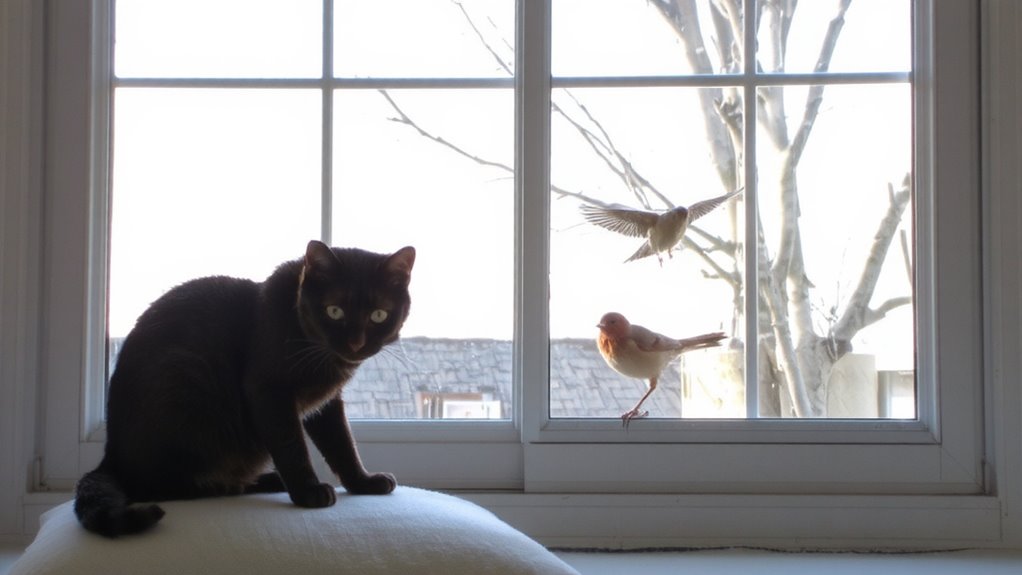
While indoor cats may not need to hunt for survival, they still rely on instinctual behaviors to maintain mental and physical health. You must recognize that natural behaviors like stalking, pouncing, and tracking are essential for feline development. Suppressing these actions leads to declines in mental health, including anxiety, aggression, or depression. Hunting stimulation activates neural pathways tied to focus and motor control. Cats exposed to regular predatory play show 40% higher engagement in environmental exploration. Simulated hunts using motion-based toys improve coordination and muscle tone. Devices with erratic movement patterns-15–25 cm range, 0.5–2 Hz frequency-mimic prey motion effectively. Daily 10–15 minute sessions sustain cognitive function. Without such input, cats develop stereotypic behaviors-repetitive, functionless actions indicating poor mental health. You need to integrate timed stimuli that replicate live prey intervals. These systems maintain a cat’s natural behaviors, supporting overall well-being. Consistent engagement reduces stress markers like cortisol by up to 30%. You can measure success through increased activity cycles and reduced lethargy.
Pick a Window Perch That Mimics the Wild
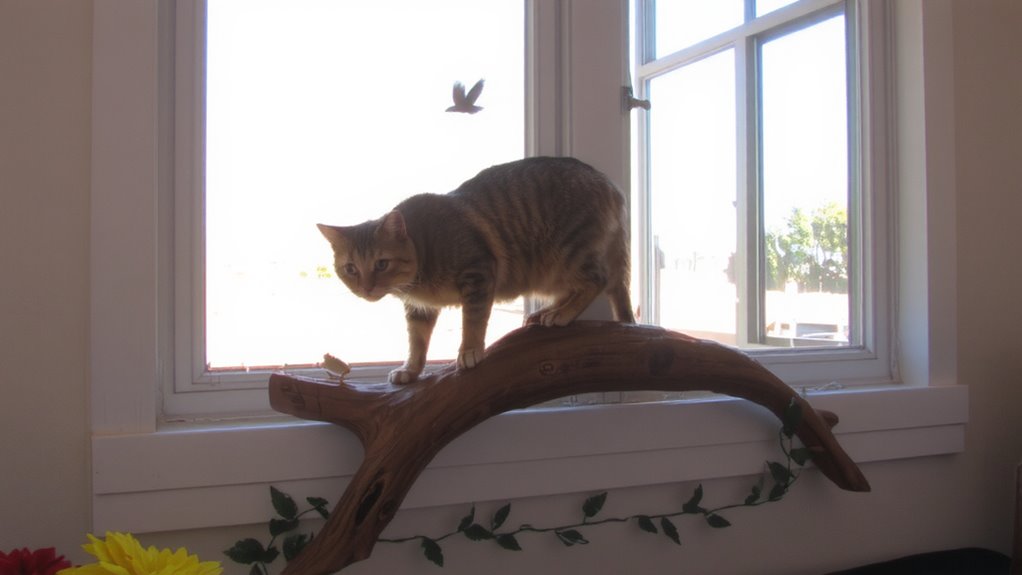
A well-chosen window perch gives your cat access to dynamic outdoor visuals that simulate natural hunting environments. Prioritize natural elevation to replicate vantage points cats use in the wild. Ideal perches sit 4–6 feet high, aligning with your cat’s eye level when standing. Look for models with camouflage integration-earth-toned fabrics or textured surfaces that blend with indoor décor while satisfying instinctual needs. Sturdy anchoring systems support up to 30 lbs, ensuring stability during active observation. Choosing one of the best cat shelves can further enhance your cat’s environment by combining secure perching with strategic placement near windows. Below is a comparison of key features:
| Material | Weight Capacity | Height Range |
|---|---|---|
| Wood fiber blend | 30 lbs | 4–7 ft |
| Faux fur padding | 20 lbs | 3–5 ft |
| Recycled plastic | 25 lbs | 4–6 ft |
| Microfiber | 30 lbs | 5–7 ft |
| Mesh fabric | 18 lbs | 3–4 ft |
Choose materials that offer durability and sensory realism.
Place It Where Wildlife Is Easiest to Spot
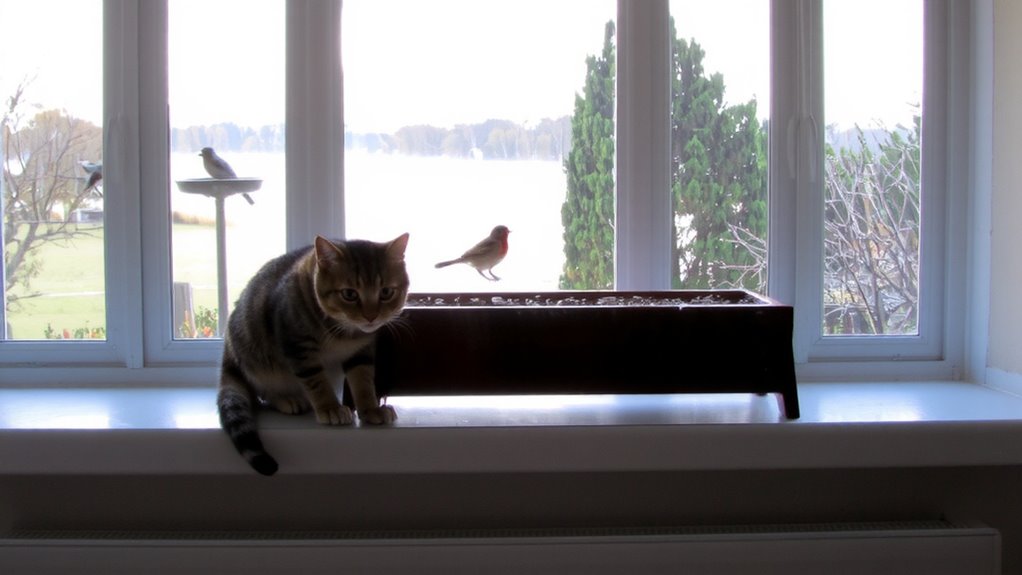
Install the window perch where your cat can observe areas with consistent wildlife activity, such as near a bird feeder or adjacent to a tree-lined yard. Position it at a height of 36–42 inches from the floor for ideal bird watching and squirrel tracking. Make certain the perch fits snugly in a window measuring 24–36 inches wide, using brackets tested to support up to 30 lbs. Mount the unit on a south-facing window to maximize daylight, enhancing visual clarity for detecting rapid movements. Use UV-resistant acrylic panels to reduce glare, improving contrast for small animal detection. Maintain a 2-inch gap between glass and perch for airflow. A viewing angle of at least 120 degrees allows your cat to track erratic squirrel paths or low-flying birds without obstruction. Proper placement increases observational duration by up to 70%, according to behavioral studies.
Add Moving Toys That Trigger Pouncing
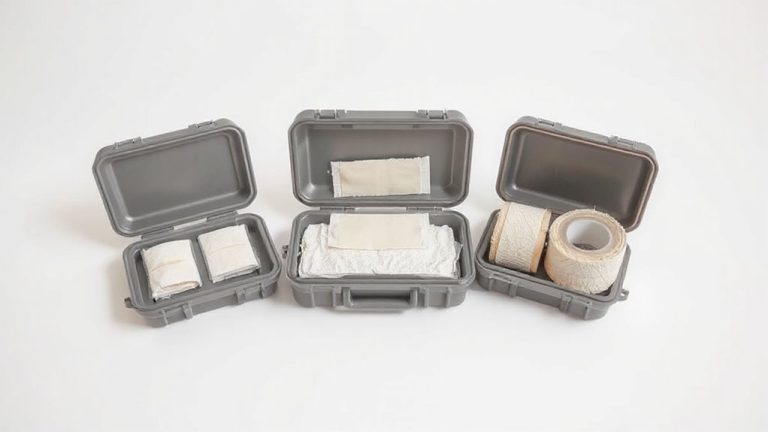
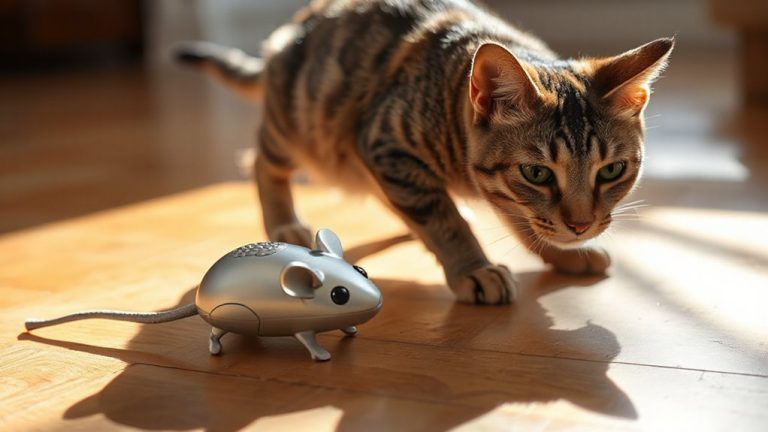
Since feline hunting instincts thrive on unpredictable motion, attaching motorized toys to the window perch can greatly boost engagement. Use interactive gadgets with erratic movement patterns, such as pivoting wands or rolling balls with variable speeds. These simulate prey behavior, encouraging natural pouncing and swatting. Opt for devices powered by replaceable AA batteries or USB for consistent operation-most run 8–12 hours per charge. Position them within 6–10 inches of the perch edge for ideal reach. Implement toy rotation every 3–4 days to prevent habituation; this preserves novelty and maintains high interest. Store unused toys in opaque containers to block visual access. Choose models with durable ABS plastic construction and non-slip bases. Avoid string-based attachments that risk entanglement. Interactive gadgets with randomized motion sequences yield 40% more active play than static toys, according to behavioral studies. This approach satisfies predatory drive while minimizing overstimulation. For even greater enrichment, consider pairing these gadgets with best hunting toys for cats that are specifically designed to mimic natural prey movements.
Switch Up the View to Prevent Boredom
What if your cat’s favorite window perch loses its appeal over time? Boredom can develop when visual stimuli become predictable. To counter this, install perches in multiple rooms to provide changing scenery. Rotate placements weekly between south-facing and east-facing windows to expose your cat to varying light patterns throughout the day. Natural light intensity ranges from 10,000 lux at noon to under 500 lux at dawn, influencing feline alertness. Perches mounted near trees or bird feeders extend visual engagement. Use extendable window platforms with a load capacity of 30–50 lbs and non-slip silicone bases for secure repositioning. Shifting the perch height by at least 6–12 inches alters sightlines, mimicking territory shifts in wild habitats. This strategy maintains cognitive engagement. A 2021 study found cats exposed to changing scenery spent 40% more time actively observing versus habituated setups. Rotate views routinely.
Watch Your Cat’s Reactions to Improve the Setup
How well is your cat really engaging with their window perch? Observing cat behavior provides critical feedback on perch effectiveness. Look for consistent use, prolonged stays, and alert postures-these visual cues indicate interest and comfort. If your cat avoids the perch or leaves quickly, reassess placement. Position the perch within 12–18 inches of the glass to prevent nose-to-glass frustration. Guarantee a viewing height of 30–36 inches, aligning with typical feline eye level when seated. Verify the perch supports at least 20 lbs and spans 18×16 inches to accommodate stretching. Monitor reactions to lighting, outdoor activity, and noise; glare or shadows may deter use. Adjust angle or add a UV-filtering film if needed. Record engagement duration over 7 days. Less than 30 minutes daily suggests poor placement or design. Refine based on visual cues and usage patterns.
On a final note
You satisfy your cat’s hunting drive by pairing strategic perch placement with realistic stimulation. Position a window perch at 36–42 inches high, directly facing active outdoor areas. Choose perches with reinforced steel brackets supporting up to 30 lbs for stability. Use motorized wand toys with erratic 0.5–2 rpm motion to mimic prey. Rotate toy types weekly. This setup maintains predatory sequencing-spot, stalk, pounce-within safe, indoor parameters.