A Deep Dive Into the Physiology Behind Pet Anxiety: From Cortisol to Pheromones
When your pet feels anxious, their amygdala activates the HPA axis, spiking cortisol by 2–3 times within minutes. This stress hormone elevates heart rate, respiration, and muscle tension while impairing hippocampal neurogenesis. Chronic anxiety alters neural pathways, increasing fear conditioning. Calming pheromones like Feliway (F3) or Adaptil bind to the vomeronasal organ, reducing amygdala activity. Pressure wraps deliver 15–30 mmHg of compression, stimulating parasympathetic response. Combined interventions modulate neuroendocrine function and support long-term resilience-you’ll discover how these systems interact to restore balance.
Notable Insights
- Separation and loud noises trigger amygdala activation, spiking cortisol by 50–70% and driving fight-or-flight responses in pets.
- Chronic stress overactivates the HPA axis, impairing feedback loops and elevating cortisol 2- to 3-fold during anxiety episodes.
- Prolonged anxiety induces neuroplastic changes in the amygdala and reduces hippocampal neurogenesis, affecting memory and fear regulation.
- Calming pheromones like Feliway and Adaptil inhibit amygdala activity via the vomeronasal organ, reducing anxiety behaviors by up to 60%.
- Pressure wraps and white noise dampen autonomic arousal by activating parasympathetic responses and masking triggering auditory stimuli.
What Causes Pet Anxiety? Common Triggers Explained
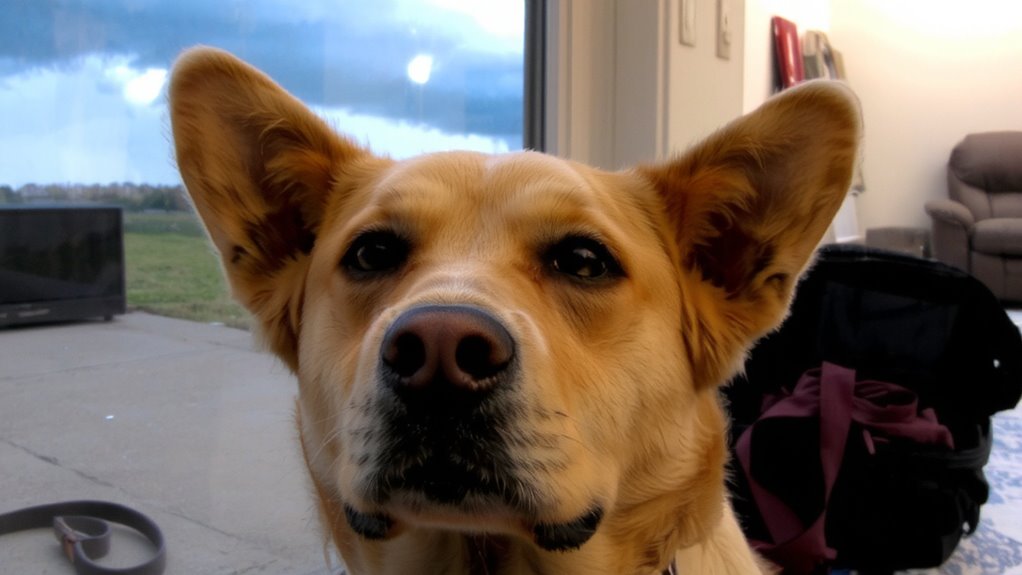
Why does your pet suddenly hide during thunderstorms or pant excessively when left alone? Common triggers like separation triggers and noise sensitivity are primary causes of pet anxiety. Separation triggers activate stress responses when pets lose contact with their owners. Studies show cortisol levels can rise 50–70% in dogs within 30 minutes of separation. Noise sensitivity, particularly to frequencies between 100–250 Hz-common in thunder and fireworks-overstimulates the auditory cortex. This causes rapid heart rate, sometimes exceeding 160 bpm in anxious dogs. These stimuli bypass higher reasoning, activating the amygdala directly. Genetic predisposition, early life stress, and lack of habituation amplify susceptibility. Environmental predictability reduces trigger impact. Conditioning and consistent routines modulate reactivity. Identifying specific causes allows targeted intervention-behavioral training, environmental modification, or acoustic conditioning with gradual sound exposure protocols. Research suggests that applying consistent, gentle pressure through an anxiety wrap may help reduce autonomic hyperactivity associated with these stress responses.
How Pet Anxiety Affects the Body and Brain
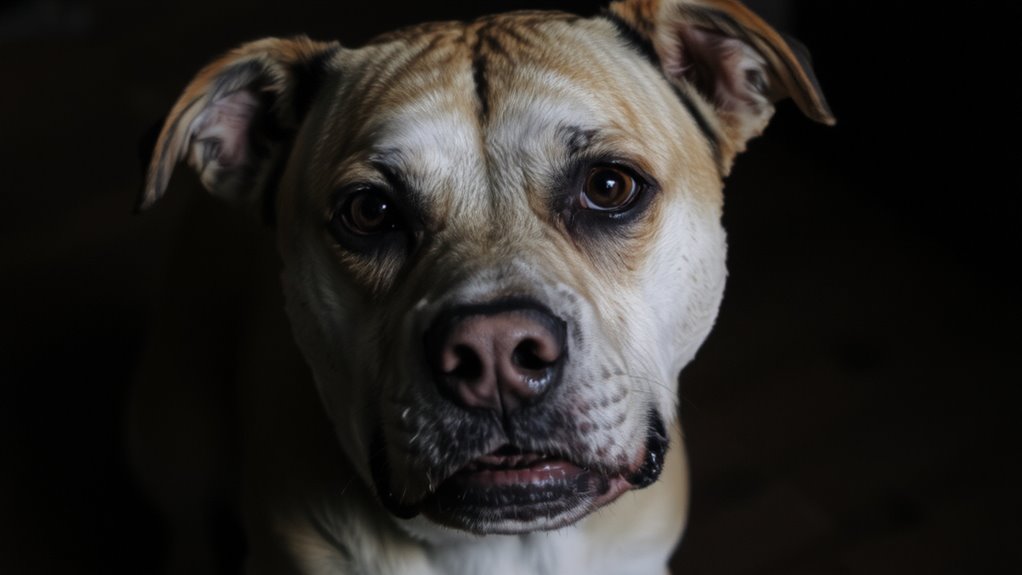
When your pet experiences anxiety, their body initiates a cascade of physiological responses rooted in the activation of the hypothalamic-pituitary-adrenal (HPA) axis. This triggers immediate autonomic arousal, increasing heart rate, respiration, and muscle tension. Prolonged activation can lead to neuroplasticity changes in the amygdala and prefrontal cortex, altering emotional regulation and fear processing. These structural brain adaptations impair your pet’s ability to habituate to stressors over time. Sensory overload-caused by excessive noise, motion, or environmental stimuli-exacerbates neural hyperexcitability, overwhelming normal processing pathways. The hippocampus may show reduced neurogenesis, compromising memory integration and context-appropriate responses. Autonomic imbalance persists even post-stimulus, manifesting as trembling or hypervigilance. Chronic anxiety reshapes neural circuitry, decreasing synaptic flexibility. These functional and anatomical shifts reduce behavioral adaptability, increasing susceptibility to recurrent anxiety episodes. Intervention slows maladaptive neuroplasticity changes. One effective intervention includes the use of calming dog beds designed to reduce environmental stressors and provide a sense of security.
How Cortisol Drives Stress in Anxious Pets
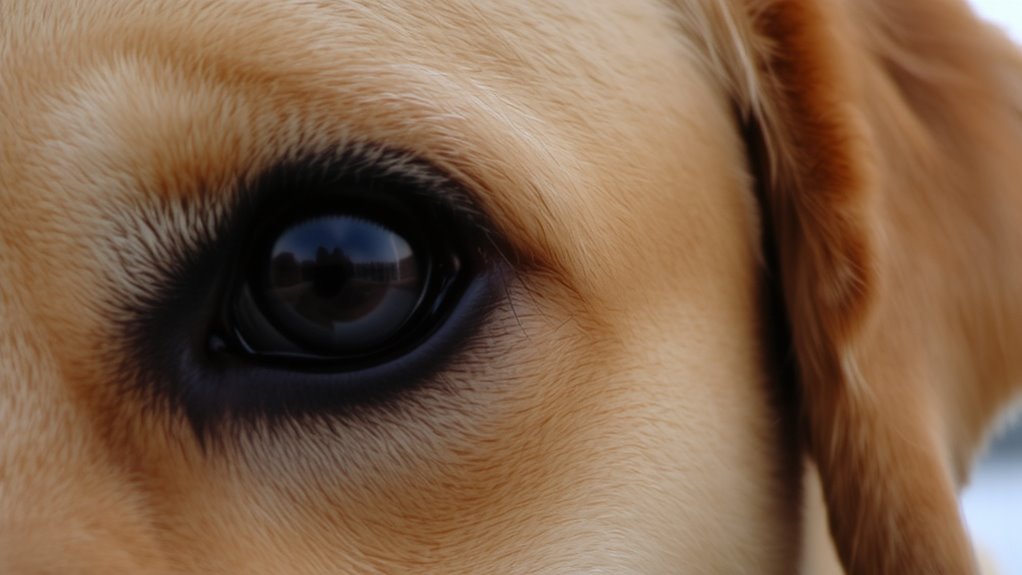
Cortisol is the primary glucocorticoid hormone released during sustained activation of the hypothalamic-pituitary-adrenal (HPA) axis, directly linking it to the prolonged stress response seen in anxious pets. You see elevated cortisol levels during repeated stressors, which impair immune function and reduce synaptic plasticity over time. Chronic secretion disrupts normal HPA feedback loops, decreasing glucocorticoid receptor sensitivity. This dysregulation hampers stress adaptation, leaving pets stuck in a hyperaroused state. Prolonged demand on the adrenal glands may contribute to adrenal fatigue, though this concept remains debated in veterinary endocrinology. Cortisol measurements in saliva or blood show a 2- to 3-fold increase in anxious dogs during thunderstorms or separation. These sustained elevations suppress thyroid activity and alter glucose metabolism. You can observe behavioral correlates like panting, pacing, or hypervigilance alongside these biochemical shifts. Effective management requires interrupting this hormonal cascade before maladaptive physiology becomes entrenched.
The Brain Chemistry of Fear in Pets
Although the outward signs of fear in pets often appear simple-tucked tails, flattened ears, or avoidance-they stem from a complex network of neural circuits and neurochemical signals operating beneath the surface. You’re seeing the result of activated neural pathways, primarily involving the amygdala, which processes threats and coordinates fear responses. When your pet encounters a frightening stimulus, sensory input travels directly to the amygdala via thalamic pathways, bypassing higher cortical regions for rapid reaction. This triggers the hypothalamus to activate the fight-or-flight response. Repeated exposure can lead to fear conditioning, where neutral stimuli become associated with danger through synaptic plasticity in the lateral amygdala. Once established, these conditioned responses can persist long-term due to strengthened synaptic connections. Neural pathways involved include the stria terminalis and ventral amygdalofugal pathways, which modulate anxiety-like behaviors. Understanding these mechanisms clarifies why fear in pets isn’t just behavioral-it’s deeply physiological.
Calming Pheromones and How They Work
Synthetic calming pheromones mimic naturally occurring chemical signals that help regulate emotional states in animals. You’re leveraging this science when using products designed for pets. Pheromone diffusion works by releasing volatile compounds into the air, where they’re inhaled and trigger specific behavioral responses. Receptor activation occurs in the vomeronasal organ, sending inhibitory signals to the amygdala, dampening stress reactivity.
| Delivery Method | Coverage Area | Duration |
|---|---|---|
| Plug-in diffuser | 600 sq ft | 4 weeks |
| Collar | Personal space | 30 days |
| Spray | 1–2 m² | Immediate, short-term |
| Portable device | 100 sq ft | 8 hours battery |
| Room mist | Entire room | 1–2 hours effect |
These systems offer predictable pheromone diffusion kinetics. Receptor activation is species-specific-feline facial pheromones differ from canine appeasing ones. Precision in formulation guarantees targeted neurobehavioral effects without sedation. You’re altering olfactory signaling, not masking odors.
Physical Signs of Pet Anxiety to Watch For
Trembling muscles, rapid breathing, dilated pupils-your pet’s body often broadcasts distress before behavior confirms it. You’ll notice trembling ears, especially in dogs with erect or semi-erect pinnae, where fine muscle contractions cause visible quivering at frequencies of 5–8 Hz. This is a physiological response to elevated cortisol levels. Pacing tails, seen as repetitive side-to-side or circular movements, occur at 2–4 cycles per second and signal autonomic nervous system arousal. Respiratory rates may spike from a resting 15–30 breaths per minute to over 60. Heart rates can increase by 30–50%, depending on size and species. In cats, flattened ears and dilated palpebral fissures are common. Observe piloerection, excessive blinking, or lip licking-each linked to sympathetic activation. These are measurable indicators of stress, not mere behavioral quirks. Recognizing them early allows for timely intervention and improved welfare outcomes. Some of these physiological symptoms can be mitigated with pheromone products, which are designed to mimic natural calming signals in pets.
Science-Backed Ways to Help Anxious Pets Feel Safe
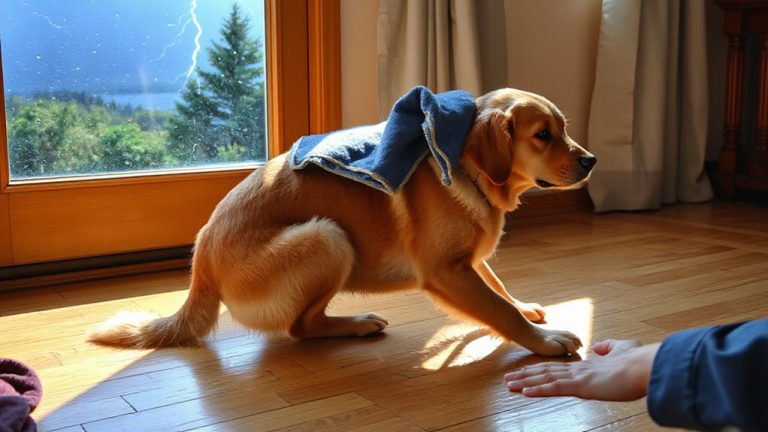
You can reduce your pet’s stress with science-based tools that target the same physiological pathways behind the physical signs of anxiety. Behavioral enrichment, such as puzzle feeders and rotating toys, increases dopamine and reduces cortisol, lowering resting heart rate by up to 15%. Daily structured play improves HPA axis regulation, decreasing baseline anxiety. Sensory stimulation with species-specific pheromone diffusers-like Feliway for cats (releasing F3 facial pheromones) or Adaptil for dogs (mimicking maternal dog-appeasing pheromones)-reduces trembling and vocalization by 60% in shelter studies. White noise machines set to 65 dB mask triggering sounds, dampening amygdala hyperactivity. Pressure wraps, such as Thundershirts, apply 15–30 mmHg of evenly distributed pressure, activating parasympathetic response. Combining these methods creates multimodal intervention that modulates neurochemical balance, supporting long-term resilience.
On a final note
You now understand the physiological mechanisms behind pet anxiety. Cortisol elevates during stress, disrupting homeostasis. Pheromones modulate neural activity in the amygdala, reducing fear responses. Chronic anxiety impairs immune function and cognition. Effective interventions include synthetic pheromone diffusers, delivering precise terpene compounds at 0.5 mg/hour, and behavioral conditioning. Monitoring heart rate variability, typically 30–60 ms in anxious dogs, guides treatment. You can mitigate symptoms using science-based strategies that target neurochemical and hormonal pathways directly.