Why Dogs With SIBO Need Antibiotics Plus Long-Term Probiotic Maintenance
Your dog needs antibiotics like metronidazole (10–15 mg/kg every 12 hours) to reduce harmful bacterial overgrowth in the small intestine, restoring normal gut function within 5–7 days. After treatment, long-term probiotics with at least 10 billion CFUs-especially spore-forming strains like *Bacillus coagulans*-recolonize the gut safely. These strains survive stomach acid and support lasting microbial balance. Fecal testing every 4–6 weeks confirms treatment success. A structured plan combining both therapies mirrors chronic disease management. The right protocol keeps inflammation low and gut integrity strong. Choose vet-approved, third-party tested products for reliable potency. With consistent monitoring, you can catch relapses early. There’s more to optimizing recovery through diet and follow-up care.
Notable Insights
- Antibiotics reduce harmful bacterial overgrowth in the small intestine, alleviating inflammation and restoring normal gut function.
- Probiotics replenish beneficial bacteria depleted by antibiotics, preventing dysbiosis and supporting gut microbiome balance.
- Long-term probiotic use strengthens intestinal barrier integrity and inhibits pathogen recolonization in SIBO-prone dogs.
- Continuous fecal monitoring and probiotic maintenance help detect and prevent asymptomatic relapses after antibiotic treatment.
- Combining antibiotics with sustained probiotic support mirrors chronic disease management, ensuring lasting gastrointestinal health.
Understand SIBO and How It Hurts Your Dog’s Gut
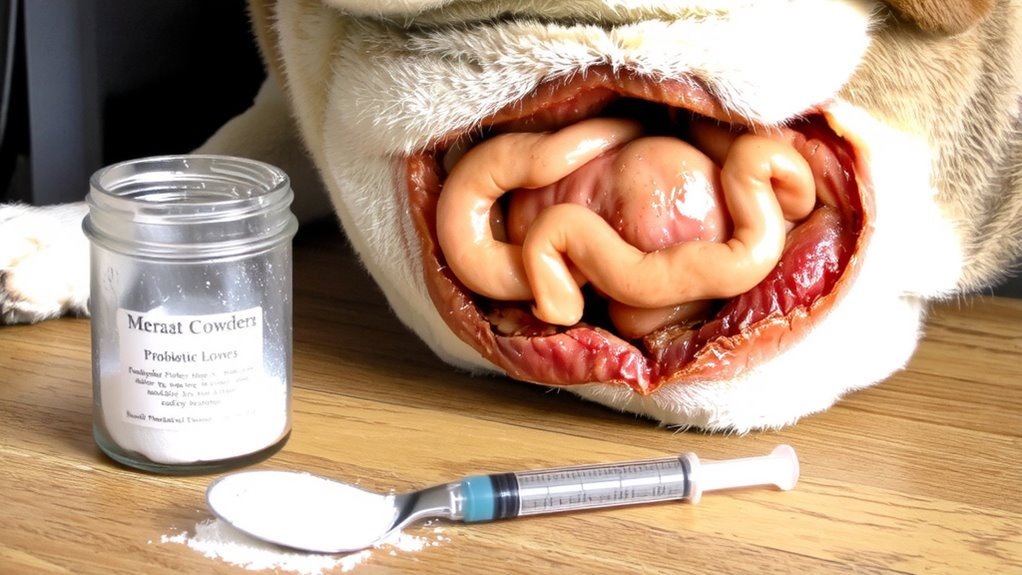
While your dog’s small intestine is meant to absorb nutrients, an overgrowth of bacteria can turn this essential organ into a source of chronic distress. This condition, known as small intestinal bacterial overgrowth (SIBO), disrupts normal digestion. Gut inflammation occurs as excess bacteria irritate the intestinal lining, damaging villi and microvilli. This structural damage reduces surface area for nutrient absorption. The result is nutrient malabsorption, leading to weight loss, diarrhea, and poor coat condition. Bacterial fermentation of undigested food produces gas and short-chain fatty acids, worsening inflammation. Immune activation intensifies mucosal permeability, perpetuating the cycle. SIBO commonly affects older dogs and breeds predisposed to gastrointestinal disorders. Diagnosis involves breath testing or intestinal biopsy. Left untreated, chronic malabsorption impairs organ function. Managing SIBO requires targeted intervention to restore microbial balance and repair intestinal integrity. Early recognition improves long-term outcomes. Incorporating specialized probiotics after antibiotic treatment supports the reestablishment of healthy gut flora, with top options including those formulated specifically for dogs with IBD, such as probiotics for dogs with IBD.
Use Antibiotics to Control Bacterial Overgrowth in Dogs
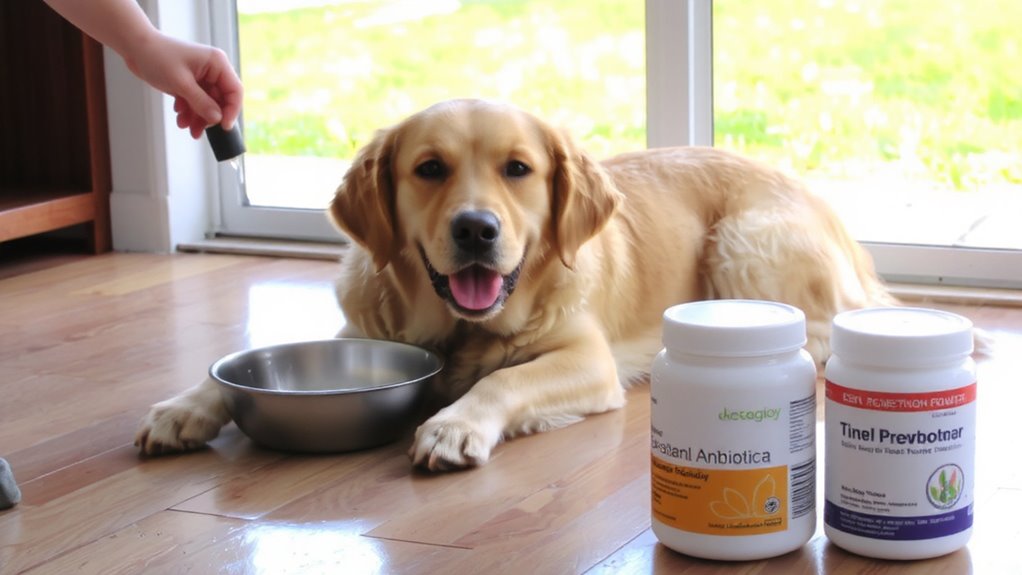
Your dog’s small intestine struggles to function when overrun by excessive bacteria, but antibiotics offer a direct solution to reduce this overgrowth. Antibiotics like tylosin or metronidazole disrupt bacterial replication, targeting pathogens contributing to gut inflammation. These medications reduce microbial load within 5–7 days, restoring nutrient absorption. However, improper dosing or prolonged use increases the risk of antibiotic resistance, making future treatments less effective. Veterinarians typically prescribe a 2–4 week course based on body weight-for example, metronidazole at 10–15 mg/kg every 12 hours. Effectiveness is monitored via symptom improvement and follow-up fecal testing. Early intervention minimizes mucosal damage and lowers systemic inflammation markers. While antibiotics act quickly, they don’t discriminate between harmful and beneficial bacteria. This disruption requires careful management post-treatment. Short-term use maximizes benefit while reducing complications. Always follow veterinary guidance to avoid treatment failure or resistance development.
Add Probiotics After Antibiotics to Restore Gut Health
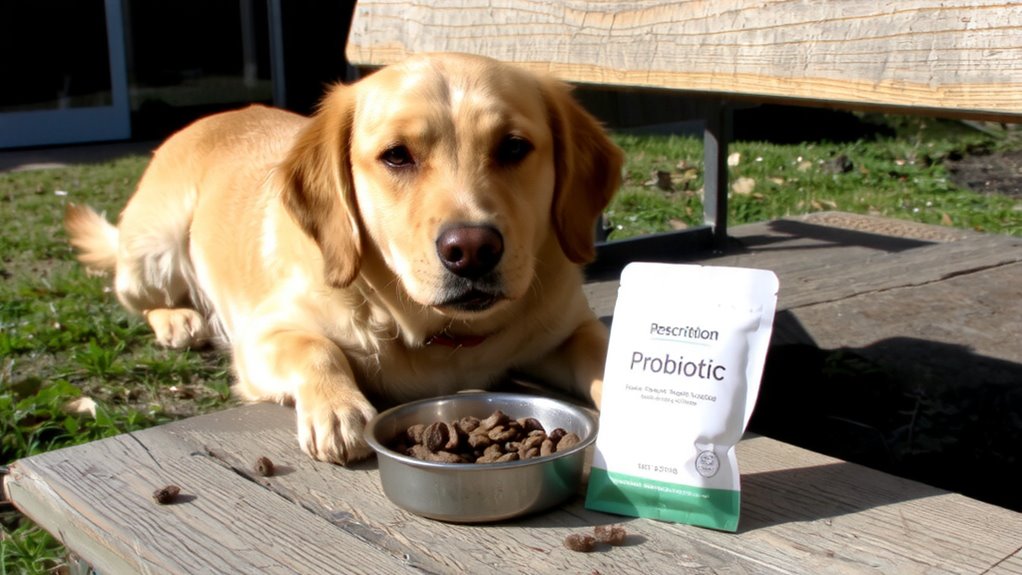
Most dogs need gut microbiome support after antibiotic treatment to reestablish digestive balance. Antibiotics reduce harmful bacteria but also deplete beneficial strains, disrupting microbial balance. You must replenish these microbes promptly to prevent dysbiosis. Probiotics aid in gut colonization by introducing live, beneficial bacteria like Lactobacillus and Bifidobacterium. These strains adhere to the intestinal lining, occupying space and limiting pathogen reattachment. Effective probiotics contain at least 10 billion CFUs per dose, ensuring sufficient organisms survive stomach acid. Delayed-release capsules improve viability. Daily administration for 4–6 weeks post-antibiotics supports stable recolonization. Consistent use helps normalize fermentation patterns and restores microbial balance. Think of it as repopulating a cleared field with desirable crops. You’re not just adding bacteria-you’re rebuilding an ecosystem. This step is essential for long-term digestive health in dogs with SIBO. A natural approach to gut health can complement medical treatments, including the use of best natural dog dewormers to support overall digestive wellness.
Choose the Best Probiotics for Dogs With SIBO
How do you guarantee the probiotic you choose actually supports your dog’s compromised gut? Opt for formulations with spore forming strains, like *Bacillus coagulans* and *Bacillus subtilis*, which survive stomach acid and germinate in the intestines. These spores protect the bacteria until they reach the small bowel, ensuring targeted delivery. Soil based supplements mimic ancestral microbial exposure, enhancing gut resilience. They’re stable without refrigeration and remain viable longer. Look for products containing at least 5 billion CFUs per dose, with clear strain identification on the label. Avoid multispecies blends with fragile lactic acid bacteria, which may overgrow in SIBO-prone guts. Instead, prioritize specific, research-backed spore forming strains shown to reduce intestinal inflammation and support mucosal repair. Consistent dosing supports sustained microbial balance. Quality matters-choose third-party tested brands with batch-verified potency. Your dog’s gut demands precision, not guesswork. For dogs with yeast and allergies, consider probiotics that include antifungal and immune-modulating strains such as Best Probiotics for Dogs With Yeast & Allergies.
Spot Early Signs of SIBO Improvement or Relapse
What changes should you watch for to know whether your dog’s SIBO treatment is working or if a setback is looming? Symptom tracking is essential. You’ll want to monitor appetite, energy levels, and bloating daily. Improvement typically appears as consistent weight gain and reduced flatulence within two to three weeks of starting antibiotics. Relapse signs include recurrent diarrhea or lethargy. Stool analysis provides objective data-look for decreased fat content and normalized consistency on a 1–7 Bristol scale. A return to greasy, foul-smelling feces suggests malabsorption and possible bacterial regrowth. Keep a detailed log to identify patterns and time interventions accurately. Early detection through these methods allows timely adjustment of probiotic dosage or antibiotic retreatment. Consistency in monitoring guarantees long-term management success.
Feed the Right Diet to Prevent SIBO in Dogs
A balanced diet acts as your dog’s first line of defense against SIBO. It supports gut balance by limiting fermentable substrates that fuel bacterial overgrowth. Choose low-fermentable, easily digestible foods with moderate protein and fat. Dietary fiber plays a dual role-soluble fiber can nourish beneficial microbes, but excessive amounts may worsen fermentation. Opt for controlled fiber levels (2–4% dry matter) from low-FODMAP sources like psyllium. Avoid high-residue grains and legumes. A hydrolyzed protein diet reduces antigenic load, improving intestinal healing. Feed smaller, frequent meals to minimize gut stasis. Eliminate table scraps and high-fat treats. Consistent meal timing supports motility and stabilizes microbial populations. Proper nutrition maintains microbiome diversity while preventing pathogenic overgrowth. You’re not just feeding your dog-you’re engineering gut conditions that resist SIBO recurrence. Precision in diet equals prevention.
Monitor Progress With Your Veterinarian
Why does your dog’s recovery depend on more than just medication? Because SIBO can recur without proper monitoring. Regular checkups let your veterinarian assess clinical signs and adjust treatment. These visits typically include physical exams and might involve blood panels to evaluate nutrient absorption. Fecal testing is essential-it detects bacterial overgrowth and checks for pathogens or imbalances. Quantitative fecal PCR tests offer precise microbial profiles, guiding antibiotic or probiotic changes. Without fecal testing, you’re relying on guesswork. Your vet may recommend breath testing in some cases, though it’s less common. Recheck exams every 4–6 weeks during initial treatment guarantee progress. Long-term management includes periodic fecal testing, even when symptoms resolve. This proactive approach prevents relapse. Think of it like monitoring blood pressure-it’s unseen, but critical. Regular checkups and fecal testing aren’t optional-they’re central to lasting recovery.
On a final note
You must treat canine SIBO aggressively yet strategically. Antibiotics like tylosin or metronidazole reduce bacterial overgrowth in the small intestine, typically dosed at 10–25 mg/kg twice daily for 4–8 weeks. Yet they disrupt microbial balance. That’s why long-term probiotic supplementation-using strains like *Lactobacillus acidophilus* and *Bifidobacterium animalis* at ≥5 billion CFUs daily-is essential. It restores gut flora, supports barrier function, and prevents relapse. Monitor via clinical signs and vet-guided follow-up.