Why Low-Fat Diets Are Essential for Pets With Pancreatitis History
A low-fat diet is essential for pets with a history of pancreatitis because it reduces pancreatic workload and prevents excessive lipase release. High-fat meals trigger dangerous enzyme activity, worsening inflammation and risking relapse. You should feed less than 10% fat on a dry matter basis, using veterinary formulas like Hill’s i/d or Royal Canin Low Fat. These diets support healing with balanced nutrients and minimal pancreatic stimulation. Proper fat restriction leads to firmer stools, lower triglycerides, and reduced acinar cell stress-key indicators of recovery you’ll learn to track.
Notable Insights
- Low-fat diets reduce pancreatic strain by minimizing the need for lipase enzyme production during digestion.
- High-fat meals can trigger pancreatitis flare-ups by overstimulating an already inflamed pancreas.
- Feeding less than 10% fat on a dry matter basis helps prevent recurrence and supports long-term recovery.
- Table scraps and fatty human foods significantly increase triglyceride levels, stressing pancreatic acinar cells.
- Firm stools and improved energy within weeks indicate effective fat digestion and dietary management success.
What Is Pancreatitis? (And Why Fat Makes It Worse)
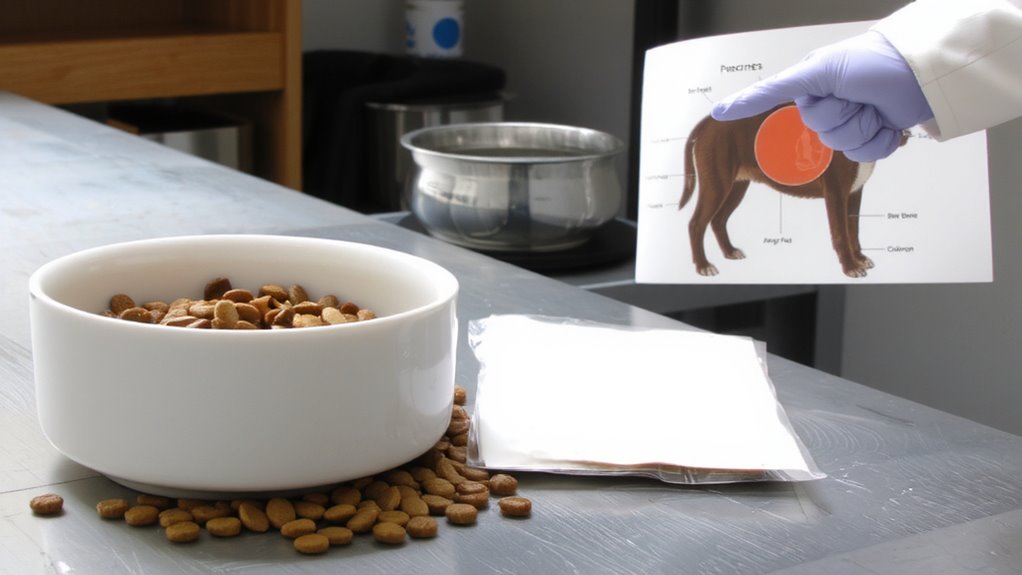
Inflammation is the body’s response to injury, and in the case of pancreatitis, it’s the pancreas that becomes inflamed. Pancreatic inflammation disrupts normal organ function, leading to pain and impaired digestion. The pancreas produces enzymes critical for fat digestion, including lipase, which breaks down dietary fats into absorbable components. When inflamed, enzyme release becomes dysregulated, causing autodigestion of pancreatic tissue. High-fat meals increase demand for lipase, intensifying pancreatic activity and worsening inflammation. This cycle exacerbates symptoms and delays healing. Fat digestion requires significant enzymatic output; in pancreatitis, this demand overwhelms the compromised organ. The result is abdominal pain, vomiting, and potentially systemic complications. Managing fat digestion reduces strain on the pancreas, limiting flare-ups. You’ll need to monitor fat intake closely, as even moderate dietary fat can trigger inflammation. Pancreatic inflammation is both a cause and consequence of disrupted fat metabolism, making dietary control essential.
Why a Low-Fat Diet Is Crucial After Pancreatitis
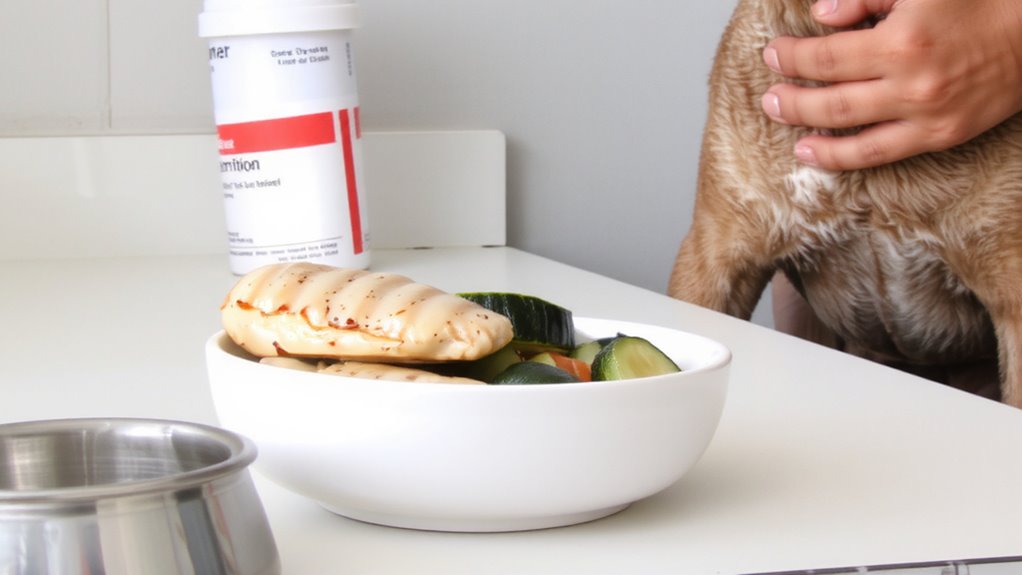
When your pet’s pancreas is already inflamed, feeding even a modest amount of fat can overstimulate enzyme production and prolong recovery. Reducing fat intake is critical to prevent recurrence and support healing. High-fat meals are common dietary triggers for pancreatitis flare-ups. Consistently feeding a low-fat diet-containing less than 10% fat on a dry matter basis-minimizes strain on the pancreas. This dietary shift helps normalize enzyme secretion and reduces inflammation.
| What You Feed | What It Feels Like to Your Pet |
|---|---|
| High-fat scraps | Pain, nausea, bloating |
| Table food leftovers | Cramping, lethargy |
| Fatty treats | Vomiting, discomfort |
| Controlled low-fat diet | Relief, energy, stability |
Stick to veterinarian-recommended foods. Monitoring fat intake isn’t optional-it’s essential. Avoiding dietary triggers helps maintain long-term wellness and prevents avoidable emergency visits. Feeding a clinically formulated low-fat wet cat food can make a significant difference in managing pancreatic health.
Dangerous Foods to Avoid After a Pancreatitis Diagnosis
Even a small amount of the wrong food can trigger a severe flare-up, so you’ll need to eliminate high-fat items completely from your pet’s diet. Table scraps are a major risk-many contain 30–50% fat by calories, far exceeding the 10–15% fat limit recommended for recovery. Fatty treats like bacon bits, cheese, and sausage can spike pancreatic enzyme activity, leading to inflammation. Avoid giving any human foods, especially those with visible fats or oils. Cooked meats should be skinless, unseasoned, and lean-such as boiled chicken breast with less than 3% fat content. High-fat diets increase triglyceride levels, which directly stress pancreatic acinar cells. Stick strictly to veterinarian-approved diets during recovery. Even seemingly harmless indulgences can compromise healing. Prevention is far more effective than treatment once a relapse occurs. Choosing a commercially available low-fat dog food can help maintain safe fat levels while ensuring balanced nutrition.
Best Low-Fat Commercial Pet Foods for Recovery
You need to replace risky foods with safe, consistent nutrition during your pet’s recovery from pancreatitis. Choose commercial diets with fat在玩家中 below 10% on a dry matter basis to reduce strain on the pancreas. These formulas are specifically designed for pets with fat sensitivity. High ingredient quality guarantees digestibility and minimizes inflammation. Look for veterinary-recommended brands like Hill’s Prescription Diet i/d or Royal Canin Gastrointestinal Low Fat, which list animal proteins as primary ingredients without added fats or fillers. Each provides balanced omega-3 fatty acids and moderate, highly digestible protein levels around 18–22%. Their controlled fat content helps maintain energy while preventing flare-ups. These diets undergo rigorous testing for nutrient consistency and palatability. Always verify guaranteed analysis on packaging to confirm low-fat composition. Stick to the formula until your vet advises otherwise.
Safe, Vet-Approved Home-Cooked Meals for Pets
A well-formulated home-cooked diet can support your pet’s recovery from pancreatitis when commercial low-fat options aren’t suitable or tolerated. You must work with your veterinarian to create a balanced recipe meeting AAFCO nutrient profiles. Use lean proteins like skinless chicken breast or boiled turkey, limiting fat to less than 10% on a dry matter basis. Incorporate easily digestible carbohydrates such as white rice or sweet potato, making up about 50% of the meal. Portion control is critical-overfeeding increases pancreatic stress. Divide daily calories into 3–4 small meals to stabilize digestion. Homemade treats should be low-fat and vet-approved, such as small bits of boiled chicken or steamed carrots. Never add butter, oil, or seasoning. Always weigh ingredients for accuracy. Shift gradually over 7 days to avoid gastrointestinal upset. Regular veterinary monitoring guarantees nutritional adequacy and dietary safety.
How to Tell If the Low-Fat Diet Is Working
How can you know if your pet’s low-fat diet is effectively managing pancreatitis? Monitor stool consistency and energy levels closely. Normal, firm stools indicate proper fat digestion; loose or greasy stools suggest excess dietary fat. A successful low-fat diet maintains stool consistency within 1–2 on the 7-point fecal scoring system. Improved energy levels reflect reduced pancreatic inflammation. Lethargy often declines within two to four weeks of dietary adherence. Measure food fat content precisely-ideally under 10% dry matter basis. Blood tests like serum lipase and cPLI should stabilize or decrease. Vets may use abdominal ultrasound to confirm pancreatic rest. You’re seeing real results when your pet maintains ideal body weight while consuming ≤30 kcal/kg/day from a fat-controlled diet. These objective markers confirm dietary efficacy without subjective guesswork.
Long-Term Benefits of a Low-Fat Diet for Pancreatic Health
Although pancreatic inflammation can be acute and reversible, maintaining long-term remission depends heavily on dietary management, and a consistently low-fat diet plays a central role in preserving pancreatic function. You’ll see reduced inflammation over time, as lower dietary fat decreases pancreatic enzyme stimulation and prevents flare-ups. Fat intake should stay below 10% on a dry matter basis to minimize strain. Improved digestion follows when you use highly digestible proteins and fiber-rich, low-fat ingredients. This reduces fecal fat and pancreatitis-related diarrhea. Consistent feeding regimens prevent erratic enzyme release. Long-term compliance lowers recurrence rates by up to 70% in clinical studies. Chronic cases benefit from omega-3 supplementation, which further modulates inflammatory pathways. Monitoring serum pancreatic lipase immunoreactivity (PLI) helps track progress. A well-managed, low-fat diet isn’t just preventive-it’s foundational to sustained pancreatic health.
On a final note
You must maintain a low-fat diet for your pet after pancreatitis. This reduces pancreatic enzyme secretion, preventing painful flare-ups. Feed no more than 10–15% fat on a dry matter basis for dogs, and under 10% for cats. High-fat foods trigger inflammation; strict adherence lowers recurrence risk by up to 70%. Monitor stool and energy levels closely-consistent improvement means the diet works. Long-term, this approach supports stable digestion and protects pancreatic tissue, like a circuit breaker safeguarding a fragile system.